


 EN
EN ES
ES FR
FRTraveling through the Inca Trail is a remarkable adventure. Proper preparation is key to enjoying this majestic trek. Here’s what you need to pack in our Inca Trail packing list.
This list covers the absolute essentials. Each item is crucial for the varying conditions on the trail. Ensure you have all of these things in your backpack in order to make your trek as successful as possible.
From appropriate clothing to necessary gear, we detail it all. Keep reading to make your journey comfortable and memorable. Let’s dive into your essential Inca Trail packing list.
Essential Inca Trail Packing List
Clothing and Footwear
- Breathable Base Layers – Choose moisture-wicking fabrics for comfort.
- Insulating Layers – Pack fleece or wool layers for cool temperatures.
- Waterproof Jacket – Essential for sudden downpours
- Hiking Pants – Convertible pants are useful for changing temperatures.
- Hiking Boots – Ensure they are well-broken-in to avoid blisters.
- Hiking Socks – Wool or synthetic socks to keep feet dry and blister-free.
- Sun Hat and Beanie – Protect from sun and cold.
- Gloves – Lightweight and waterproof options are best.
Backpack and Trekking Gear
- Backpack (30-40 liters) or day pack – With a rain cover for wet weather.
- Sleeping Bag – Suitable for temperatures down to at least 0°C (32°F).
- Trekking Poles – Adjustable and with comfortable grips.
- Headlamp – Plus extra batteries for early starts or late finishes
Accessories and Equipment
- Water Bottles or Hydration System – At least 2 liters capacity.
- High-Energy Snacks – Nuts, dried fruit, and energy bars.
- First-Aid Kit – Include altitude sickness medication and blister care.
- Sunscreen and Lip Balm – High SPF to protect against intense sun.
- Insect Repellent – Especially during the rainy season.
- Sunglasses – UV-protection is crucial at high altitudes.
- Personal Hygiene Items – Biodegradable soap, toothbrush, and toothpaste.
- Camera or Smartphone – With extra memory cards and batteries.
- Rain Poncho or rain jacket – Quick cover for sudden showers.
Documents and Miscellaneous
- Passport – Essential for entering Machu Picchu.
- Trail Permits – Must be arranged in advance.
- Insurance Details – Ensure it covers high-altitude trekking.
- Cash – For tips and small purchases along the way.
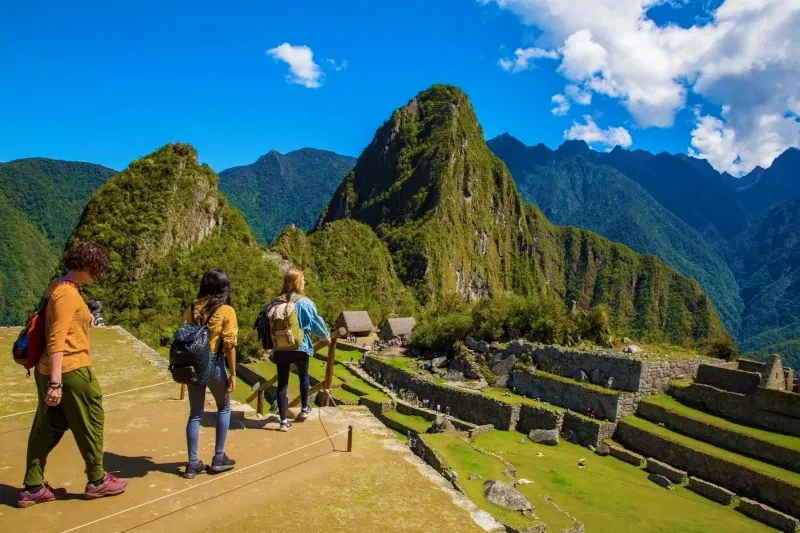
Gear Up: Essential Clothing and Footwear for the Inca Trail
When planning your Inca Trail packing list, clothing choices top the list. The unpredictable weather demands strategic layering. Start with moisture-wicking, long-sleeved base layers.
These long sleeve shirts keep you dry and comfortable. They serve as your first defense against the elements. Opt for materials that offer quick-drying properties.
Over your base, add a mid-layer such as a fleece jacket. This layer provides essential insulation on cooler days. It’s lightweight and packs easily, making it ideal for hiking the Inca Trail.
Next, a reliable waterproof jacket is non-negotiable. It shields you from rain and wind, crucial during the dry season or unexpected showers. Always choose a jacket with breathable fabric to prevent overheating.
Protective Accessories for All Conditions
For your lower body, select hiking pants that convert to shorts. These are versatile for both warm and cooler weather. Ensure they have pockets for easy access to essentials like toilet paper.
Your footwear is perhaps the most critical part of your Inca Trail packing list. Shoes must provide robust ankle support and be well-broken-in. Blisters can turn an amazing Inca Trail hike into a painful ordeal.
Pair your boots with hiking socks that cushion and protect. Look for options that blend synthetic materials for durability and wool for comfort. These socks also prevent moisture buildup, keeping feet dry and blister-free.
Ensuring Comfort Every Step of the Way
As you prepare for the Inca Trail, remember that comfort leads to enjoyment. Choose each piece of clothing with care. It can make a significant difference in your hiking experience.
Always test your hiking attire on shorter treks before the Inca Trail hike. This approach helps you adjust to your gear’s fit and function. It also gives you time to make any necessary changes.
Additionally, consider the season you plan to hike the Inca Trail. Layering for the dry season differs from the wet season’s demands. Each requires specific strategies to maintain comfort.
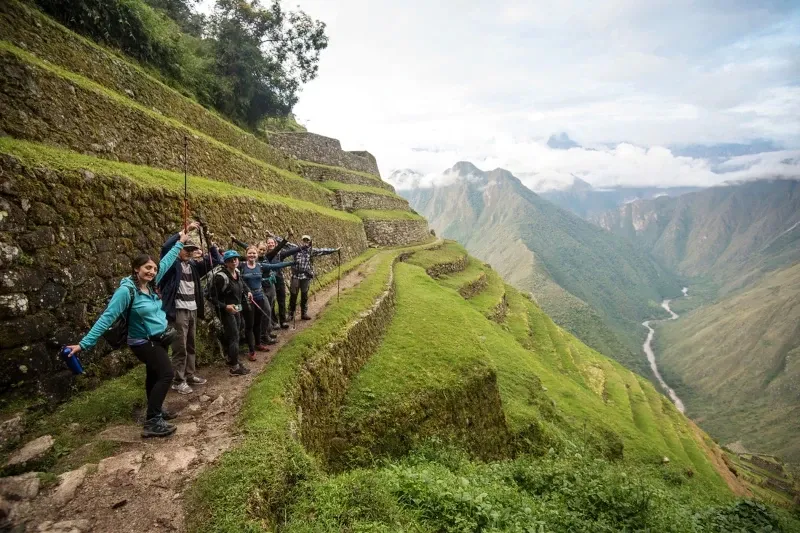
Choosing the Right Gear for Success
Incorporating the right gear into your Inca Trail packing list is essential. It supports your endurance on this challenging trek. Proper clothing and footwear are the foundation of a successful hike.
When selecting your footwear, emphasize ankle support and grip. The Inca Trail’s terrain is rugged and often slippery. Your boots should tackle these challenges efficiently.
Your Inca Trail packing list should also include accessories like gaiters. They keep debris out of your boots and protect your legs. They’re especially useful in muddy conditions or when crossing small streams.
Tips Before You Trek
Recheck your Inca Trail packing list before you depart. Make sure you have included all essential items. Remember, the right gear can enhance your hiking experience.
Avoid the common mistake of overpacking. Keep your backpack as light as possible without sacrificing essentials. Your shoulders and back will thank you after four days on the trail.
Eenjoy every moment of your adventure. The Inca Trail offers breathtaking views and unique cultural encounters. Proper preparation allows you to fully engage with this once-in-a-lifetime experience.
Must-Have Accessories and Equipment for a Smooth Trek
Taking the Inca Trail requires more than just stamina and enthusiasm. A comprehensive Inca Trail packing list enhances your journey significantly. This list should always include essential accessories and equipment that ensure a smooth trek.
A hydration system, preferably a hands-free one, is a must. It allows you to drink water without stopping or using your hands. This setup is vital for maintaining hydration while keeping pace with your group.
Next, a sturdy day pack is crucial for carrying your daily essentials. Choose one with multiple compartments for easy organization. It should be lightweight yet durable enough to withstand the harsh elements of the trail.
A high-quality rain jacket should also find a place in your day pack. It’s indispensable for staying dry during unexpected downpours. Ensure it is breathable to avoid sweating excessively underneath.
Practical Gear for the Long Haul
In addition to clothing, other practical items are essential for the Inca Trail. A headlamp with extra batteries becomes invaluable, especially during early morning starts or late evening treks. This item ensures you navigate safely in the dark.
Pack a multi-tool or a Swiss Army knife for general use. It comes in handy for gear repairs, meal prep, or any unexpected needs. Always check local laws about carrying such items to ensure compliance.
Don’t forget to include a map and compass in your Inca Trail packing list. Even if you are with a guide, having these can provide additional security. They help you stay oriented and can be crucial in an emergency.
Essentials for Comfort and Safety
Personal care items also deserve attention on your Inca Trail packing list. Pack biodegradable wipes and hand sanitizer for maintaining hygiene. These items are especially important in areas where water is scarce.
Insect repellent is another crucial accessory. It protects against mosquitoes that can be not only annoying but also carry diseases. Choose a formula suitable for the altitude and natural environment.
A first-aid kit tailored to your personal medical needs is imperative. Include items like bandages, antiseptic, pain relievers, and any prescription medications. This kit can address minor injuries or ailments on the trail.
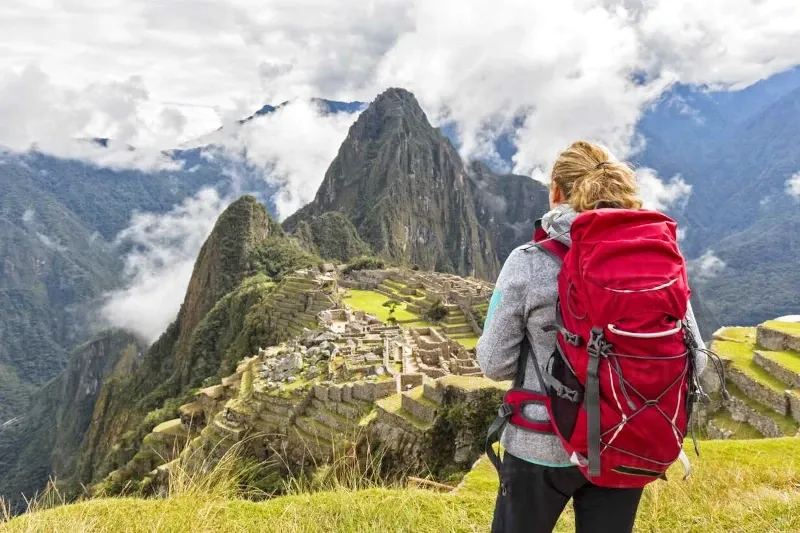
Smart Packing Solutions
Consider packing your belongings in duffel bags for easy transport to the trailhead. Duffel bags are flexible, making them easier to fit into the transport provided by most tour companies. However, ensure your duffel is sturdy and water-resistant.
A waterproof cover for your backpack is essential, not just your rain jacket. This cover protects your gear from getting wet and can save your electronics and clothes in heavy rain. It’s a simple, lightweight addition that can prevent many inconveniences.
Space-saving packing cubes are another smart addition. They help organize your belongings within your backpack or duffel bag. This organization can save you time and frustration when searching for items during the hike.
Considerations for the Trail
Always double-check your Inca Trail packing list before departure. This ensures you have all essentials for the conditions you will face. Missing a key item can significantly impact your trek’s comfort and safety.
Remember, the right accessories and equipment can make a significant difference in your hiking experience. They contribute not only to your comfort but also to your ability to face the trail’s challenges confidently.
Ultimately, the beauty and challenge of the Inca Trail are best enjoyed when you are well-prepared. With the right gear, you’re set for an unforgettable adventure that will be both safe and enjoyable.
How the porter weight allowance works
On the classic four-day route you do not carry everything. Porters carry a duffel with your personal gear, and that duffel has a weight limit set by the operator, commonly around seven kilos including sleeping bag and mat.
Anything beyond that limit either stays in Cusco or requires hiring an extra porter, which is normally possible if arranged before departure.
You still carry a daypack yourself: water, rain layer, snacks, camera, documents and anything you want during the walking hours, since the duffel travels ahead with the porters.
Weigh your duffel at the hotel before the briefing. It is far easier to leave things behind the night before than at the trailhead.
What to rent instead of buying
Sleeping bags, mats and trekking poles are all available to rent in Cusco, usually through the operator, and renting is the sensible option if you fly home straight after the trek.
Check the rating on a rented sleeping bag rather than trusting the label: the second night on the classic route is the cold one, and an underrated bag ruins it.
Boots are the exception. Never rent or buy them at the last minute; they need to be broken in well before you arrive.
Trekking poles must have rubber tips to be allowed on the trail, so confirm that whatever you rent comes with them fitted.
Packing for the two-day Short Inca Trail
The short route changes the list considerably. There is no camping, so no sleeping bag, no mat and no duffel: you sleep in a hotel in Aguas Calientes.
That means one daypack for the whole trek, with rain gear, water, sun protection, snacks and a change of clothes for the evening.
Everything else stays in your Cusco hotel or goes with the group transport, which makes the short route noticeably simpler to organise.
The passport requirement does not change: you need it at the control point and again at Machu Picchu.
A final check before you leave Cusco
Passport in hand, not in the duffel. Permits are issued against the passport number and checked at the entrance to the trail.
Cash in small notes for tipping the crew, since there are no cash machines after Km 82.
Any personal medication in the daypack rather than the duffel, along with a basic blister kit.
Rain cover fitted to the daypack before day one, whatever the forecast says. Afternoon showers are possible in every season.