

 EN
 ES
 FR
Let yourselves be fascinated by the dazzling diamonds of Ausangate.
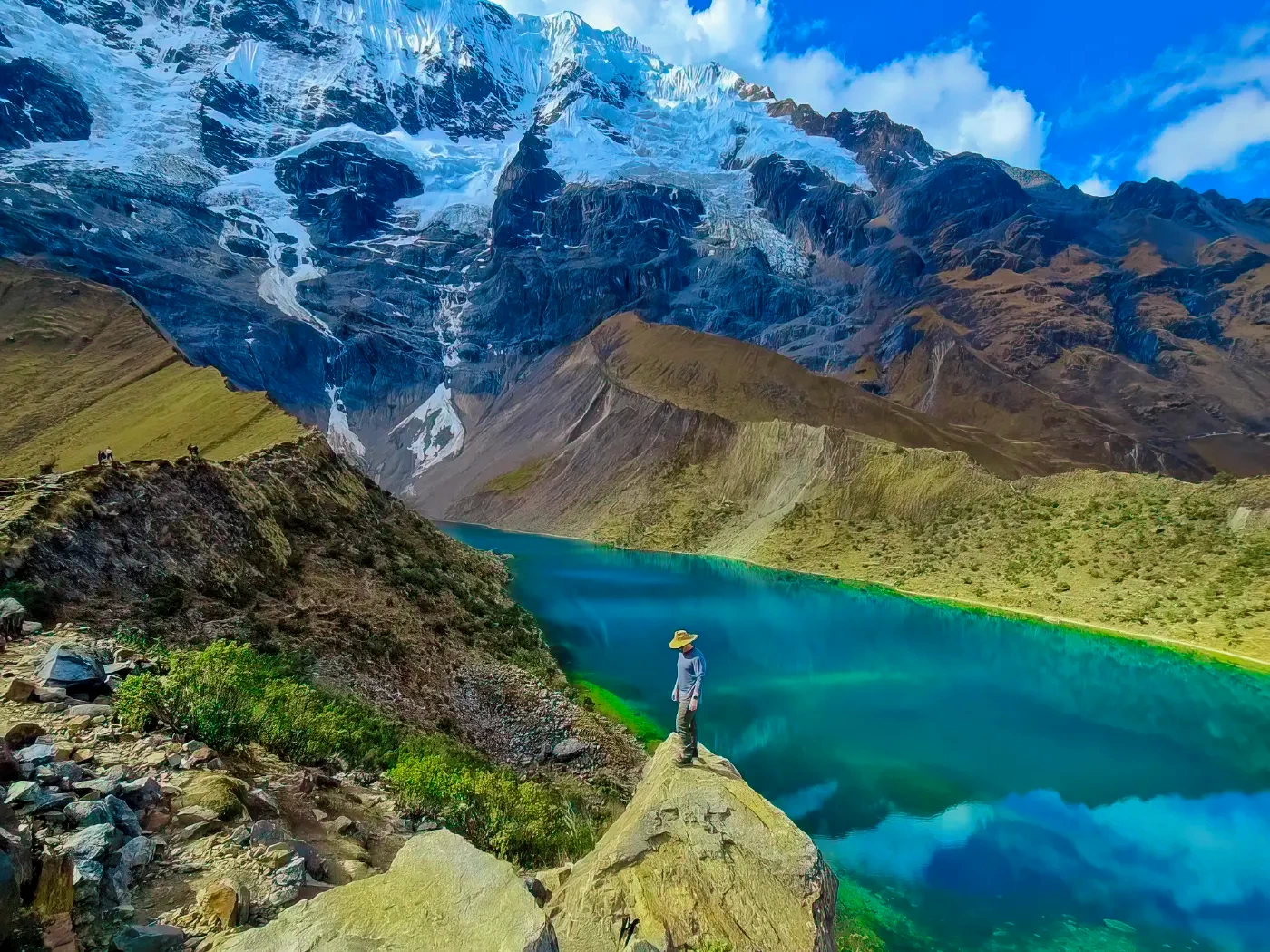
The 7 Lakes of Ausangate trek is one of the most magnificent in the Vilcanota Mountain Range, exploring one of Peru’s highest mountains, the towering Ausangate. This fascinating day trip from Cusco will take you through the most spectacular and pristine Andean environment, as well as hiking though a stunning location surrounded by beautiful multi-colored lakes.
Along the way, you’ll come across native villages and learn about their daily cultural practices and customs. Take a peaceful soak in Pacchanta’s hot springs and eat a traditional meal made by a local family who will welcome you into their house. Come join us and enjoy Peru’s beauty firsthand.
Overview – Seven Lakes Surrounded by Ausangate’s Mountain Landscape
The Ausangate 7 Lakes Tour (Ausangate Siete Lagunas) is one of the most breathtaking, scenic, and culturally rich full-day trekking experiences departing from Cusco, Peru. Situated at the foot of the majestic Ausangate Mountain—the sacred Apu (tutelar peak) of the region—this high-altitude adventure combines high-Andean wilderness, glacier-fed turquoise lagoons, living Quechua culture, and relaxing natural hot springs.
Seven Lakes Ausangate Full day Tour
Route Summary and Itinerary
Initial journey from Cusco: The trip begins early in the morning, heading south along the Interoceanic Highway. Along the way, you will pass through traditional Andean villages where the local inhabitants still wear their traditional attire. A stop is made in the picturesque town of Ccatca to stretch your legs before continuing further along the route.
The Pacchanta Community (4,100 meters above sea level): This serves as the base camp and the starting and ending point for the trek. Here, local families welcome travelers with a hearty Andean breakfast before the hike begins, and they prepare a homemade lunch for your return. The area is also home to the famous Pacchanta thermal baths—perfect for relaxing your muscles after the physical exertion.
The Glacial Lagoon Circuit: At the foot of the majestic, snow-capped Ausangate—a sacred mountain, or *Apu* (tutelary deity) of the region, which rises to over 6,300 meters—and the Callangate glacier, lies a high-mountain route that winds among glacial-fed lagoons with surreal, vibrant colors:
- Comercocha ("Green Lake"): Known for its highly photogenic greenish hues at the start of the circuit.
- Alqacocha ("Two-Colored Lake"): Features striking contrasts of turquoise and emerald.
- Patacocha: A cluster of high-altitude lagoons situated near the summit.
- China Otorongo and Orco Otorongo (the "Female" and "Male" Jaguar): These lagoons symbolize duality and balance within the Andean worldview; they are notable for their mottled appearance and are located at an altitude of over 4,500 meters.
- Azulcocha: Renowned for its flashes of intense sapphire blue that reflect the Andean sky. (It is often combined with or complemented by Pucacocha, which has reddish hues due to its minerals.)
Quick Tour Facts
- Location: Vilcanota Mountain Range, Quispicanchi Province, Cusco region.
- Duration: Full-day (typically starts with an early morning pickup around 4:00 AM–5:00 AM and returns to Cusco by 6:00 PM–7:00 PM).
- Maximum Altitude: ~4,590 to 4,850 meters / 15,059 to 15,900 feet (at high viewpoints like Ninaparayoc).
- Base Camp / Trailhead: Pacchanta Community (4,100 m / 13,451 ft).
- Trekking Distance: Approximately 10–14 km (6–8.5 miles) total circuit.
- Hiking Time: Around 3.5 to 5 hours depending on pace and group fitness.
- Difficulty Level: Moderate to Challenging (primarily due to the extreme altitude rather than steep technical terrain).
Note: Mandatory acclimatization: Since the majority of the route takes place above 4,500 meters, it is strongly recommended to spend at least 2 or 3 days beforehand in the city of Cusco (or areas at a similar altitude) to avoid *soroche* (altitude sickness).
Itinerary – A Full Day Exploring Ausangate’s Seven Lakes
Ccatca – Pacchanta – Comercocha – Azulcocha – Return to Cusco
Your unforgettable Ausangate 7 Lakes Full Day Tour begins with an early morning pickup from your hotel in Cusco. As we head south on the Interoceanic Highway toward the high Andes, we’ll pass through charming Andean villages, where locals proudly wear their vibrant, traditional attire — a living celebration of Quechua culture.
Our first stop is the quaint town of Ccatca, where we’ll stretch our legs and stroll through its picturesque plaza and streets. Then, we continue toward Pacchanta community, located at a breathtaking altitude of 4,100 meters (13,451 ft). Upon arrival, a warm local family will greet us with a traditional Andean breakfast made from locally sourced ingredients, giving us the perfect energy boost for the hike ahead.
After breakfast, our journey to the Vilcanota Mountain Range begins. Towering in the distance, the majestic Ausangate Glacier comes into view — a sacred peak and one of the most stunning in the Andes. The glacier’s melting snow feeds the colorful high-altitude lakes that we will explore today.
We’ll begin our uphill hike of approximately 3.5 hours to the panoramic Ninaparayoc Viewpoint. Along the trail, we’ll pass several shimmering lakes, each with its own story and significance. Among them are:
- Comercocha: Known as the “Green Lake” in Quechua, this enchanting body of water is one of the first scenic gems on the hike — an ideal photo opportunity.
- Alqacocha: Translating to “Two-Colored Lake,” these twin lakes offer stunning contrasts of turquoise and emerald hues at the base of the Callangate Glacier.
- Patacocha: This group of three lakes is named “Lake at the Peak” due to their high elevation and panoramic setting.
- China Otorongo: A spiritually significant lake for locals, its name means “Female Jaguar,” inspired by the spotted tones of its waters.
- Orco Otorongo: Located at 4,590 meters (15,059 ft), this “Male Jaguar” lake represents duality and balance in Andean cosmology.
- Azulcocha: As its name suggests, this “Blue Lake” will mesmerize you with its vivid sapphire tones that reflect the highland sky.
As we descend, we’ll take time to soak in the serenity of each lagoon and enjoy the tranquility of nature at high elevation. The fresh mountain air and surreal alpine scenery create the perfect atmosphere for reflection and unforgettable photos.
Back in Pacchanta, a delicious homemade lunch prepared by our host family awaits. Afterward, you’ll have the option to relax your muscles in the Pacchanta hot springs, surrounded by spectacular mountain views — a perfect ending to this adventure.
Finally, we’ll board our private transport for the return trip to Cusco, arriving in the early evening with our hearts full and memory cards packed with epic shots of one of the most scenic treks in Peru.
Inclusions – Everything Arranged for a Smooth High-Andes Day
Includes:
- Breakfast & lunch
- Permits & Entrance Tickets
- High quality service & safety
- Pre-departure briefing
- Bilingual guide (Spanish - English)
- First-aid kit and oxygen bottle
Excludes:
- Dinner
- Travel insurance
- Tips
Packing List – Essentials for a High-Altitude Day Trip
What Do I Need To Bring?
- Clothing for both warm and cold climates
- Sun hat to protect neck and face (01)
- Woolly hat for the cold (01)
- Fleece jacket (01)
- Hard shell jacket (01)
- Under wears (04)
- Trekking shoes/boots (01)
- Woolen/synthetic socks (04)
- Flashlight or Headlamp (02)
- Water bottle or camel back (01)
- Trekking towels (01)
- Toilet paper (01)
- Sunscreen with UV protecction, insect repellent, toilet paper, hand cleaner/disinfecting alcohol gel
- Camera (with rain protection), a flash light/headlamp and extra batteries
- Snacks (e.g. chocolate bars and dried fruit)
- Money cash in soles / approx. 400 soles (100 dollars)
- Small lock and plastic bags
- Rain Poncho
- Since the weather can be very cold and rainy, your clothes – once wet – won’t dry at night. It’s best to take some clothes to change
Price - Seven Lakes Tour
We offer competitive and clear pricing for both shared and private Seven Lakes Tour day tours, including professional guide service and comfortable transport. Select your preferred tour below and book your Cusco experience today!
REGULAR PROGRAMMING:
| REGULAR PROGRAMMING | |
| Price | $??? USD |
Travel Info – Key Details for an Ausangate 7 Lakes Day Excursion
Briefings
All briefings are done at our office at 5:00 PM one or two nights before your trek. If you are unable to make this time, you need to coordinate another time with a member of the Xtreme Tourbulencia office team. Briefings are approximately 40 minutes long.
Pickups
Xtreme Tourbulencia is one of the only companies to pick you up directly from your hotel. As long as your hotel is in the center of Cusco city, we will coordinate this pickup based on a time that your guide will discuss at the briefing. Pick up times may vary 30 – 45 minutes based on traffic conditions and previous pickups.
Cusco is an old city with cobblestoned streets and very narrow passageways. Smaller hotels and Airbnbs are often located on streets that cars can’t pass through.
They also are frequently on hillsides with long steep climbs, making it difficult to carry luggage. We highly recommend that you book accommodations with better access. We have a list of hotels that are all comfortable with easy access to pick up and drop off.
Health Concerns
You must be honest with your guide about any health conditions or concerns you might have. While our guides are not medical professionals, they do have first aid training. We also work with a clinic in Cusco that can help assist our team.
You are responsible for assessing whether a tour is suitable for you. You should consult your physician to confirm your fitness for travel and participation in any planned activities. You should seek your physician’s advice on vaccinations and medical precautions.
Xtreme Tourbulencia will not provide medical advice. It is your responsibility to assess the risks and requirements of each aspect of the tour based on your unique circumstances, limitations, fitness level, and medical requirements.
If you develop extreme altitude sickness or any other illness that prevents you from hiking, and you still wish to visit Machu Picchu by train, we will work with you to coordinate this trip. Since this will be a new trip, it may require additional fees. We will use as much of the original itinerary to keep costs low.
If you experience issues while hiking and can not continue, a porter will accompany you to the closest road and wait while a car comes to pick you up and bring you to the nearest health clinic.
Group Tours
Group tours are made up of all different types of people, with various hiking skills and ages. By agreeing to a group tour, you agree that some people might be slower or faster than you are.
Everyone can go at their own pace for the trek, and the guide will work with the group to spend time with everyone. Groups might request some modifications to the tour, and the guide will work with everyone to make the best decision for the group.
Strikes
Unfortunately, strikes are frequent in Peru and can disrupt our tours. Roads are often blocked, and trains stopped. We will make sure your trek continues as planned, even if that means leaving the night before your start date.
Under these circumstances, tours might need to be canceled. But our operations department will coordinate with you in this situation. Your safety is always our top concern and will dictate how we decide.
Lost Items
You are responsible for your items throughout the tour. Please be diligent about where you leave your things and remember to remove all items from our vans, your tents, restaurant, etc.
Do not leave anything unintended during your hike. Other trekkers or teams might pick it up not knowing whose it is.
Tips
Tipping is part of the tradition of any trek to Machu Picchu. While we pay good wages to our entire team, anything extra is always appreciated. Please know that this is not obligatory and that you should never feel pressured into this.
Typically the participants in a group pool their tipping money together for the porters and chef. The amount recommended is $20 USD per person per trek.
For the guide, this is more personal and needs to be decided based on your relationship with them and done separately from the group. Porters and Chefs prefer soles if possible. Guides are happy with U.S. dollars, Peruvian Soles, or even your credit card.
Travel Insurance
Travel insurance is inexpensive and strongly recommended. With trips being planned months ahead of time, you never can predict what could happen. Adventure travel includes more risk than the average trip.
Insurance is a way to protect the investment you have made on this journey. We can help recommend an agent to walk you through this type of insurance if needed.
Weather
Of course, the weather is unpredictable. Typically the dry season in Cusco is from April through October, but this does not stop rain from falling in June or the sun from coming out in December so just be prepared.
No matter what month you are doing the trek, make sure that you have rain gear that includes a waterproof jacket, pants, poncho, and waterproof gloves. Many people forget about gloves, but being cold and wet makes hiking very unpleasant.
Also, prepare for four seasons. Several of the treks through the Andes involve various microclimates and you will need to be prepared. Layers are always key since they are easy to adjust to different temperature changes. Be prepared with a warm packable down jacket since the evening will be cold.
It’s also important to note that the weather can change a listed itinerary. There are times that routes become impassable, and our guides will be forced for your safety to rework your tour.
Altitude Sickness
When traveling to Cusco, altitude sickness (soroche) is a factor to consider due to the region's high elevation. Since the air contains less oxygen, your body needs time to acclimatize. To ensure a pleasant experience, we recommend spending two days resting in the city before embarking on any tour, whether it involves sightseeing or hiking. Stay hydrated, drink the traditional coca infusion, and move at a leisurely pace; our expert guides will accompany and assist you at every stage of the journey.
Getting To Cusco
The airport in Cusco currently is only for domestic flights, so all international travelers by plane must disembark in Lima and go through Customs. Even if your flight to Cusco is the same day by the same airline carrier, you must grab your bags in Lima and then check them back in.
The best way to get to Cusco is by air, and there are several options in airlines. LATAM tends to be the most expensive but has the most options and flights. Expect delays or flight cancellations. Due to the high altitude of Cusco, it tends to be difficult to land, and any inclement weather will stop air traffic.
Bus travel is always available, and while the trip can be long, especially from Lima, the buses in Peru are very well maintained and comfortable. This option is strongly encouraged if coming from a city closer to Cusco, like Puno. Lima buses will take about 20 hours to arrive.
FAQs – Common Questions About the 7 Lakes Tour
What is the Ausangate 7 Lakes Hike Full Day Tour?
The Ausangate 7 Lakes Hike Full Day Tour is an extraordinary adventure that takes you to seven stunning glacial lakes nestled in the shadow of Peru’s sacred Ausangate Mountain, standing majestically at 6,384 meters (20,945 feet). This challenging full-day trek from Cusco showcases some of the most spectacular high-altitude scenery in the Andes, with each lake displaying unique colors ranging from deep emerald to brilliant turquoise. You’ll experience pristine wilderness, encounter traditional Andean communities, and witness the raw beauty of one of Peru’s most revered mountain ranges.
How difficult is the Ausangate 7 Lakes hike?
The Ausangate 7 Lakes hike is considered challenging to very challenging, primarily due to the extreme altitude of 4,600-5,000 meters (15,090-16,404 feet) and the 12-15 kilometer trek across rugged terrain. The difficulty comes from thin air, steep ascents and descents, and potentially harsh weather conditions rather than technical climbing. Hikers should have good physical fitness, previous high-altitude experience, and mental determination. The reward of seeing all seven pristine lakes makes every challenging step worthwhile for prepared adventurers.
What altitude should I expect during the Ausangate 7 Lakes tour?
The Ausangate 7 Lakes trek reaches extreme altitudes between 4,600-5,000 meters (15,090-16,404 feet), making it one of the highest day hikes accessible from Cusco. At these elevations, oxygen levels are approximately 50% of sea level, significantly impacting physical performance and potentially causing altitude sickness. Proper acclimatization is absolutely crucial – spend at least 3-4 days in Cusco before attempting this hike, and consider visiting other high-altitude locations like Rainbow Mountain first.
What's included in the Ausangate 7 Lakes Full Day Tour package?
Your Ausangate adventure typically includes round-trip transportation from Cusco in 4WD vehicles, professional bilingual mountain guide, nutritious breakfast and lunch, walking sticks for stability, first aid equipment, and emergency oxygen supplies. Most tour operators also provide warm blankets for the journey, entrance fees to the area, and stops at scenic viewpoints. Some packages include visits to local communities or hot springs, depending on your chosen operator and weather conditions.
When is the best time to visit the Ausangate 7 Lakes?
The optimal months for the Ausangate 7 Lakes hike are May through September during Peru’s dry season, when you’ll encounter more stable weather and clearer mountain views. June through August offers the best visibility for photography, though temperatures can be extremely cold. April and October provide excellent hiking conditions with fewer crowds and dramatic cloud formations, but weather can be more unpredictable. Avoid rainy season (November-March) when trails become muddy and dangerous.
What should I pack for the Ausangate 7 Lakes day hike?
Pack serious high-altitude gear including thermal layers, insulated jacket, waterproof shell, warm hat, insulated gloves, and neck warmer. Essential items include sturdy mountaineering boots with good ankle support, high-SPF sunscreen, glacier glasses, lip balm with SPF, and plenty of water. Don’t forget energy snacks, headlamp, camera with extra batteries, and cash for optional purchases. A comfortable backpack will carry your essentials during this demanding trek.
How long does the Ausangate 7 Lakes Full Day Tour take?
The complete Ausangate 7 Lakes tour typically lasts 14-16 hours, starting with very early morning pickup from your Cusco hotel around 3:30-4:00 AM and returning by 7:00-8:00 PM. This includes approximately 4 hours of driving each way to reach the remote trailhead, 6-8 hours for the actual trek depending on group pace and weather conditions, plus time for meals and photography stops. The extremely early start ensures optimal hiking conditions and weather windows.
Can beginners attempt the Ausangate 7 Lakes hike?
The Ausangate 7 Lakes hike is not recommended for beginners due to extreme altitude, challenging terrain, and demanding physical requirements. This trek requires excellent fitness levels, previous high-altitude hiking experience, and mental resilience for harsh conditions. Beginners should first gain experience with easier high-altitude hikes like Humantay Lake or Rainbow Mountain before attempting this serious mountain adventure. Proper preparation and realistic self-assessment are crucial for safety and success.
What makes the Ausangate 7 Lakes so special and unique?
The Ausangate 7 Lakes offer an otherworldly experience with each lake displaying distinct colors created by different mineral compositions and glacial sediments. These pristine alpine lakes sit in a dramatic amphitheater of towering peaks, creating some of the most spectacular mountain scenery in South America. The area remains relatively untouched by tourism, providing an authentic wilderness experience beneath Peru’s highest sacred mountain, revered by local communities for centuries.
What type of transportation is used for the Ausangate tour?
Specialized 4WD vehicles with experienced mountain drivers handle transportation to the remote Ausangate trailhead. The journey includes scenic but challenging drives through traditional Andean villages and increasingly rugged terrain. Professional drivers are familiar with high-altitude road conditions, weather challenges, and safety protocols necessary for accessing these remote mountain areas safely and efficiently.
How should I prepare physically for the Ausangate 7 Lakes hike?
Begin serious physical preparation 6-8 weeks before your trip with cardiovascular training, strength exercises, and practice hikes with a loaded backpack. Focus on building endurance through running, cycling, or stair climbing, and include leg strength training for steep terrain. Most importantly, arrive in Cusco at least 4-5 days early for proper altitude acclimatization, as this preparation is more critical than physical fitness for extreme altitude success.
What wildlife might I encounter during the Ausangate 7 Lakes trek?
The high-altitude environment around Ausangate supports unique wildlife including vicuñas (wild relatives of alpacas), Andean condors soaring overhead, and various high-altitude bird species. You might spot viscachas (rabbit-like creatures) among the rocks and observe hardy alpine plants adapted to extreme conditions. The remote location and pristine environment make wildlife sightings more likely than in heavily trafficked tourist areas.
Are there any facilities available during the Ausangate 7 Lakes hike?
Facilities are extremely limited in this remote wilderness area, with basic restrooms available only at the trailhead. There are no facilities at the lakes themselves, so proper preparation is essential. The pristine, undeveloped nature of the area is part of its appeal, but hikers must be completely self-sufficient for food, water, and emergency supplies throughout the trek.
What weather conditions can I expect at the Ausangate 7 Lakes?
Weather at Ausangate can be extreme and change rapidly, with temperatures potentially dropping below freezing even during summer months. Mornings often start bitterly cold with strong winds, while sunny conditions can create intense UV exposure due to high altitude and snow reflection. Afternoon storms are common, bringing snow, hail, or rain. Always prepare for the worst conditions regardless of weather forecasts.
How does the Ausangate 7 Lakes compare to other Cusco day hikes?
The Ausangate 7 Lakes hike represents the most challenging and remote day trek available from Cusco, surpassing Rainbow Mountain, Humantay Lake, and other popular alternatives in difficulty and altitude. This trek appeals to serious hikers seeking genuine wilderness adventure and extraordinary mountain scenery. It requires more preparation, fitness, and determination than typical tourist day trips, but rewards adventurers with unparalleled natural beauty.
What photography opportunities does the Ausangate 7 Lakes offer?
The Ausangate 7 Lakes provide world-class photography opportunities with dramatic mountain reflections, unique lake colors, and stunning glacial landscapes. Each lake offers different compositions and lighting conditions throughout the day. Bring extra batteries as extreme cold drains power quickly, and consider a polarizing filter to enhance water colors and reduce glare from snow and ice. The pristine wilderness setting creates unforgettable landscape photography.
Can I do the Ausangate 7 Lakes hike independently?
Independent hiking to the Ausangate 7 Lakes is extremely challenging and not recommended due to remote location, extreme altitude, and potentially dangerous weather conditions. Professional guides understand mountain weather patterns, altitude emergencies, and route finding in changing conditions. They also provide essential safety equipment and can assist with altitude-related difficulties. The logistics of reaching this remote area make guided tours more practical and safer.
What should I know about the cultural significance of Ausangate?
Ausangate holds profound spiritual significance in Andean culture as an “Apu” (mountain deity) and is considered one of Peru’s most sacred peaks. Local Quechua communities perform ceremonies and offerings to honor the mountain spirit, believing it controls weather, fertility, and community well-being. Understanding this cultural context adds spiritual depth to your hiking experience and helps you appreciate why locals consider this area sacred.
Are there any safety concerns for the Ausangate 7 Lakes hike?
Primary safety considerations include severe altitude sickness, hypothermia, and rapidly changing weather conditions. Reputable operators provide oxygen tanks, comprehensive first aid supplies, and guides trained in high-altitude emergencies. The extreme remoteness means evacuation could be challenging, making proper preparation and conservative decision-making essential. Always inform guides of health concerns and don’t hesitate to turn back if experiencing serious symptoms.
What makes the Ausangate 7 Lakes Full Day Tour worth the extreme challenge?
The Ausangate 7 Lakes tour offers one of the most spectacular and pristine mountain experiences available in Peru, with otherworldly landscapes that few travelers ever witness. The sense of accomplishment from completing such a challenging high-altitude trek, combined with the breathtaking beauty of seven unique glacial lakes beneath sacred peaks, creates memories that last a lifetime. This adventure represents the pinnacle of day hiking from Cusco for serious mountain enthusiasts seeking extraordinary natural beauty and personal achievement.