

 EN
 ES
 FR
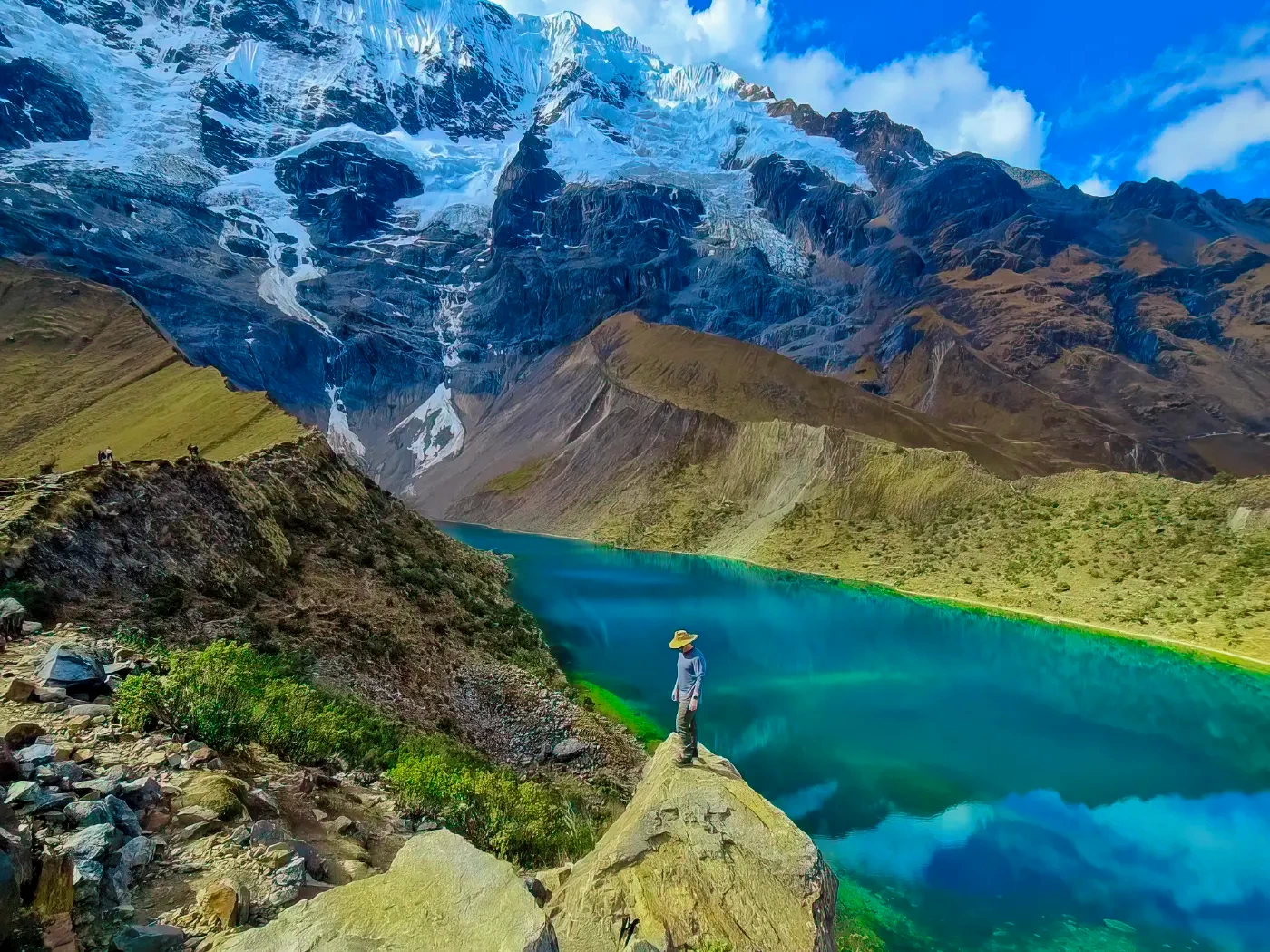
Discover Waqrapukara, an impressive sanctuary and imposing Inca fortress built at an altitude of 4,300 meters (14,100 feet) above the majestic canyon of the Apurímac River. This sacred site stands out not only for its historical and ritual value, but also for its monumental architecture, skillfully integrated into natural rock formations shaped like horns that rise above spectacular abysses.
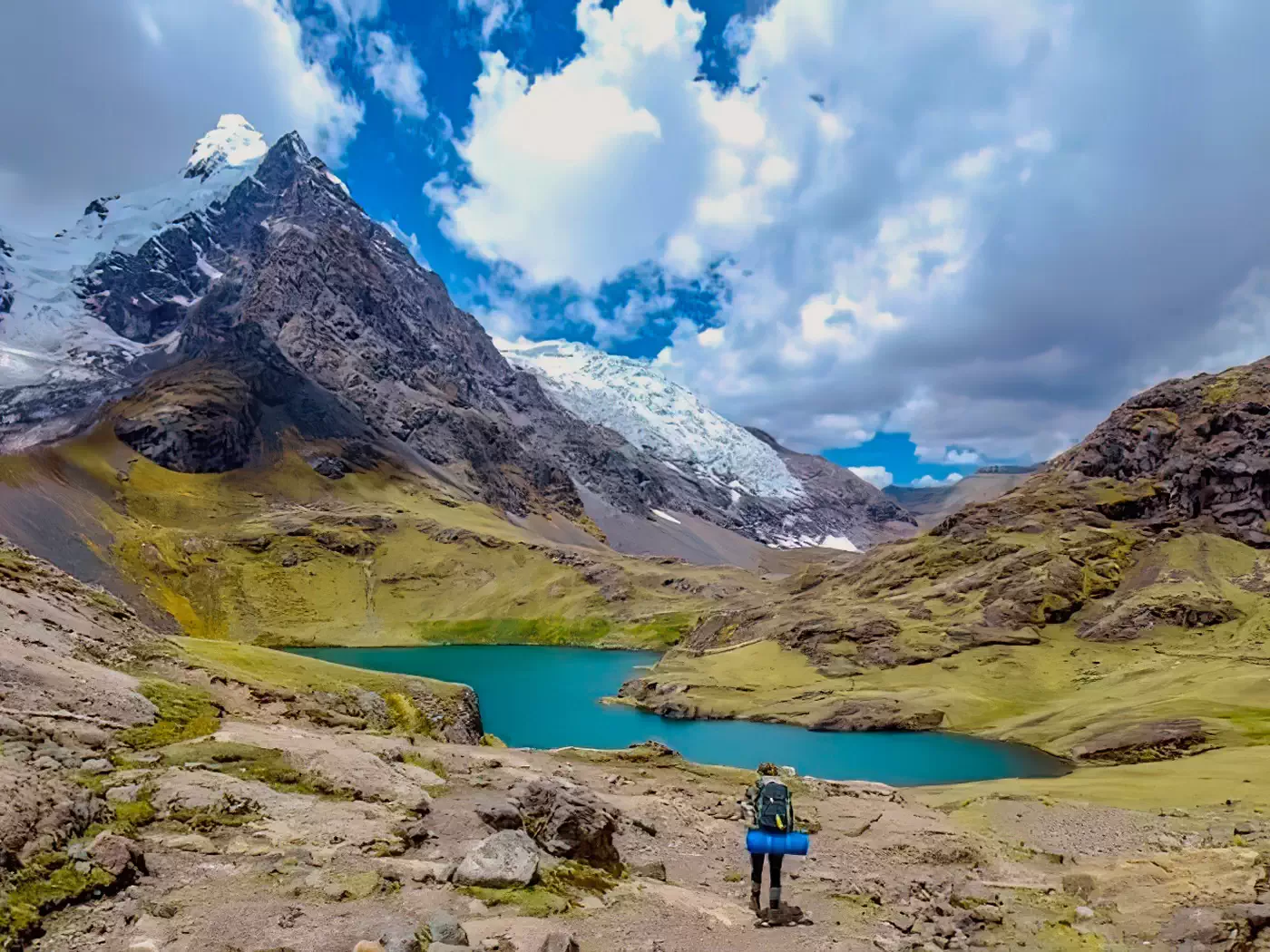
This full-day tour is designed for travelers seeking an authentic adventure away from the crowds. The journey combines a scenic drive with an Andean trek past open fields, high-altitude lakes, and native South American camelids. Upon reaching the complex, your expert guide will lead you to explore the ceremonial plazas of this sacred sanctuary, its stone terraces, and its exclusive finely carved doorways, allowing you to feel the mysticism and energy of this ancestral fortress. It is a unique experience that blends sacred history, physical challenge, and pure nature.
Overview Waqrapukara Inca Sanctuary Above the Canyon
Waqrapukara full day Tour
A full-day excursion to the archaeological site of Waqrapukara offers an incredible adventure at one of the most enigmatic and striking archaeological locations in the Cusco region. Perched atop a dramatic precipice overlooking the Apurímac River canyon, this ancient fortress features unique, horn-shaped stone structures—"Waqrapukara" means "horn fortress" in Quechua—and serves as a less-crowded alternative to more traditional Andean hiking routes. Visitors often highlight the site’s stunning high-altitude landscapes, its mystical atmosphere, and its impressive Inca architecture, which is seamlessly integrated into the rugged, natural rock formations.
Itinerary summary
- Early morning hotel pick up, approximately 4 am in Cusco
- Breakfast in Cusipata
- Arrive to trailhead outside of Sangarara
- Hike 8 km to Waqrapukara (approximately 3 hours and 30 minutes) at 4300 m above sea level
- Guided tour of Waqrapukara
- Lunch
- Free time to explore the archaeological zone
- Return to Sangarara
- Return to Cusco between 7:00/ 7:30 pm
Tour Details
Itinerary & Route: Tours typically depart from Cusco very early in the morning (around 4:00 AM to 5:00 AM) driving south toward the Acomayo province, passing picturesque Andean villages and high-altitude lagoons like Pomacanchi before reaching the trailhead at Sangarará or Huayqui.
The Hike: The trek involves a scenic hike of about 2.5 to 3 hours each way across rolling Andean topography, navigating steady ascents and descents at elevations exceeding 4,000 meters (approx. 13,000+ feet).
Highlights: Visitors explore mysterious plazas, ritual enclosures, staircases, and vantage points overlooking sweeping canyon views, with expert local guides sharing the rich history of pre-Inca and Inca occupations.
Itinerary – Waqrapukara A Journey to One of the Andes’ Hidden Sacred Sites
Waqrapukara Full-Day Tour: The Ultimate High-Andean Expedition
Early Morning Departure & Breakfast (4:00 AM – 6:30 AM)
Your adventure begins with a convenient early morning pick-up directly from your hotel in Cusco. We travel south in a comfortable transport toward the province of Acomayo. After about a 2-hour drive, we arrive at the town of Cusipata, where a hearty, energizing breakfast awaits you to prepare you for the day's high-altitude trek.
Scenic Drive to the Trailhead (6:30 AM – 8:00 AM)
Following breakfast, we continue our journey for another hour through breathtaking Andean landscapes, passing traditional farming communities and rolling hills until we reach the historic town of Sangarará. From here, we transition to the trail network leading toward Paisaje Arqueológico de Waqrapukara.
The Trek to the Fortress (8:00 AM – 11:30 AM)
We begin our 8-kilometer trek across the high-altitude Andean terrain, situated at an elevation of roughly 4,300 meters (14,100 feet). The walk takes approximately 3.5 hours each way. As you hike, you will pass through wide-open meadows, grazing fields for llamas and alpacas, and rugged rural landscapes. Along the trail, your guide will point out local flora and fauna and explain the geographical significance of the region.
Guided Exploration & Lunch (11:30 AM – 2:00 PM)
Upon arrival at the majestic cliffside fortress of Waqrapukara ("Horn Fortress" in Quechua), you will immediately be struck by its dramatic setting perched above the deep Apurímac River canyon. Your expert guide will lead you through the site's most fascinating features, including:
- The Main Plaza (Intihuatana area): Discover ceremonial spaces and sacred rock outcrops.
- Terraces and Enclosures: Explore intricate stonework seamlessly built into the natural rock face.
- The Twin Horns: Take in the iconic, mystical rock formations that give the fortress its name.
After the guided tour, you will have free time to soak in the panoramic views, take stunning photographs, and enjoy a well-deserved boxed lunch surrounded by awe-inspiring mountain vistas.
Return Journey to Cusco (2:00 PM – 7:30 PM)
We begin our trek back along the same trail to the community of Sangarará, where our transport will be waiting. We board the minivan for the return drive to Cusco, arriving back in the city between 7:00 PM and 7:30 PM, concluding an unforgettable journey into Peru's ancient past.
Inclusions – Everything Arranged for a Remote Andean Experience
Includes:
- Private transportation to the trailhead
- Pick up from any hotel in Cusco
- Breakfast at the trailhead
- Entrance fee into the park and Waqrapukara
- English-speaking guide for the entire trip
- Drinking water
- First-aid kit
- Trekking poles
- Taxes
Excludes
- Travel insurance
- Tips for the staff (guide and horseman)
Packing List – Essentials for a Remote High-Andes Trek
What Do I Need To Bring?
- Passport (A copy of it would suffice)
- A Light Trekking bag
- Water
- Snacks
- Extra batteries, and portable chargers for either cameras or phone
- Sunblock
- A hat for the sun
- Scarves for the cold
- Sunglasses
- Trekking shoes
- Rain Poncho
- Some money (in soles preferably)
Price Waqrapukara Full day Tours
We offer competitive and clear pricing for both shared and private Waqrapukara full day tour, including professional guide service and comfortable transport. Select your preferred tour below and book your Cusco experience today!
REGULAR PROGRAMMING:
| REGULAR PROGRAMMING | |
| Price | $??? USD |
Travel Info – What to Know Before Visiting Waqrapukara
Briefings
All briefings are done at our office at 5:00 PM one or two nights before your trek. If you are unable to make this time, you need to coordinate another time with a member of the Xtreme Tourbulencia office team. Briefings are approximately 40 minutes long.
Pickups
Xtreme Tourbulencia is one of the only companies to pick you up directly from your hotel. As long as your hotel is in the center of Cusco city, we will coordinate this pickup based on a time that your guide will discuss at the briefing. Pick up times may vary 30 – 45 minutes based on traffic conditions and previous pickups.
Cusco is an old city with cobblestoned streets and very narrow passageways. Smaller hotels and Airbnbs are often located on streets that cars can’t pass through.
They also are frequently on hillsides with long steep climbs, making it difficult to carry luggage. We highly recommend that you book accommodations with better access. We have a list of hotels that are all comfortable with easy access to pick up and drop off.
Health Concerns
You must be honest with your guide about any health conditions or concerns you might have. While our guides are not medical professionals, they do have first aid training. We also work with a clinic in Cusco that can help assist our team.
You are responsible for assessing whether a tour is suitable for you. You should consult your physician to confirm your fitness for travel and participation in any planned activities. You should seek your physician’s advice on vaccinations and medical precautions.
Xtreme Tourbulencia will not provide medical advice. It is your responsibility to assess the risks and requirements of each aspect of the tour based on your unique circumstances, limitations, fitness level, and medical requirements.
If you develop extreme altitude sickness or any other illness that prevents you from hiking, and you still wish to visit Machu Picchu by train, we will work with you to coordinate this trip. Since this will be a new trip, it may require additional fees. We will use as much of the original itinerary to keep costs low.
If you experience issues while hiking and can not continue, a porter will accompany you to the closest road and wait while a car comes to pick you up and bring you to the nearest health clinic.
Group Tours
Group tours are made up of all different types of people, with various hiking skills and ages. By agreeing to a group tour, you agree that some people might be slower or faster than you are.
Everyone can go at their own pace for the trek, and the guide will work with the group to spend time with everyone. Groups might request some modifications to the tour, and the guide will work with everyone to make the best decision for the group.
Strikes
Unfortunately, strikes are frequent in Peru and can disrupt our tours. Roads are often blocked, and trains stopped. We will make sure your trek continues as planned, even if that means leaving the night before your start date.
Under these circumstances, tours might need to be canceled. But our operations department will coordinate with you in this situation. Your safety is always our top concern and will dictate how we decide.
Lost Items
You are responsible for your items throughout the tour. Please be diligent about where you leave your things and remember to remove all items from our vans, your tents, restaurant, etc.
Do not leave anything unintended during your hike. Other trekkers or teams might pick it up not knowing whose it is.
Tips
Tipping is part of the tradition of any trek to Machu Picchu. While we pay good wages to our entire team, anything extra is always appreciated. Please know that this is not obligatory and that you should never feel pressured into this.
Typically the participants in a group pool their tipping money together for the porters and chef. The amount recommended is $20 USD per person per trek.
For the guide, this is more personal and needs to be decided based on your relationship with them and done separately from the group. Porters and Chefs prefer soles if possible. Guides are happy with U.S. dollars, Peruvian Soles, or even your credit card.
Travel Insurance
Travel insurance is inexpensive and strongly recommended. With trips being planned months ahead of time, you never can predict what could happen. Adventure travel includes more risk than the average trip.
Insurance is a way to protect the investment you have made on this journey. We can help recommend an agent to walk you through this type of insurance if needed.
Weather
Of course, the weather is unpredictable. Typically the dry season in Cusco is from April through October, but this does not stop rain from falling in June or the sun from coming out in December so just be prepared.
No matter what month you are doing the trek, make sure that you have rain gear that includes a waterproof jacket, pants, poncho, and waterproof gloves. Many people forget about gloves, but being cold and wet makes hiking very unpleasant.
Also, prepare for four seasons. Several of the treks through the Andes involve various microclimates and you will need to be prepared. Layers are always key since they are easy to adjust to different temperature changes. Be prepared with a warm packable down jacket since the evening will be cold.
It’s also important to note that the weather can change a listed itinerary. There are times that routes become impassable, and our guides will be forced for your safety to rework your tour.
Altitude Sickness
When traveling to Cusco, altitude sickness (soroche) is a factor to consider due to the region's high elevation. Since the air contains less oxygen, your body needs time to acclimatize. To ensure a pleasant experience, we recommend spending two days resting in the city before embarking on any tour, whether it involves sightseeing or hiking. Stay hydrated, drink the traditional coca infusion, and move at a leisurely pace; our expert guides will accompany and assist you at every stage of the journey.
Getting To Cusco
The airport in Cusco currently is only for domestic flights, so all international travelers by plane must disembark in Lima and go through Customs. Even if your flight to Cusco is the same day by the same airline carrier, you must grab your bags in Lima and then check them back in.
The best way to get to Cusco is by air, and there are several options in airlines. LATAM tends to be the most expensive but has the most options and flights. Expect delays or flight cancellations. Due to the high altitude of Cusco, it tends to be difficult to land, and any inclement weather will stop air traffic.
Bus travel is always available, and while the trip can be long, especially from Lima, the buses in Peru are very well maintained and comfortable. This option is strongly encouraged if coming from a city closer to Cusco, like Puno. Lima buses will take about 20 hours to arrive.
FAQs – Common Questions About Waqrapukara
What is Waqrapukara and what does its name mean?
Waqrapukara is an impressive Inca and pre-Inca archaeological complex perched on the edge of the Apurímac River canyon. Its name comes from two Quechua words: Waqra (horn) and Pukara (fortress), which translates to "Horn Fortress", referring to the two imposing rock formations that resemble a bull's horns.
At what altitude is Waqrapukara located?
The archaeological site is located at approximately 4,300 meters above sea level (14,100 feet). Due to this high elevation, weather conditions can change rapidly, and physical exertion will feel higher than usual.
What is the difficulty level of the trek?
The difficulty is considered moderate to challenging, not only because of the distance (approximately 16 km / 10 miles round trip), but mainly due to the high altitude. The hike takes about 3.5 hours to reach the site and 3 hours to return over mild to moderate slopes.
Is prior preparation or acclimatization required?
Yes, acclimatization is essential. We recommend spending at least 2 days in Cusco prior to taking this tour to properly adjust to the high altitude, rest well, and stay hydrated.
What time does the tour start and end?
The tour starts early with a hotel pick-up in Cusco between 4:00 AM and 4:30 AM, returning to the city between 7:00 PM and 7:30 PM.
How much time is spent driving versus trekking?
- Ground Transportation: Approximately 3 hours each way (including a breakfast stop in Cusipata).
- Trekking: Between 6 and 7 hours in total (round trip) starting from the village of Sangarará.
What meals are included during the tour?
The service includes an energizing breakfast in Cusipata to start your morning and a box lunch enjoyed near the archaeological site surrounded by stunning Andean landscapes.
Can children or older adults participate in this trek?
This tour is recommended for people aged 12 to 60 years with good physical condition and previous hiking experience at high altitudes. It is not recommended for young children or individuals with severe heart or respiratory conditions.
What clothing and gear should I bring?
- Clothing: Dress in layers (thermal jacket/fleece, windbreaker, and waterproof jacket), and comfortable trekking pants.
- Footwear: Broken-in hiking boots or trail shoes with good traction.
- Accessories: Beanie/wool hat, gloves, sun hat, UV protection sunglasses, sunscreen, and a rain poncho.
- Gear: Trekking poles (highly recommended) and a small daypack (20–30L).
Are rest-stop bathrooms available along the trail?
Basic restroom facilities are available at the starting town (Sangarará/Cusipata) and near the entrance checkpoint at Waqrapukara. There are no sanitary facilities along the trail itself.
What is the best time of year to visit Waqrapukara?
The best time to visit is during the dry season (May to October), which offers sunny days and minimal rainfall. During the rainy season (November to April), the landscape is lush and green, but the trails can become muddy and slippery.
Is there mobile cell service or internet connection?
Cellular coverage and internet connections are very limited or non-existent along the trek and at the archaeological site. It is a great opportunity to disconnect and enjoy nature.
What makes Waqrapukara different from other classic tours in Cusco?
Unlike Machu Picchu or the Sacred Valley, Waqrapukara is an off-the-beaten-path destination. It offers dramatic canyon scenery, tranquility, mysticism, and the unique experience of exploring ancient Inca ruins without crowds.
What should I take for altitude sickness (soroche)?
We recommend bringing plenty of water, coca or lemon candies, electrolyte supplements, and personal altitude medication (after consulting your doctor). Walking at a steady, comfortable pace is key.
Is the entrance fee to Waqrapukara included?
Access to the archaeological site is managed by local communities in coordination with authorities. Most guided tour packages include the community admission fee in the total price.