

 EN
EN ES
ES FR
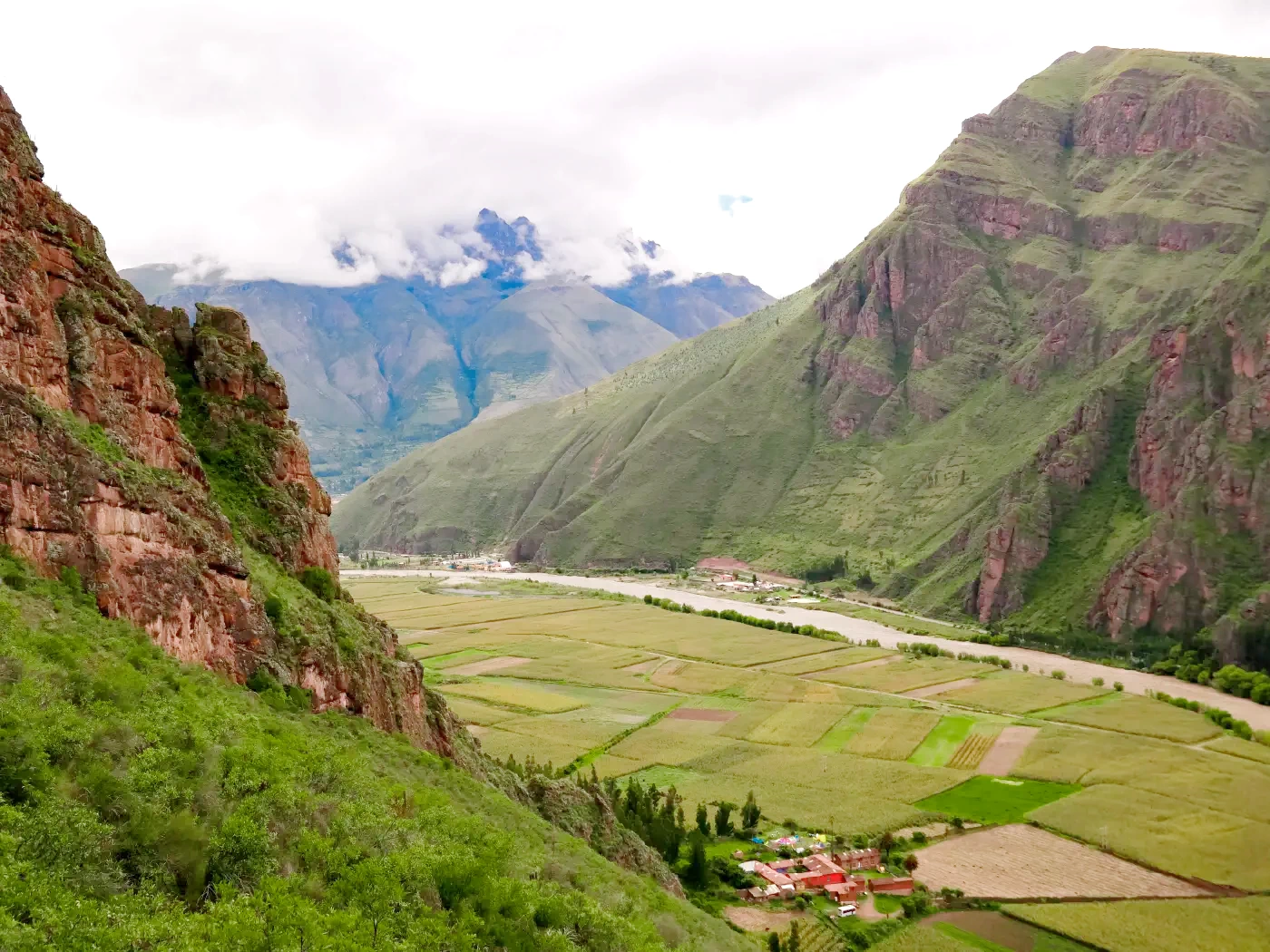
FRVisiting the valley of Lares establishes real contact with the Andean life because we visit villages and meet people who still live the ancestral way or cultivate their lands using traditional methods. Furthermore, they hold on to ancient traditions and wear very typical clothes.
These colors mixed with the large variety of flora and fauna on a trek that breathes the traditional way of life making this an unforgettable and out-of-time experience in these magical and enchanting landscapes that will take you all the way to Machu Picchu.
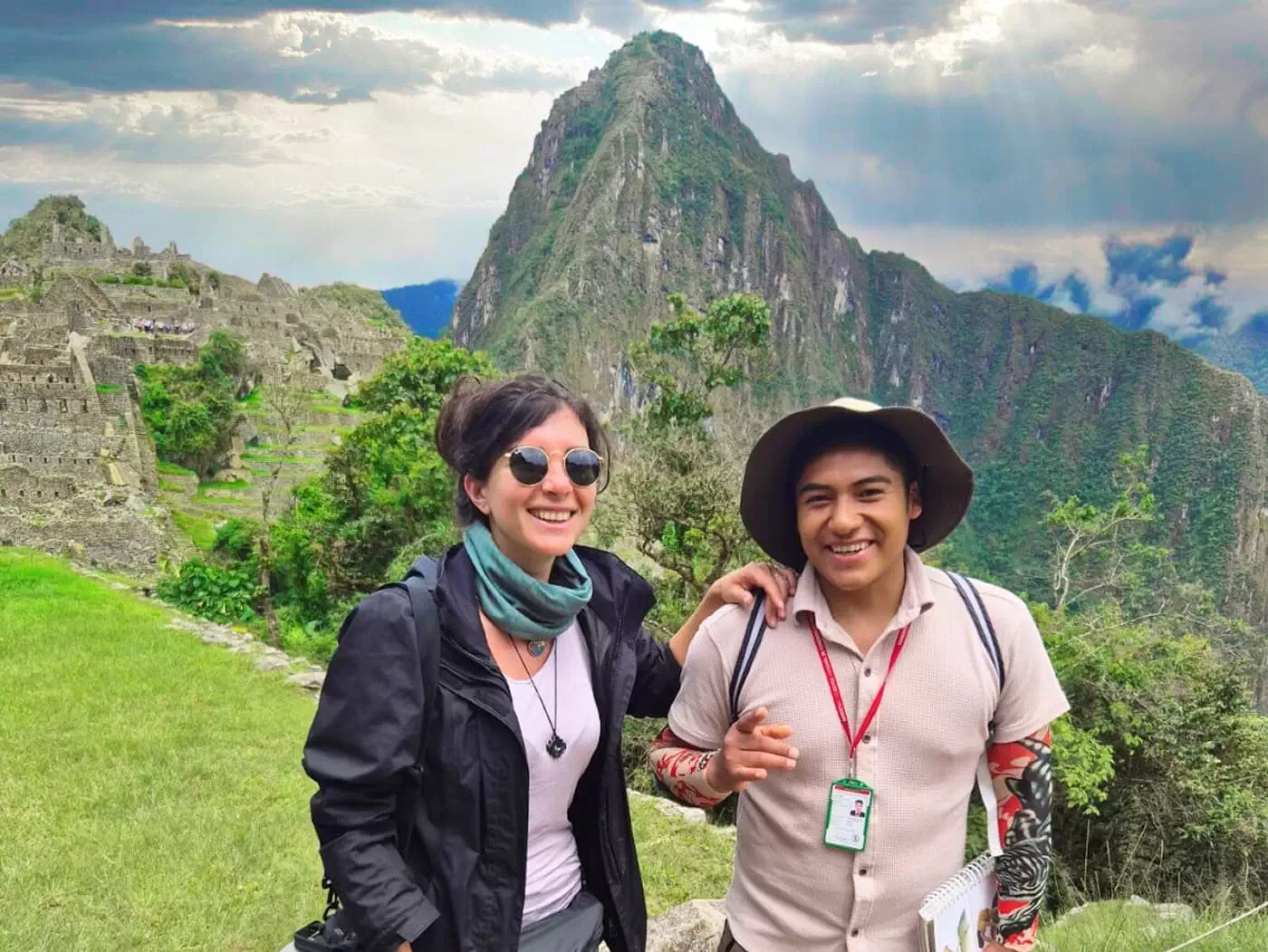
Machu Picchu whispers mysterious secrets and lost knowledge to those wanting to listen to such point that the lost city of the Incas even seems to float and hide between the mountains and clouds.
Summary - An intimate journey through Andean life and beautiful valleys
Day 1: Cusco – Cuncani – Huaca Wasi
- Hotel Pickup in Cusco
- Bus to Cuncani
- Hike to black lake and Paccha Pata
- Lunch
- Hike to Huaca Wasi camping spot
- Dinner
- Bedtime
Day 2: Huaca Wasi – Ipsay pass – Patacancha
- Breakfast
- Hike to Ipsay pass (4,400 m/ 14,436 ft)
- Interact with local Andean communities
- Lunch
- Hike to Patacancha
- Arrive to camp or homestay
- Dinner
- Bedtime
Day 3: Patacancha – Willoc -Pumamarca - Ollantaytambo - Aguas Calientes
- Breakfast
- Hike to Willoc
- Hike to Pumamarca
- Arrive to Ollantayambo
- Lunch
- Train to Aguas Calientes
- Dinner
- Bedtime
Day 4: Aguas Calientes – Machu Picchu – Cusco
- Breakfast
- Bus to Machu Picchu
- Machu Picchu guided tour
- Free time to explore the ruins
- Return to Aguas Calientes (Hike or Bus)
- Train to Cusco
- Hotel drop off
ITINERARY – A BALANCED RHYTHM OF WALKING AND REST
1ST DAY: CUSCO- LARES HOT SPRINGS- CUNCANI- HUACAWASI
Around 6:00 am we will pick you up from your hotel in our private tourist vehicle. We will make a stop in the town of Calca (2800m) to visit a local market and get breakfast during our trip to the Andes and the Scared Valley. Later, we will continue in the same vehicle to the down of Lares (3250m) and you will have a moment to relax in the Lares Hot Springs (Average temperature of 28º to 34ºC.) Afterwards, we'll depart for the village of Cuncani (3700m), where we'll begin our hike, discovering the mountains with granite and andesite peaks and traditional indigenous communities. After a 2- 3 hour hike, we'll reach our lunch spot, a beautiful and inviting landscape. Following lunch, we'll hike for another 2 hours to our campsite in Huacawasi (3900m). There, the warm and welcoming people will introduce us to their families and share their skill in transforming alpaca wool into colorful and beautifully crafted textiles. We'll also participate in a weaving lesson and then rest in a lodge run by the residents of Huaca Huasi, which offers rooms with private bathrooms and showers.
Includes: Accommodation, lunch and dinner
Distance: 12 Kilometers
Transportation time: 4 hours
Walking time: 5-6 hours in cold climate
2ND DAY: HUACAWASI – PATA CANCHA
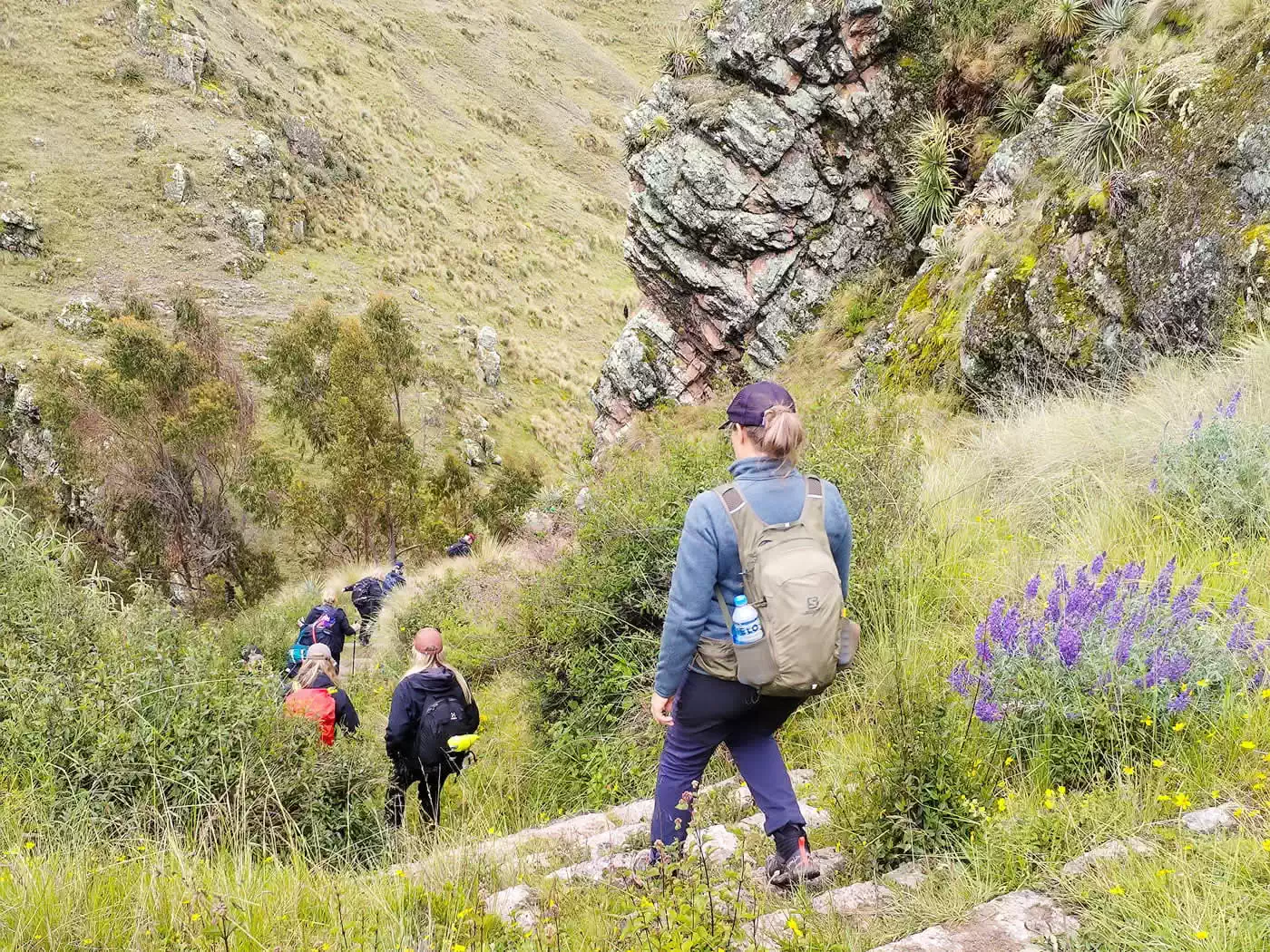
After breakfast, we begin the longest and most difficult day of the trek, which takes an average of six hours. The first three hours will be a continuous ascent until the highest point of our trek, the Abra Ipsay at 4,490 meters above sea level. Here lives Andean people, they will teach us their customs and traditions, we will have some time to take photos of the alpacas, llamas, viscachas, and if there is a little luck, we can appreciate the condor which sometimes passes through this zone. Arriving at the Ipsaycocha laguna, we will have our lunch and late we will continue our trek to our second resting place in the town of Pata Cancha. We will stay in a local Albergue which has private bathroom with a hot shower.
Includes: Accommodation, breakfast, lunch and dinner
Distance: 13 Kilometers
Walking time: 6-7 hours
Climate: Cold
3RD DAY: PATACANCHA – PUMA MARCA - OLLANTAYTAMBO – AGUAS CALIENTES
We begin the day with a hike to the Sacred Valley of the Incas. This day is much easier than the previous days because the entire trail is descending. On the trial we will pass Willoq and Puma Marca two towns known for their work with textiles and colorful costumes which come from the times of their ancestors. We will also have a walk on the Inca Trail from Puma Marca to Ollantaytambo, a beautiful path among the agricultural terraces which were used in the age of the Incas, and we continue our walk to the living inca town of Ollantaytambo. Here we will have time to visit the beautiful streets and canals from the age of the Incas that are still used today, later we will have our dinner before taking the train to the town of Aguas Calientes. We will have a night to rest our feet before the Machu Picchu Citadel.
Includes: Hotel, breakfast, lunch and dinner
Distance: 16 kilometers
Walking time: 6-7 hours
Climate: Moderate
4TH DAY: AGUAS CALIENTES – MACHU PICCHU – CUSCO
After our breakfast at 5:30 am, we will take a tourist bus to ascend to Machu Picchu. At 6 am we will visit the citadel of Machu Picchu (2400m) the place will enrich us with its history and culture in harmony with nature. Later you will enjoy the tranquility in your free time before returning to the town of Aguas Calientes and taking the train to Ollantaytambo. From Ollantaytambo we will continue in bus to the city of Cusco (3350m). The climate in Machu Picchu is moderate with mosquitos.
Includes: Breakfast in the hotel
Distance: 16 kilometers
Walking time: 6-7 hours
Climate: Moderate with mosquitos
INCLUSIONS – INCLUDED TO SUPPORT A SMOOTH, MEANINGFUL JOURNEY
Included:
- Informational Meeting: We will have the final instructions 02 days before your departure with our guide for this route.
- Expert Guide: Certified professional bilingual guide (available in English or Spanish)
- Private Transportation: Private transport from your hotel in Cusco to the starting point in the Lares Valley
- All Food on the Trail: 3 breakfast, 3 lunches, 3 dinners and snacks on the trail. (vegetarian, vegan and gluten free options available upon request)
- Chef Service: Professional chef and complete kitchen and dining equipment for the route
- Muleteer and horses: to transport equipment and luggage to the resting places (6 kg of personal luggage per passenger)
- Emergency Horse: Assistance for emergencies or fatigue during the journey
- Local Accommodations: We will stay in selected community homestays during the first and second nights.
- Private rooms with private bathrooms and hot showers.
- Kitchenware: Utensils, tableware and complete equipment for portable kitchen and dinning
- Official Entrance Ticket: For the Lares Valley tourist circuit
- Official Entrance Ticket: To the citadel of Machu Picchu
- Bus ticket to Machu Picchu: A tram from Aguas Calientes to Machu Picchu
- Round Trip Train: Tourist train from Ollantaytambo station to Aguas Calientes and return after Machu Picchu visit
- Private transfer: From train station to hotel in Cusco
- Final Night Acommodation: In a comfortable hotel in Aguas Calientes (Machu Picchu Town)
- First Aid: Complete kit for adventure and trekking activities
- Oxygen Tank: Medicinal Oxygen available during the entire trek to prevent altitude sickness
- Boiled Water: Constant supply of cold boiled water for consumption during the trek.
- Duffel Bags: To organize your 6 kgs of personal luggage transported by horse
Optional: Personal Camping Equipment per passenger available to rent
Not included:
- Breakfast on the first day or lunch on the 4th
- Sleeping Bag
- Hiking poles
Notes:
- From the Hot Spring of Lares village (Day 1) all luggage will be transferred to Huacahuasi community by car. From Huacahuasi to Pucara (Day 2) we are accompanied by horsemen and mules that will carry all camping equipment and the customer’s private luggage (up to 4 kg). From Ollantaytambo to Aguas Caliente town (Day 3) we continue by train.
- Visit to Huayna Picchu: For Huayna Picchu mountain requires to be booked long time in advance however we charge additional US $ 22.00 and then we’ll guarantee your entrance for Huayna Picchu as well (This new State law began since the 18th of July, 2011).
- Camping sites: The camping sites on the journey to Machu Picchu can vary from those described in our itinerary. This is because some camping sites are already booked out otherwise can be our guide’s criteria and the group progress.
- Altitude Advice: To avoid problems with to the altitude, we recommend that you arrive at least 48 hrs prior to departure of your hike. Please contact us as soon as you get to Cusco to organize the pre-departure meeting.
- Tips for porters, cooks and guides are always welcome. The porters are also very grateful for a small donation, for example clothes or school equipment for their children.
PACKING LIST: ESSENTIALS FOR A STRESS-FREE TRIP
WHAT DO I NEED TO BRING?
▪️Backpack with a waterproof cover.
▪️Sleeping bag.
▪️Clothing for both warm and cold weather, such as a waterproof jacket.
▪️Rain pants and lightweight pants.
▪️Hiking boots.
▪️Sneakers or sandals (for showers and hot springs).
▪️Wool or synthetic socks and a sweater.
▪️Long- and short-sleeved T-shirts/shirts.
▪️Rain poncho and a hat.
▪️Swimsuit (for the Aguas Calientes hot springs).
▪️Sunscreen, insect repellent, rubbing alcohol and hand sanitizer, water bottle and sanitizing tablets, toiletries, and toilet paper.
▪️Camera (wrapped in a plastic bag), a flashlight, and batteries.
▪️Snacks such as chocolate bars and nuts.
▪️Original passport, original ISIC student ID, and extra cash in soles.
▪️Since the weather can be very cold and damp, your clothes, once wet, will not dry overnight. So bring a change of clothes.
HOTELS – SIMPLE, WARM STAYS ALONG THE WAY
To begin, we'd like to suggest some accommodation options in Cusco. Although it's a small city, there are increasingly more pedestrian streets where vehicular traffic is restricted. This situation makes transfers and pick-ups more difficult, so we recommend taking precautions.
Xtreme Tourbulencia has selected comfortable hotels that facilitate transfers and pick-ups for our tours. These are just suggestions.
PRICE - LARES TREK 4 DAYS
In order for us to embark on the Lares Trek 4 days, we have to review availability for your departure date and have a clear start date in order to enjoy our hike. At this moment, Xtreme Tourbulencia requires a minimum of two people in order to confirm a start date. If you are a solo traveler, please consult us for available departure dates.
REGULAR PROGRAMMING:
| REGULAR PROGRAMMING | WITH 3 STAR HOTEL |
| Price | $??? USD |
Optional Add Ons
a) 4 Star Hotel: Enjoy a more pleasant night in comfort Hotel Tierra Viva or Casa Andina depending on availability for $40 USD additional per person.
b) Train Upgrades: Vistadome observatory train is available for $40 each way, which allows you to enjoy panoramic windows, snacks, and dances making your train journey more pleasant.
c) Entrance Fees and Permits: Huayna Picchu or Machu Picchu Mountain: Has an additional cost of $70 USD, only for the entrance and does not include train service.
d) Private Group Tour Service: Hike at your own rhythm with your group.
FAQS: WHAT TRAVELERS OFTEN ASK ABOUT LARES
DOES THE LARES TREK GO TO MACHU PICCHU?
Yes, the Lares Trek can be combined with a visit to Machu Picchu. The Lares Trek is a popular alternative to the classic Inca Trail, and it passes through the stunning Andean landscapes and remote Quechua communities. The trek ends in Ollantaytambo, where you can take a train to Aguas Calientes, the town at the base of Machu Picchu.
There are several variations of the Lares Trek, and the exact itinerary and duration can vary depending on the tour operator and starting point. Some Lares Trek itineraries include a visit to Machu Picchu on the last day of the trek, while others may include an overnight stay in Aguas Calientes before visiting Machu Picchu the following day.
Overall, the Lares Trek offers a unique and off-the-beaten-path trekking experience that combines cultural immersion and stunning natural landscapes with a visit to one of the world’s most iconic historical sites.
HOW HIGH IS THE LARES TREK?
Lares Trek is a high-altitude trek that reaches a maximum elevation of 4,450 meters (14,599 feet) at the Pachacutec Pass. It starts in the town of Lares, which sits at an elevation of around 3,200 meters (10,498 feet) and covers a distance of approximately 33 kilometers (20 miles) over several days.
The Lares Trek passes through stunning Andean landscapes, remote Quechua communities, and several archaeological sites, offering a unique cultural and trekking experience. However, the high altitude can cause altitude sickness, which can make the trek challenging for some hikers.
It is important to be well prepared physically and mentally before attempting the Lares Trek, including proper acclimatization, physical training, and packing appropriate gear. It’s also recommended to choose a reputable tour operator that provides knowledgeable guides, high-quality equipment, and proper safety measures.
HOW LONG IS THE LARES TREK?
Lares Trek is a multi-day trek that covers a distance of approximately 33 kilometers (20 miles) and typically takes 3-4 days to complete. The exact itinerary and duration can vary depending on the tour operator, starting point, and trekking pace.
The first day of the trek usually starts in the town of Lares and includes a visit to the Lares hot springs before camping for the night.
On the second day, the trek reaches its highest point at the Pachacutec Pass (4,450 meters/14,599 feet) before descending to the village of Patacancha, where you will camp for the night.
On the third day, the trek passes through several remote Quechua communities before camping for the night at the village of Huacahuasi or Ollantaytambo. Finally, on the fourth day, you can take a train to Aguas Calientes, the town at the base of Machu Picchu, before visiting Machu Picchu the following day.
It’s important to choose an itinerary that matches your physical abilities and time constraints and to properly prepare for the trek by acclimatizing to the altitude, physical training, and packing appropriate gear.
WHERE DOES LARES TREK END?
The Lares Trek typically ends in the town of Ollantaytambo, where hikers can take a train to Aguas Calientes, the town at the base of Machu Picchu. Ollantaytambo is a charming Inca town located in the Sacred Valley, approximately 60 kilometers (37 miles) from Cusco. It is known for its well-preserved Inca ruins and narrow cobblestone streets.
After completing the Lares Trek, hikers usually spend the night in Ollantaytambo before taking an early morning train to Aguas Calientes. From there, hikers can take a shuttle bus to Machu Picchu or hike up to the entrance.
The train ride from Ollantaytambo to Aguas Calientes takes approximately 1.5 to 2 hours, depending on the type of train and the departure time.
Ollantaytambo is also a popular destination in its own right, with several restaurants, cafes, and souvenir shops. It’s a great place to relax and unwind after completing the Lares Trek before continuing on to Machu Picchu or other destinations in the Sacred Valley.
HOW DIFFICULT IS THE LARES TREK?
The Lares Trek is considered to be a moderate to challenging trek, with varying altitudes, rugged terrain, and rapidly changing weather conditions. It involves several days of hiking at high altitudes, reaching a maximum elevation of 4,450 meters (14,599 feet) at the Pachacutec Pass.
The difficulty of the trek can depend on factors such as the individual’s fitness level, previous experience with high altitude trekking, and how well they are acclimatized to the altitude.
It is important to be well prepared physically and mentally before attempting the Lares Trek, including proper acclimatization, physical training, and packing appropriate gear.
Overall, while it is a challenging trek, it is also a highly rewarding experience for those who are prepared and up for the challenge. The trek offers stunning Andean landscapes, remote Quechua communities, and cultural immersion that make it a unique and memorable experience.
IS THE LARES TREK WORTH IT?
Yes, the Lares Trek is worth it for those seeking a unique and off-the-beaten-path trekking experience in the Andes. The trek offers stunning landscapes, remote Quechua communities, and cultural immersion that make it a memorable and rewarding experience.
Lares Trek is a great alternative to the Classic Inca Trail, which can be overcrowded and heavily regulated. This four-day trek offers a more authentic and less-traveled route through the Andes, with fewer tourists and more opportunities to interact with local communities and learn about their culture and way of life.
Lares trek includes visits to hot springs, archaeological sites, and stunning mountain passes, providing a diverse and exciting trekking experience. The trek also offers the chance to visit Machu Picchu, one of the world’s most iconic historical sites, making it a perfect combination of natural and cultural attractions.
Overall, the Lares Trek is a highly recommended trek for those looking for a challenging and rewarding experience that combines stunning Andean landscapes, cultural immersion, and a visit to Machu Picchu.
TRAVEL INFO: PRACTICAL TIPS FOR A RELAXING EXPERIENCE
BRIEFINGS
All briefings are done at our office at 5:00 PM one or two nights before your trek. If you are unable to make this time, you need to coordinate another time with a member of the Xtreme Tourbulencia office team. Briefings are approximately 40 minutes long.
PICKUPS
Xtreme Tourbulencia is one of the only companies to pick you up directly from your hotel. As long as your hotel is in the center of Cusco city, we will coordinate this pickup based on a time that your guide will discuss at the briefing. Pick up times may vary 30 – 45 minutes based on traffic conditions and previous pickups.
Cusco is an old city with cobblestoned streets and very narrow passageways. Smaller hotels and Airbnbs are often located on streets that cars can´t pass through.
They also are frequently on hillsides with long steep climbs, making it difficult to carry luggage. We highly recommend that you book accommodations with better access. We have a list of hotels that are all comfortable with easy access to pick up and drop off.
HUAYNA PICCHU / MACHU PICCHU MOUNTAIN
Machu Picchu is most beautiful when seen from above, which is why hiking one of the mountains next to the ruins is very popular to do after your tour.
Huaynapicchu is the most popular and must be booked in advance since it sells out very quickly. This hike takes approximately 1 hour to the top, and another 45 minutes back down. Tickets are sold in time sessions stating when you can start this hike. The first session is from 7-8 AM, and the 2nd session is from 10-11 AM.
Again, this refers to the timeframe when you can start your hike. We usually book the second session so you can enjoy your tour with your guide first. You will do this hike on your own, but your guide will show you where to begin.
Machu Picchu Mountain is a bit longer and a bit less popular. It takes 2 hours to the top and another 1 hours to the bottom. Again there are two time windows – from 7-8 AM and 9-10 AM and we usually purchase the second time window. 4 Day treks, the Trekkers CAN NOT do this hike and enjoy a tour of the ruins. Time will not allow for this.
Hiking either mountain will allow you to have some extra time at the ruins once you complete, as listed above.
MACHU PICCHU ENTRANCE TIMES
Entry times to Machu Picchu are fixed and non-adjustable. Nevertheless, a grace period is typically granted to accommodate unexpected delays.
Schedules (*) | Peak Season: Arrival Policy (**) | Low Season: Arrival Policy (**) |
06:00 am | Until 06:30 am | Until 06:45 am |
07:00 am | Until 07:30 am | Until 07:45 am |
08:00 am | Until 08:30 am | Until 08:45 am |
09:00 am | Until 09:30 am | Until 09:45 am |
10:00 am | Until 10:30 am | Until 10:45 am |
11:00 am | Until 11:30 am | Until 11:45 am |
12:00 pm | Until 12:30 pm | Until 12:45 pm |
01:00 pm | Until 01:30 pm | Until 01:45 pm |
02:00 pm | Until 02:30 pm | Until 02:45 pm |
03:00 pm | Until 03:30 pm | Until 03:45 pm |
(*) Entry time at the main gate of the Inca city of Machupicchu.
(**) Entry at the control points of Machupicchu, Waynapicchu, and Huchuypicchu mountains does not have a grace period.
HEALTH CONCERNS
You must be honest with your guide about any health conditions or concerns you might have. While our guides are not medical professionals, they do have first aid training. We also work with a clinic in Cusco that can help assist our team.
You are responsible for assessing whether a tour is suitable for you. You should consult your physician to confirm your fitness for travel and participation in any planned activities. You should seek your physician’s advice on vaccinations and medical precautions.
Xtreme TourBulencia will not provide medical advice. It is your responsibility to assess the risks and requirements of each aspect of the tour based on your unique circumstances, limitations, fitness level, and medical requirements.
If you develop extreme altitude sickness or any other illness that prevents you from hiking, and you still wish to visit Machu Picchu by train, we will work with you to coordinate this trip. Since this will be a new trip, it may require additional fees. We will use as much of the original itinerary to keep costs low.
If you experience issues while hiking and can not continue, a porter will accompany you to the closest road and wait while a car comes to pick you up and bring you to the nearest health clinic.
GROUP TOURS
Group tours are made up of all different types of people, with various hiking skills and ages. By agreeing to a group tour, you agree that some people might be slower or faster than you are.
Everyone can go at their own pace for the trek, and the guide will work with the group to spend time with everyone. Groups might request some modifications to the tour, and the guide will work with everyone to make the best decision for the group.
STRIKES
Unfortunately, strikes are frequent in Peru and can disrupt our tours. Roads are often blocked, and trains stopped. We will make sure your trek continues as planned, even if that means leaving the night before your start date.
Under these circumstances, tours might need to be canceled. But our operations department will coordinate with you in this situation. Your safety is always our top concern and will dictate how we decide.
LOST ITEMS
You are responsible for your items throughout the tour. Please be diligent about where you leave your things and remember to remove all items from our vans, your tents, restaurant, etc.
Do not leave anything unintended during your hike. Other trekkers or teams might pick it up not knowing whose it is.
TIPS
Tipping is part of the tradition of any trek to Machu Picchu. While we pay good wages to our entire team, anything extra is always appreciated. Please know that this is not obligatory and that you should never feel pressured into this.
Typically the participants in a group pool their tipping money together for the porters and chef. The amount recommended is $20 USD per person per trek.
For the guide, this is more personal and needs to be decided based on your relationship with them and done separately from the group. Porters and Chefs prefer soles if possible. Guides are happy with U.S. dollars, Peruvian Soles, or even your credit card.
TRAVEL INSURANCE
Travel insurance is inexpensive and strongly recommended. With trips being planned months ahead of time, you never can predict what could happen. Adventure travel includes more risk than the average trip.
Insurance is a way to protect the investment you have made on this journey. We can help recommend an agent to walk you through this type of insurance if needed.
WEATHER
Of course, the weather is unpredictable. Typically the dry season in Cusco is from April through October, but this does not stop rain from falling in June or the sun from coming out in December so just be prepared.
No matter what month you are doing the trek, make sure that you have rain gear that includes a waterproof jacket, pants, poncho, and waterproof gloves. Many people forget about gloves, but being cold and wet makes hiking very unpleasant.
Also, prepare for four seasons. Several of the treks through the Andes involve various microclimates and you will need to be prepared. Layers are always key since they are easy to adjust to different temperature changes. Be prepared with a warm packable down jacket since the evening will be cold.
It’s also important to note that the weather can change a listed itinerary. There are times that routes become impassable, and our guides will be forced for your safety to rework your tour.
ALTITUDE SICKNESS
As soon as people book their trip to Peru, specifically Cusco, they start wondering about altitude sickness. The air at high altitudes contains less oxygen than at sea level and forces your body to work harder to get the oxygen it needs.
Over several days at high altitude, your body adjusts to the lower amount of oxygen in the air. For this reason, we always recommend spending at least two days in Cusco before beginning any trek in the Andes. Cusco is a marvelous city with lots to do, so if you have more time to acclimate you won´t be bored.
With altitude sickness, you may first feel like you have the flu or a hangover. You may have a headache, tiredness, loss of appetite, nausea or vomiting, dizziness, trouble sleeping, trouble breathing during exercise. If any of these effects become severe, please contact our office, and we will help you get to a doctor.
Most of the time, these symptoms will be mild. We always recommend easing into activity slowly, allowing your body to adjust. Drink plenty of fluids such as water or coca tea.
Coca tea has been used since ancient times to help prevent altitude sickness. Leaves from the Coca Plant contain alkaloids that help bring oxygen into your blood, helping your body avoid the effects of altitude sickness. Avoid drinking a lot of alcohol and coffee. They will cause you to urinate more often and become dehydrated. Avoid smoking. Smoking makes it more difficult for your body to get oxygen. Avoid sleeping pills. They may cause shallow breathing at night, making it more difficult for your body to absorb oxygen while you sleep.
Remember the trek to Machu Picchu is not a race. Even those in the best shape will suffer from altitude sickness if they race to the top of the mountain too quickly. Go slow, and it will give your body time to adjust to the elevation.
Your healthcare provider may prescribe medications, such as acetazolamide and dexamethasone, to help prevent altitude sickness. Start the medicine two days before you get to a high altitude. Continue to take it while you are at high altitude.
You must remember that this is your holiday and you do not want to stress out about the possibility of getting sick from the mountains. Do everything slowly and drink lots of water, and enjoy the coca tea.
If anything does happen and you, unfortunately, get sick, let your guide know right away. Xtreme Tourbulencia guides are trained to help you get through it.
GETTING TO CUSCO
The airport in Cusco currently is only for domestic flights, so all international travelers by plane must disembark in Lima and go through Customs. Even if your flight to Cusco is the same day by the same airline carrier, you must grab your bags in Lima and then check them back in.
The best way to get to Cusco is by air, and there are several options in airlines. LATAM tends to be the most expensive but has the most options and flights. Expect delays or flight cancellations. Due to the high altitude of Cusco, it tends to be difficult to land, and any inclement weather will stop air traffic.
Bus travel is always available, and while the trip can be long, especially from Lima, the buses in Peru are very well maintained and comfortable. This option is strongly encouraged if coming from a city closer to Cusco, like Puno. Lima buses will take about 20 hours to arrive.