

 EN
EN ES
ES FR
FRExperience the ultimate Choquequirao Trek 5 Days Private Service, an exclusive journey through the hidden cradle of the Incas. This territory boasts an infinite variety of microclimates and landscapes, ranging from towering snow-capped peaks over 6,000m and high Andean plateaus to lush cloud forests and deep jungle basins.
Following the Spanish invasion, this region within the Vilcabamba mountain range became the stronghold of Manco Inca. The area features a complex network of original Inca Trails connecting sacred sites and settlements that were further expanded under the reign of the last Inca resistance: Manco Inca, Sayri Tupac, Titu Cusi Yupanqui, and Tupac Amaru I.
Choosing this private Choquequirao hiking tour allows you to explore a neo-Imperial state designed to preserve the religious knowledge, astronomical mastery, and ancestral traditions of the ancient Inca society.
Overview - Choquequirao Trek 5 Days
Embark on an exclusive 5-day private expedition to the "Sister City of Machu Picchu." This challenging yet rewarding trek takes you through deep canyons and ancient cloud forests.
Day 1: Cusco | Capuliyoc – Chiquisca
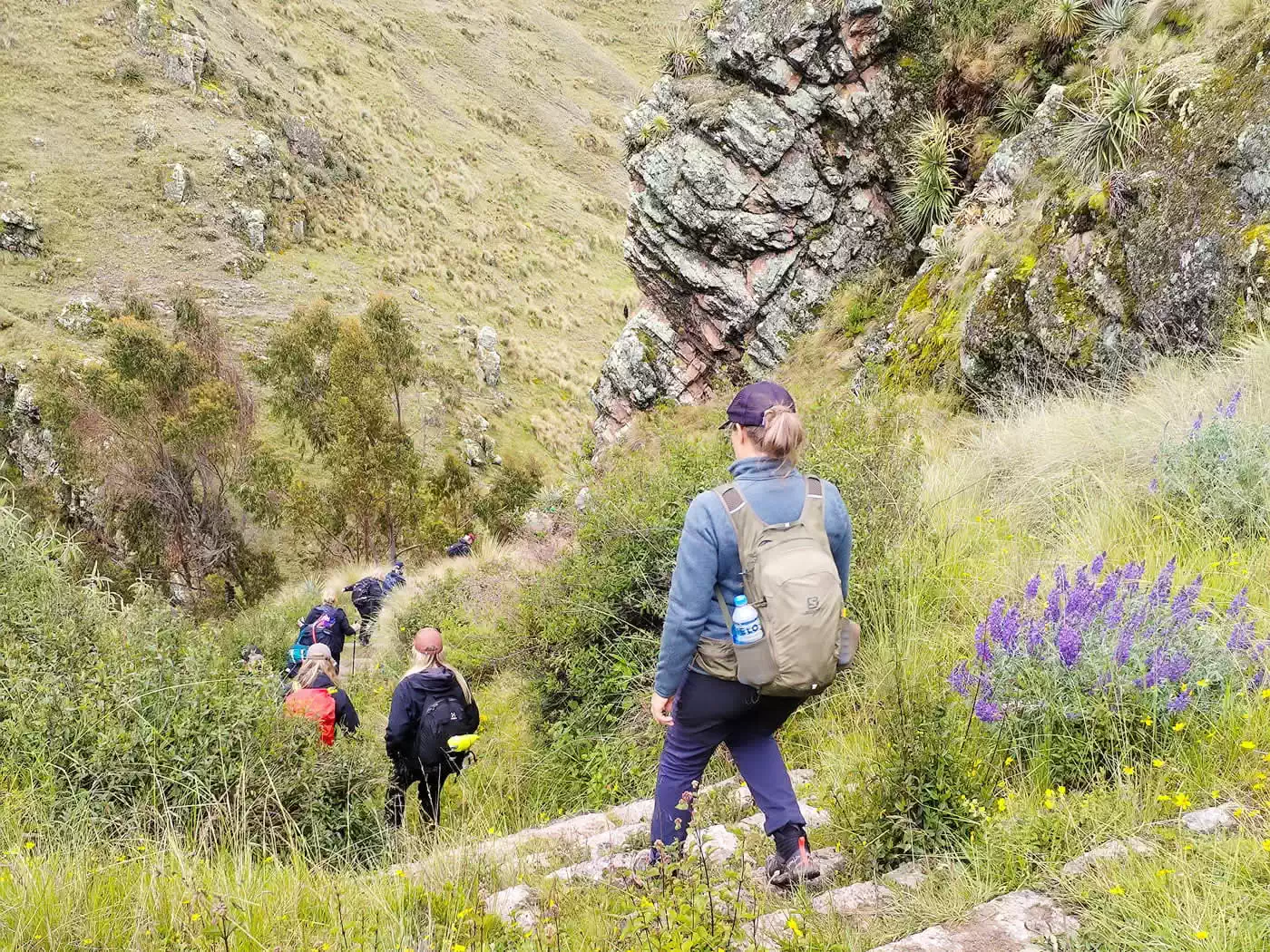
Depart from Cusco towards the Capuliyoc lookout (2,800m) for breathtaking views of the Apurimac Canyon. Descend through a zigzag path to your first camp at Chiquisca (1,930m).
Distance: 8 km / Hiking time: 3-4 hours.
Day 2: Chiquisca | Marampata – Choquequirao
After crossing Playa Rosalina at the bottom of the canyon, begin a demanding ascent to Marampata (2,850m). Arrive at the Choquequirao Archaeological Complex (3,033m) just in time to witness a mystical sunset and potential condor sightings.
Distance: 14 km / Hiking time: 7 hours.
Day 3: Exploring the Lost City of Choquequirao
A full day dedicated to uncovering the secrets of this massive Inca site, of which only 30% is currently restored. Explore the agricultural terraces, sacred temples, and hidden plazas surrounded by dense vegetation.
Hiking time : 6 hours exploring the site.
Day 4: Choquequirao | Playa Rosalina – Chiquisca
Begin the return journey, descending from the heights of the ruins back to the Apurimac River at Playa Rosalina. Conclude the day with a final climb to the Chiquisca campsite.
Hiking time: 6 hours.
Day 5: Chiquisca | Capuliyoc – Cusco
The final stretch involves a steady climb back to the Capuliyoc pass for a last look at the Vilcabamba range. From the village of Cachora, a private vehicle will transport you back to your hotel in Cusco.
Hiking time: 4-5 hours.
Itinerary – Five Days of Canyons, High Passes, and Ancient Ruins
Day 1 : Cusco – Capuliyoc – Chiquisca (3350 – 2850 – 1930m)
We leave early in the morning to the northwest of the city of Cusco (3350m) by transport towards the town of Cachora (2850m). On the way we will make a stop for breakfast before continuing to the start of the hike “Capuliyoc” where it is surrounded by mountains and the majestic snow-capped Padreyoc (5571m).
This is the meeting place with the muleteers and mules that will help us carry the camping equipment throughout the expedition from the Capuliyoq pass (2800m).
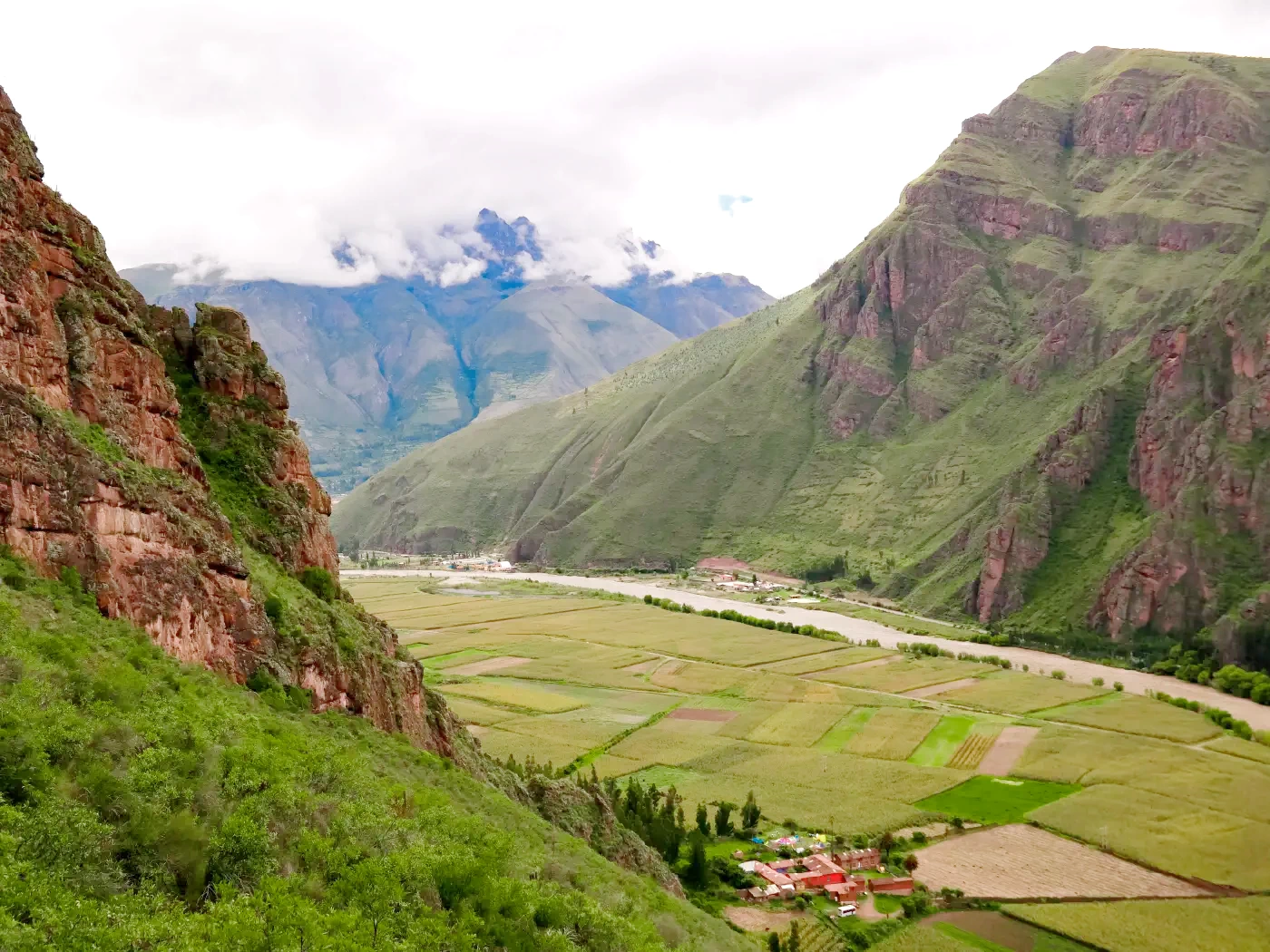
Where we will have a spectacular view of the Apurímac canyon and part of the Choquequirao Archaeological Complex in the distance, which as a brief rest we will observe our path down that goes in a zigzag way along the edge of the mountain to the campsite that will be Chiquisca (1930m) a small town with a warm climate where we will have lunch and spend the night.
Hiking time: 3-4 hours in a warm climate with mosquitoes.
Distance: 8 Km
Day 2 : Chiquisca – Playa Rosalina - Marampata – Choquequirao (1930 – 1550 – 2850 – 3033m)
After having enjoyed our breakfast, we begin to descend for approximately thirty minutes to Rosalina Beach (1500m). From there we begin the ascent out of the canyon as soon as we can, in a warm climate to the town of Marampata (2850m), where we will have our camp with a beautiful view of the archaeological complex of Choquequirao.
The phenomenon of the sunset is enigmatic in Choquequirao accompanied by an Andean symbol known as the “Condor”, descending from the highest mountains of the Vilcabamba mountain range to the archaeological complex of Choquequirao (3033m).
Walking time: 7 hours in a warm and cold climate.
Distance: 14 Km
Day 3 : Choquequirao
Among the spectacular dawn, we will do the whole visit of Choquequirao. Choquequirao is only restored for 30%.
The other part is a secret hidden in the vegetation. After our visit, you have sufficient time to discover on your own Choquequirao and its secrets. We will spend the night at the same place in Choquequirao.
Hiking time: 6 hours
Climate: warm with mosquitoes
Day 4 : Choquequirao – Marampata – Playa Rosalina - Chiquisca (3033 – 2850 – 1550 - 3350m)
After our breakfast, we will return to Marampata (2850m), place where we will pass before we go to la Playa (1550m), and we continue to our camp site Chiquisca (1930m).
Hiking time: 6 hours
Climate: warm with mosquitoes
Day 5 : Chiquisca – Capuliyoc - Cachora - Cusco (1930 – 2850 – 2800 - 3350m)
During the morning, we will do a climb to Capuliyok (2850m). Here we will have a short break while observing the canyon of Apurímac and this break will be also ideal for observing the Cóndor.
When we leave from the pass of Capuliyok, the level of the route is not that difficult, you can enjoy the sight of the mountains which belongs to the oldest of the range. In the village of Cachora, there will be waiting a vehicle to take us back to Cusco.
Inclusions – Full Support for an Extended Expedition
Includes:
- Private transport from hotel to Cachora
- Camping material
- Meals during excursion 4 breakfast, 4 lunch, 4dinner and snacks vegetarian, vegan and gluten free food possible.
- Professional bilingual guide English and Spanish (French/German with additional cost)
- Cook and kitchen equipment
- Horsemen and mules, for our camping equipment and personal equipment of the client (7Kgs, per person)
- Emergency horse
- Entrance fee to the archeological site of choquequirao
- Transport from Capuliyoc to Cusco
- First-aid-kid and bottle of oxygen
Excludes:
- Sleeping bag (you can hire one with us for $ 5 a day)
- First breakfast and last lunch.
Packing List – Gear and Essentials for a Multi-Day Expedition
What Do I Need To Bring?
- Backpack
- Sleeping back
- Clothes for warm and cold weather with a raining jacket
- Trousers and hiking shoes
- Polo’s
- Rain poncho
- Hat
- Sun milk, insect repellant and disinfectant gel
- Bottle of water and medication
- Camera (wrapped in plastic bag)
- Flashlight and batteries
- Snacks as dry fruit or chocolate bars
- Original passport and extra money in soles
HOTELS – RESTFUL STAYS BEFORE AND AFTER THE TREK
To begin, we'd like to suggest some accommodation options in Cusco. Although it's a small city, there are increasingly more pedestrian streets where vehicular traffic is restricted. This situation makes transfers and pick-ups more difficult, so we recommend taking precautions.
Xtreme Tourbulencia has selected comfortable hotels that facilitate transfers and pick-ups for our tours. These are just suggestions.
PRICE - CHOQUEQUIRAO TREK 5D/4N – Private
In order for us to embark on the Choquequirao Trek 5 days, we have to review availability for your departure date and have a clear start date in order to enjoy our hike. At this moment, Xtreme Tourbulencia requires a minimum of two people in order to confirm a start date. If you are a solo traveler, please consult us for available departure dates.
REGULAR PROGRAMMING:
| REGULAR PROGRAMMING | WITH 3 STAR HOTEL |
| Price | $??? USD |
a) Private Group Tour Service: Hike at your own rhythm with your group.
FAQs – Common Questions About the Choquequirao Route
What is the Short Choquequirao Route 5 Days & 4 Nights trek?
The Short Choquequirao Route is an incredible 4-day trekking adventure through the Peruvian Andes to reach the ancient Inca citadel of Choquequirao. Often called “Machu Picchu’s sister city,” this archaeological wonder remains largely undiscovered by mass tourism, offering an authentic and pristine wilderness experience. The trek covers approximately 44 kilometers (27 miles) through stunning landscapes including the dramatic Apurimac Canyon, one of Peru’s deepest canyons.
Why is Choquequirao called the "sister city" of Machu Picchu?
Choquequirao earned this nickname because it shares similar architectural features and construction techniques with Machu Picchu, but it’s actually three times larger. Built during the reign of Inca Tupac Inca Yupanqui in the 15th century, this remarkable site served as the last refuge of the Inca resistance against Spanish conquistadors. Unlike Machu Picchu, Choquequirao can only be reached on foot, making it a truly exclusive destination for adventurous travelers.
What makes this trek special compared to other Peru hiking routes?
The Choquequirao trek offers unparalleled solitude and authenticity. While Machu Picchu receives thousands of visitors daily, Choquequirao sees fewer than 20 visitors per day. You’ll experience untouched Inca ruins, diverse ecosystems from cloud forest to high-altitude terrain, and spectacular views of snow-capped Andean peaks. The challenging terrain and remote location create an intimate connection with Peru’s ancient history and natural beauty.
How difficult is the Choquequirao trek 5 days?
The Choquequirao trek is considered challenging to difficult, rating a Level 3 on most trekking scales. The difficulty comes from significant elevation changes rather than high altitude. You’ll descend approximately 1,500 meters (4,900 feet) on day one, then climb back up 1,800 meters (5,900 feet) on day two. The trail involves steep switchbacks, rocky terrain, and multiple river crossings through the Apurimac Canyon.
What fitness level is required for this Peru adventure trek?
Excellent physical fitness is essential for the Choquequirao hiking experience. We recommend regular cardiovascular exercise, strength training focusing on legs and core, and practice hikes with a loaded backpack for at least 2-3 months before departure. Previous multi-day trekking experience is highly recommended, especially in mountainous terrain. The trek involves 6-8 hours of hiking daily with challenging ascents and descents.
Do I need prior high-altitude trekking experience?
While the Choquequirao trail doesn’t reach extreme altitudes (maximum 3,050 meters/10,000 feet), acclimatization is still important. We strongly recommend arriving in Cusco 2-3 days before your trek to adjust to the altitude. Previous trekking experience at moderate altitudes is beneficial but not mandatory if you’re in excellent physical condition.
What are the main highlights of the Choquequirao trekking route?
The trek offers incredible diversity: panoramic views of snow-capped Andean peaks including Salkantay and Humantay, the dramatic Apurimac Canyon landscape, diverse flora and fauna including potential Andean condor sightings, pristine Inca ruins with intricate stone terraces, and the unique llama-shaped terraces visible only from specific viewpoints within the site.
Where do we camp during the Choquequirao camping trek?
Camping occurs at designated sites along the trail. Primary camps include Chikiska (1,950m) beside the Apurimac River, offering fresh water and relatively flat terrain, and Choquequirao camp (3,050m) near the archaeological site with spectacular mountain views. All camps provide basic facilities with stunning natural settings.
When is the best time for the Choquequirao trek Peru?
The optimal trekking season runs from May through September during Peru’s dry season. These months offer the most stable weather conditions, clear mountain views, and minimal rainfall. July and August are peak season with the driest conditions but also the most visitors. June and September provide excellent weather with fewer crowds.
What weather conditions should I expect?
Weather varies dramatically by elevation and time of day. Daytime temperatures range from 20-25°C (68-77°F) in lower elevations to 10-15°C (50-59°F) at higher camps. Nighttime temperatures can drop to 0-5°C (32-41°F), especially at Choquequirao camp. Expect strong UV radiation due to high altitude and clear skies.
Can I trek during the rainy season?
Trekking during rainy season (November-March) is possible but challenging. Trails become muddy and slippery, river crossings may be dangerous, and mountain views are often obscured by clouds. If you choose to trek during this period, expect daily afternoon showers and pack appropriate rain gear.
What should I pack for the Choquequirao trek?
Essential items include: quality trekking boots with good ankle support, moisture-wicking clothing layers, warm sleeping bag rated to -5°C (23°F), waterproof rain jacket and pants, trekking poles for stability on steep terrain, sun hat and sunglasses, high-SPF sunscreen, personal first aid kit, water purification tablets, headlamp with extra batteries, and quick-dry towel.
Do I need special equipment for this Peru trekking adventure?
While basic trekking gear suffices, certain items are crucial for comfort and safety. Trekking poles are highly recommended for the steep descents and ascents. A quality sleeping bag is essential as nights can be very cold. Proper hiking boots with good tread are necessary for rocky and potentially wet terrain. Water purification tablets or a filtration system are important for treating river water.
What clothing should I bring for different weather conditions?
Layer system is key: moisture-wicking base layers, insulating mid-layers (fleece or down jacket), waterproof outer shell, hiking pants and shorts, warm hat and sun hat, warm gloves and liner gloves, hiking socks (wool or synthetic), and comfortable camp shoes. Avoid cotton materials as they stay wet and cold.
How much does the Choquequirao trek cost?
Prices vary significantly based on service level and group size. Budget group tours typically cost $200-400 per person, while premium private tours range from $600-1,200 per person. Costs include professional guide, porters, camping equipment, meals, and transportation. Private tours offer more personalized service and flexible scheduling.
What's included in typical Choquequirao tour packages?
Standard packages include: professional English-speaking guide, porters to carry group equipment, all camping gear (tents, sleeping mats, cooking equipment), all meals during the trek, transportation from Cusco to trailhead and return, and entrance fees to Choquequirao archaeological site. Some packages also include hotel pickup/drop-off and pre-trek briefing.
How far in advance should I book my Choquequirao trek?
Book at least 2-4 weeks in advance during peak season (June-August) to ensure availability. During shoulder seasons, 1-2 weeks advance booking is usually sufficient. Last-minute bookings may be possible but limit your options for preferred dates and tour operators.
What is the booking process and payment requirements?
Most operators require a deposit of $100-200 per person to secure your booking, with the balance paid in Cusco before departure. Payments can typically be made via credit card, bank transfer, or cash. Confirm cancellation policies and travel insurance requirements when booking.
What health precautions should I take?
Consult your doctor about vaccinations and medications at least 6 weeks before travel. Recommended vaccinations include hepatitis A and B, typhoid, and yellow fever (if coming from infected areas). Bring prescription medications in original containers, plus extra supplies. Consider altitude sickness medication if you’re sensitive to elevation changes.
Is travel insurance necessary for the Choquequirao trek?
Travel insurance is highly recommended and required by some operators. Choose coverage that includes adventure activities, medical evacuation, and trip cancellation. The remote location and challenging terrain make evacuation expensive and complex. Ensure your policy covers activities up to 4,000 meters elevation.
What safety measures are in place during the trek?
Reputable operators provide experienced guides trained in first aid and emergency procedures, satellite communication devices for emergencies, comprehensive safety briefings before departure, and detailed risk assessments. Guides monitor weather conditions and can modify itineraries for safety reasons.
How do I prepare for altitude and prevent altitude sickness?
Arrive in Cusco 2-3 days before your trek to acclimatize naturally. Stay hydrated, avoid alcohol and heavy meals, and take it easy during your first days. Consider coca tea, a traditional remedy for altitude symptoms. Ascend gradually and listen to your body. Seek immediate medical attention for severe altitude sickness symptoms.
What type of food is provided during the trek?
Meals typically include hearty, high-energy foods suitable for trekking. Breakfast often features porridge, eggs, bread, and fruit. Lunches are usually packed meals with sandwiches, snacks, and fruit. Dinners include soup, main course (chicken, beef, or vegetarian options), and dessert. Dietary restrictions can usually be accommodated with advance notice.
How is water handled during the Choquequirao trek?
Water is available from natural sources along the trail, but must be purified before drinking. Most operators provide boiled water at meals. Bring water purification tablets or a filtration system for refilling bottles. The Apurimac River provides abundant water sources, but always purify before consumption.
Can vegetarian and special diets be accommodated?
Most operators can accommodate vegetarian, vegan, and gluten-free diets with advance notice. Inform your operator of dietary restrictions when booking. In remote areas, options may be limited, so consider bringing supplementary snacks that meet your dietary needs.
What is the historical importance of Choquequirao?
Choquequirao represents the last stronghold of Inca resistance against Spanish colonization. Built in the 15th century, it served as a royal estate and ceremonial center. After the Spanish conquest, it became a refuge for Inca nobility and their followers. The site contains over 180 terraces, residential areas, ceremonial plazas, and water management systems showcasing advanced Inca engineering.
What can I expect to see at the Choquequirao archaeological site?
The site spans multiple levels and sectors, including the main plaza surrounded by important buildings, residential areas with stone houses, ceremonial platforms and temples, extensive agricultural terraces, the famous llama-shaped terraces, and sophisticated water management systems. Only about 40% of the site has been excavated, leaving much mystery and discovery potential.
How does Choquequirao compare to other Inca sites?
Choquequirao is three times larger than Machu Picchu and considered equally impressive architecturally. Unlike other Inca sites, it remains largely unrestored, providing a more authentic archaeological experience. The remote location and difficult access have preserved its pristine condition and sense of discovery.
What wildlife might I encounter during the trek?
The diverse ecosystems support various wildlife including Andean condors soaring over the canyon, spectacled bears in cloud forest areas, vizcachas (chinchilla-like rodents), various hummingbird species, and numerous bird species. You might also see llamas and alpacas in higher elevations. Wildlife sightings are never guaranteed but add excitement to the adventure.
What are the different ecosystems I'll experience?
The trek traverses multiple ecological zones: high-altitude grasslands near the starting point, cloud forest with orchids and bromeliads, dry forest with cacti and thorny vegetation in the canyon, and riverside vegetation along the Apurimac River. This diversity creates constantly changing scenery and unique photographic opportunities.
How can I minimize my environmental impact?
Follow Leave No Trace principles: pack out all trash, use established campsites, respect wildlife by maintaining distance, stay on designated trails, and minimize campfire impacts. Choose operators committed to sustainable tourism practices. Bring reusable water bottles and avoid single-use plastics.
How should I physically prepare for the Choquequirao trek?
Begin training 3-4 months before your trek with a combination of cardiovascular exercise, strength training, and practice hikes. Focus on building leg strength, core stability, and endurance. Gradually increase hiking distance and difficulty, eventually carrying a loaded backpack. Stair climbing and hill walking are excellent preparation exercises.
What training schedule do you recommend?
Months 3-4: Build base fitness with 30-45 minutes of cardio 4-5 times per week, plus basic strength training. Months 2-3: Add practice hikes with gradually increasing distance and elevation gain. Include overnight camping trips. Month 1: Focus on trek-specific training with long hikes carrying full pack weight. Maintain fitness but allow for recovery. Final weeks: Taper training intensity while maintaining fitness. Focus on equipment testing and final preparations.
Should I do practice hikes before the trek?
Absolutely! Practice hikes help build fitness, test equipment, and identify potential issues. Start with day hikes and progress to overnight backpacking trips. Practice on terrain similar to what you’ll encounter in Peru, including steep ascents and descents. This preparation significantly improves your trek experience and success rate.
How do I get to the Choquequirao trailhead?
The trek begins at Capuliyoc, approximately 4 hours by road from Cusco. Most tour operators provide transportation as part of their package. The journey follows the scenic route through Limatambo and Cachora villages, offering beautiful Andean scenery and cultural experiences.
What happens if weather conditions prevent the trek?
Experienced operators monitor weather conditions and may modify itineraries or postpone departures for safety reasons. Alternative activities in Cusco include city tours, Sacred Valley excursions, or other trekking routes. Most operators offer flexibility for rescheduling within reason, though policies vary.
Can I extend my trek or combine it with other activities?
Yes! Popular extensions include combining Choquequirao with Machu Picchu (7-9 days), adding extra days for more thorough site exploration, or including cultural experiences in local communities. Discuss options with your operator when booking, as extended treks require additional planning and permits.
Is the Choquequirao trek suitable for beginners?
The Choquequirao trek is challenging and not recommended for complete beginners. However, motivated individuals in excellent physical condition with some hiking experience can succeed with proper preparation. Consider doing easier multi-day treks first to build experience and confidence.
How many people typically do this trek?
Group sizes vary but typically range from 2-12 people. Smaller groups offer more personalized attention and flexibility, while larger groups may be more economical. Private treks are available for those seeking complete customization and privacy.
What is the accommodation like during the trek?
Accommodation is camping throughout the trek. High-quality tents are provided by operators, with sleeping mats for comfort. Campsites have basic facilities including designated areas for cooking and waste disposal. Some locations offer spectacular views but no modern amenities.
Can I hire additional porters or pack animals?
Additional porters can usually be arranged for personal gear, though this increases costs. Mules or horses are sometimes available for certain sections of the trail, particularly for those with physical limitations. Discuss these options when booking, as availability varies by season and operator.
What should I do if I can't complete the trek?
If you cannot continue due to injury or illness, your guide will assess the situation and arrange evacuation if necessary. This may involve hiking back to the trailhead, arranging mule transport, or in severe cases, helicopter evacuation. Travel insurance is crucial for covering evacuation costs.
How do I choose the right tour operator?
Research operators thoroughly, reading recent reviews and checking safety records. Look for operators with experienced guides, proper equipment, sustainable practices, and clear communication. Don’t choose based solely on price, as quality and safety vary significantly between operators.
What's the best way to acclimatize in Cusco before the trek?
Spend 2-3 days in Cusco before your trek, staying active but not overexerting. Take easy walks around the city, visit nearby sites like Sacsayhuamán, and stay hydrated. Avoid alcohol and heavy meals. Coca tea is a traditional remedy that many find helpful for altitude adjustment.
Travel Info – Key Details for a Challenging Route
When and where do briefings take place?
All briefings are done at our office at 5:00 PM one or two nights before your trek. If you are unable to make this time, you need to coordinate another time with a member of the Xtreme Tourbulencia office team. Briefings are approximately 40 minutes long.
How do hotel pickups work?
Xtreme Tourbulencia is one of the only companies to pick you up directly from your hotel. As long as your hotel is in the center of Cusco city, we will coordinate this pickup based on a time that your guide will discuss at the briefing. Pick up times may vary 30 – 45 minutes based on traffic conditions and previous pickups.
What are the health responsibilities and guidelines for the trek?
You must be honest with your guide about any health conditions or concerns you might have. While our guides are not medical professionals, they do have first aid training. We also work with a clinic in Cusco that can help assist our team. You are responsible for assessing whether a tour is suitable for you, and Xtreme TourBulencia will not provide medical advice.
What happens if I experience issues while hiking or develop extreme altitude sickness?
If you experience issues while hiking and can not continue, a porter will accompany you to the closest road and wait while a car comes to pick you up and bring you to the nearest health clinic. If you develop extreme altitude sickness or any other illness that prevents you from hiking, and you still wish to visit Machu Picchu by train, we will work with you to coordinate this trip, though it may require additional fees.
What can I expect from a group tour?
Group tours are made up of all different types of people, with various hiking skills and ages. By agreeing to a group tour, you agree that some people might be slower or faster than you are. Everyone can go at their own pace for the trek, and the guide will work with the group to spend time with everyone.
How are strikes handled during tours?
Unfortunately, strikes are frequent in Peru and can disrupt our tours. We will make sure your trek continues as planned, even if that means leaving the night before your start date. Under these circumstances, tours might need to be canceled, but our operations department will coordinate with you, prioritizing your safety above all.
Who is responsible for lost items?
You are responsible for your items throughout the tour. Please be diligent about where you leave your things and remember to remove all items from our vans, your tents, restaurant, etc., and do not leave anything unintended during your hike.
How does tipping work on the trek?
Tipping is part of the tradition of any trek to Machu Picchu. Typically the participants in a group pool their tipping money together for the porters and chef, with a recommended amount of $20 USD per person per trek. For the guide, tipping is more personal, needs to be decided based on your relationship with them, and should be done separately from the group.
Is travel insurance required?
Travel insurance is inexpensive and strongly recommended to protect the investment you have made on this journey, as adventure travel includes more risk than the average trip and you never can predict what could happen. We can help recommend an agent to walk you through this type of insurance if needed.
What kind of weather should I expect and how should I prepare for it?
The weather is unpredictable; while the dry season is typically from April through October, rain can still fall in June or the sun come out in December. You must prepare for four seasons by packing layers, rain gear (waterproof jacket, pants, poncho, and waterproof gloves), and a warm packable down jacket since evenings are cold.
How can I prevent and manage altitude sickness?
We recommend spending at least two days in Cusco before beginning any trek, easing into activity slowly, drinking plenty of fluids like water or coca tea, and avoiding alcohol, coffee, smoking, and sleeping pills. Remember that the trek is not a race—go slow to give your body time to adjust, and let your guide know right away if you get sick.