


 EN
EN ES
ES FR
FRJourney through the pathways of the Inca civilization and the highlights of the Inca Trail. This iconic trek goes through the Andes, revealing the majesty of the Peruvian landscape. It ends with the inspiring site of Machu Picchu, a pinnacle of historical and architectural achievement.
The trail itself is full of the rich history and stunning natural beauty. Hikers traverse a variety of environments, from lush cloud forests to rugged mountain passes. Each step on this route echoes with stories from a bygone era, offering a profound connection to the past.
Highlights of the trek include several well-preserved Inca ruins that serve as milestones along the way. These ancient structures provide fascinating insights into Inca engineering and culture. Reaching Machu Picchu via the Sun Gate provides an unforgettable sunrise view, marking a perfect culmination to the challenging journey.
Discovering the Inca Trail: An Experience Through Time
The Inca Trail hike is not just a physical journey, but a trip through centuries of history. Every twist and turn on the trail offers a view into the lives of the Incas. It combines breathtaking landscapes with profound cultural insights.
The trail’s starting point sets the stage for an unforgettable adventure. Guides and porters prepare trekkers for the days ahead. Each participant carries excitement, matched only by the awe of the surrounding peaks.
The History of the Inca Trail to Machu Picchu
The hike to Machu Picchu through the Inca Trail is full of history. Ancient stone paths lead to ruins that reveal the complexities of Inca architecture. These sites offer a glimpse into a sophisticated civilization that thrived in these mountains.
Dead Woman’s Pass, the highest point on the trail, presents a formidable challenge. Here, hikers push their limits against the backdrop of dramatic valleys. The pass is not only a physical high point but also a highlight of the Inca Trail.
Porters play a crucial role in enriching the hiking experience. Their knowledge and stories animate the historical sites along the way. They ensure that the Inca Trail culture is vividly passed on to every traveler.
Hiking Through Time: Exploring the History and Highlights of the Inca Trail
Inca Trail permits are essential for access, as they help preserve this historic path. They often sell out quickly, especially during the high season. Planning ahead is crucial to secure a spot on one of the world’s most coveted treks.
The trail varies in difficulty, challenging hikers with its uneven steps and altitude changes. This variability makes the trek thrilling yet accessible to many. The dry season offers the clearest paths, while the rainy season brings lush, vivid scenery.
The final day of the trek is a transformative experience. Hikers arrive at Machu Picchu at sunrise, witnessing the ancient city in its most ethereal light. This moment is the culmination of their journey, both physically and spiritually.
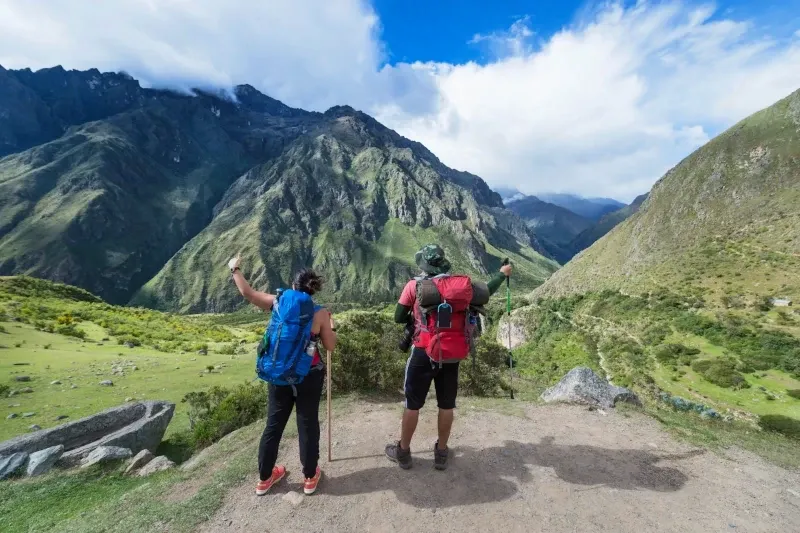
Time to Hike: Preparing for Your Journey
Understanding the Inca Trail difficulty helps in preparing for the trek. It is advisable to train for the physical demands of the hike. Day hikes in your local area can be an excellent way to prepare.
Equally important is learning about the Inca Trail’s cultural significance. This enhances the appreciation of each site along the path. Knowledge of the trail’s heritage makes the journey even more rewarding.
Securing Inca Trail hiking permits early is crucial. Given their limited availability, early booking ensures you don’t miss this incredible experience. This preparation allows for a smooth and enriching trek to Machu Picchu.
Architectural Wonders Along the Historic Trek
The Inca Trail to Machu Picchu is not merely a hike; it’s an exploration of ancient ingenuity. As travelers embark on this historic trek, they witness a series of architectural marvels. Each ruin along the path tells a story, integral to the Inca Trail history and highlights.
One of the first notable sites is Patallacta, overlooking the Cusichaca River. This settlement served as an agricultural hub, showcasing terraces that climb the steep hillsides. Here, travelers see firsthand how the Incas mastered the harsh Andean environment.
Llactapata is another gem, offering a direct line of sight to Machu Picchu Mountain. Its strategic positioning suggests it was both a religious and astronomical observatory. These ruins provide a quiet space to contemplate the journey ahead and the lives of those who once walked these paths.
Unveiling the History of the Inca Trail to Machu Picchu
Further along the trail, Runkuracay emerges at the crest of a steep slope. This small, oval structure likely served as a tambo, or rest stop, for Inca chaskis (couriers). The architectural design here makes it a perfect shelter from the frequent Andean downpours.
The ascent to the highest point of the Inca Trail, is a rigorous test of endurance. It’s not just a physical challenge; the path up offers unparalleled views of the surrounding cloud forests and peaks. The trail here is lined with original stone steps, a testament to Inca engineering.
Descending from the pass, hikers approach Sayacmarca, an inaccessible fortress that commands views over two valleys. This site’s intricate access routes and ceremonial plazas highlight the Incas’ strategic military and religious planning. It’s a profound spot to absorb the majesty and mystery of the Inca civilization.
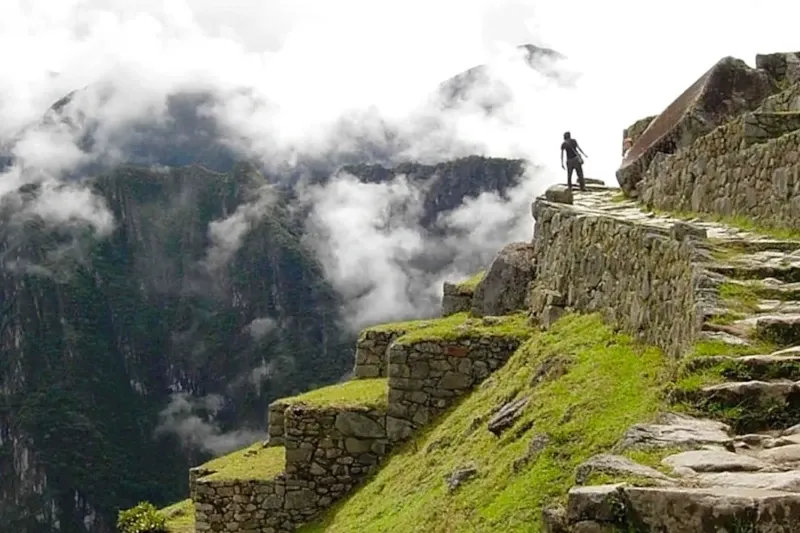
Highlights of the Inca Trail: A Blend of Nature and Architecture
As the trek continues, hikers reach Phuyupatamarca, the “town above the clouds”. This site is renowned for its extensive and still-functioning water channels and baths. The care taken in its construction reflects the Inca’s reverence for water as a life-giving resource.
The journey nears its end as the path winds down to Wiñay Wayna, another spectacular site that features farming terraces. Its name means “forever young” in Quechua, reflecting perhaps the rejuvenating effect of its beautiful orchid gardens and waterfall views. It serves as the final campsite before reaching Machu Picchu.
Arrival at Machu Picchu occurs at the Inti Punku, or Sun Gate, early in the morning. As the sun rises, it illuminates the iconic features of Machu Picchu, a breathtaking highlight of the Inca Trail. This moment, seeing the citadel sprawled below, is a moving reward for those who hike the Inca Trail.
Travelers should note the physical and environmental demands of the Inca Trail hike. Preparation is key to fully enjoy and respect this ancient path. Understanding and appreciating the architectural and cultural heritage along the way enriches the experience immeasurably.
The Inca Trail to Machu Picchu, with its blend of natural beauty and architectural prowess, offers more than just a hike. It is a profound educational experience and a journey that challenges both the body and the mind. Each step on this trail increases one’s respect for the Inca civilization and their legacy on the Andes.
Reaching Machu Picchu: The Final Majestic Ascent
The journey to Machu Picchu via the Inca Trail is an amazing adventure that captivates every hiker’s imagination. This final ascent combines rigorous hiking with awe-inspiring scenery, making it a highlight of the Inca Trail. As one approaches the ancient site, the path becomes a portal back in time.
The last part of the Inca Trail to Machu Picchu is renowned for its dramatic landscapes. Hikers traverse cloud forests and sub-tropical jungles, experiencing a rich biodiversity. Each step brings them closer to understanding the deep connection the Incas had with this land.
Please note the importance of securing Inca Trail permits months in advance. The trail is highly protected to preserve its historical and ecological integrity. Limited access ensures that visitors experience the trail in the most sustainable and respectful manner.
The Intensity and Reward of the Final Climb
The ascent begins at Wiñay Wayna, where hikers catch their first glimpse of Machu Picchu Mountain in the distance. The anticipation builds as the path snakes through lush, mist-covered vegetation. The Inca Trail’s difficulty is evident in the steep, narrow steps that challenge even seasoned hikers.
Reaching Machu Picchu is the culmination of a spiritual and physical journey. Many describe the experience as transformative that blends intense physical challenge with deep cultural immersion.
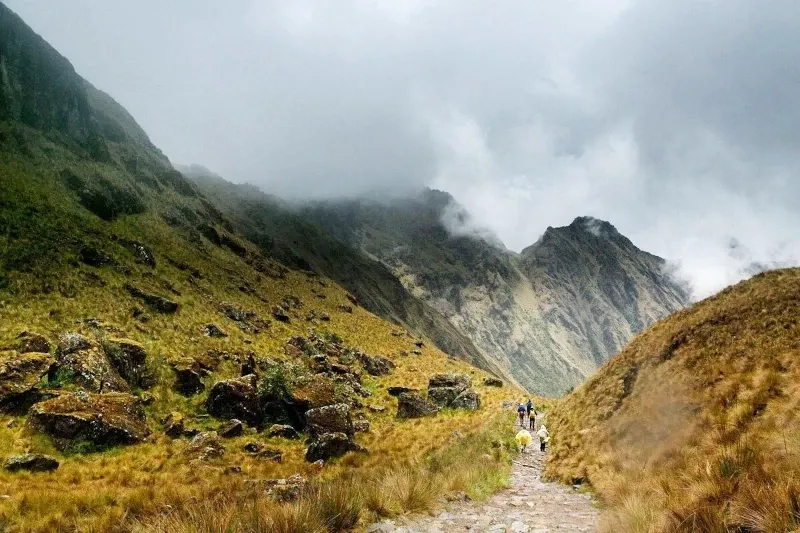
Navigating the Trail: Preparation and Perseverance
Preparation is crucial for those planning to hike the Inca Trail. Understanding the trail’s difficulty helps hikers ready themselves for the physical demands. Regular training, focusing on cardio and strength, can make the journey more enjoyable.
Travelers must also familiarize themselves with Inca Trail culture. This enhances the hiking experience, providing a richer context to the surroundings. Guides along the trail often share insights into the history and significance of the sites encountered.
It is essential to check the availability of Inca Trail permits well before planning the hike. Since the trail is closed during February for maintenance, planning around this month is necessary. This closure helps preserve the trail for future generations.
Essential Tips for the Trail
Weather on the Inca Trail can be unpredictable, with sudden changes that can affect visibility and trail conditions. Therefore, packing appropriate gear is critical. Waterproof clothing and good hiking boots are must-haves.
Hydration and acclimatization to altitude are also vital. Travelers should spend a few days in Cusco or similar elevations to adjust to the altitude. This preparation reduces the risk of altitude sickness, which can impede the ability to hike effectively.
Finally, remember that the Inca Trail is a historical site. Respecting the environment and adhering to the guidelines set by authorities ensures its preservation. This respect reflects the reverence the Incas had for these mountains.
Arriving at Machu Picchu after hiking the Inca Trail is an achievement that resonates on many levels. It combines physical endurance, emotional exhilaration, and a deep cultural appreciation. This journey offers more than just scenic views; it provides a profound understanding of the Inca civilization.
This final ascent is not just about reaching a destination, it is about a challenging journey that changes you. The highlights of the Inca Trail culminate in this majestic arrival. It will make every step along the way a cherished memory.
The experience of reaching Machu Picchu is a powerful feeling. This proves the enduring spirit of the Inca Trail and its travelers.
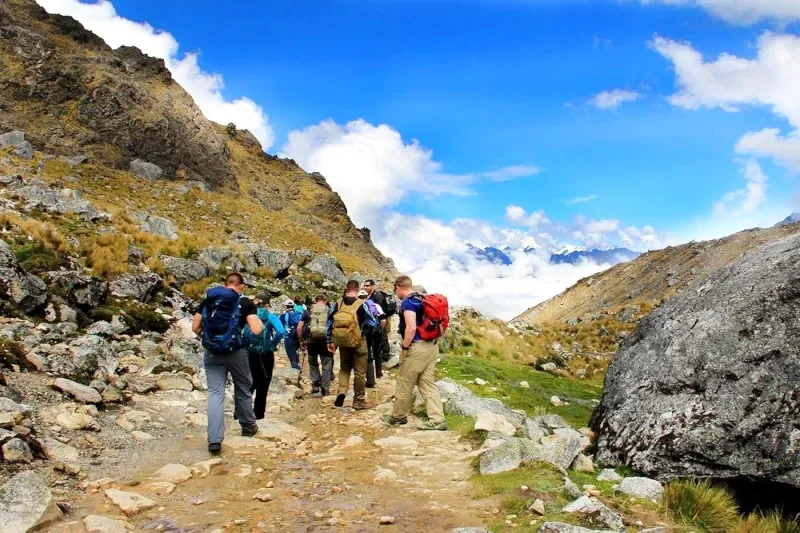
Reading Inca stonework: what the ruins on the trail tell you
The sites strung along the trail were not way stations by accident. Each one marks a change in altitude, ecosystem or administrative territory, and the quality of the stonework tells you how important the place was.
Runkurakay, the round structure below the second pass, is usually read as a checkpoint controlling movement along the route.
Sayacmarca sits on a spur reached by a single steep stair, a defensive position with ritual space attached.
Phuyupatamarca, the town above the clouds, has a chain of fountains that still runs, fed by a channel cut into the hillside centuries ago.
Winay Wayna, the last major site before Machu Picchu, combines steep agricultural terraces with fine ceremonial masonry and is the most complete of them all.
The pattern to look for is simple: rough field stone for storage and housing, tightly fitted ashlar for anything ceremonial. The change in technique is a change in purpose.
Sacred geography: why the route runs where it does
The trail is not the shortest way to Machu Picchu. It is a pilgrimage route, and its detours are deliberate.
Mountains were apus, protective deities, and the path repeatedly opens views towards specific peaks rather than avoiding the climbs.
Water sources are marked by fountains and channels because springs held ritual value as well as practical use.
The sequence of passes and descents reproduces a movement between ecological levels that Andean thought treated as meaningful, not merely topographic.
Understanding that changes how the walk feels: the hardest sections are where they are for a reason.
From Cusco to the Sun Gate: how the route unfolds
The trek begins at Km 82 in the Sacred Valley, reached by road from Cusco, at around 2,700 metres.
The first day is a gradual climb along the Urubamba, the gentlest of the four, used mainly to settle into the altitude.
The second day crosses Dead Woman's Pass at roughly 4,215 metres, the highest and hardest point of the route.
The third day is the longest but also the most rewarding, with two more passes, cloud forest and the best concentration of ruins.
The fourth begins before dawn to reach Inti Punku, the Sun Gate, and the first view of Machu Picchu from above.
Arriving on foot through that gate rather than by bus is the entire point of the classic route, and it is what no alternative trek can reproduce.