


 EN
EN ES
ES FR
FRCusco and Machu Picchu work far better with children than most parents expect. What catches families out is not the ruins: it is the altitude, the early starts and the distances between sites.
This guide is built around those three problems, with what actually works for children of different ages. Reviewed August 2026.
Altitude: the one thing to plan around
Cusco sits at about 3,400 metres. Children generally acclimatise well, but they are less likely to tell you clearly that something is wrong.
Watch for irritability, loss of appetite, poor sleep and headache during the first 48 hours. Those are the usual signs in younger children.
The most effective move is counterintuitive: sleep lower. Spend the first two nights in the Sacred Valley, at Urubamba or Ollantaytambo, around 2,800 metres, and visit Cusco afterwards.
Keep the first day genuinely quiet, push fluids, and avoid heavy meals in the evening.
Consult your paediatrician before travelling, particularly for children under two or with respiratory conditions. Altitude advice for children is not the same as for adults.
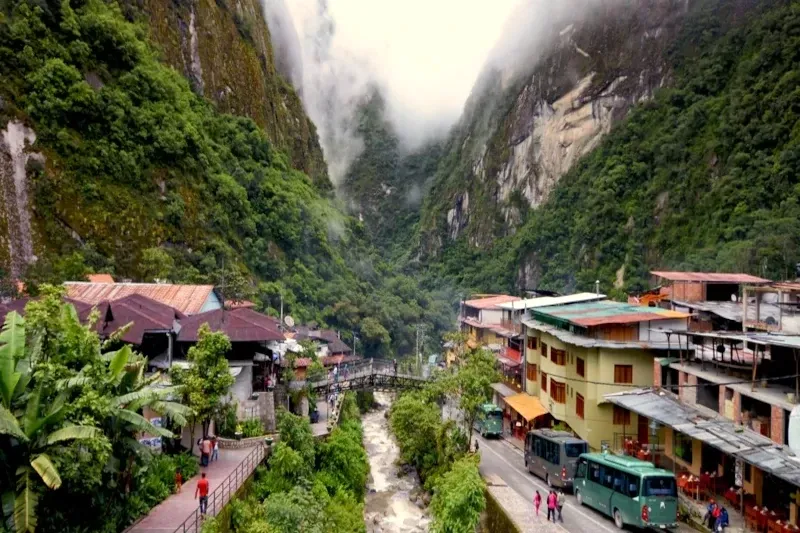
Which ages suit what
Under five, the trip works if you slow it right down: the Sacred Valley, short site visits and plenty of open space. A carrier is more useful than a pushchair on cobbled streets.
From six to nine, most sites become genuinely interesting: Sacsayhuamán, Maras, Moray and the animals at every turn. Full-day tours are usually too long.
From ten upwards, families can consider the two-day Short Inca Trail, which many children of that age complete without difficulty.
Teenagers can manage the classic four-day Inca Trail, and operators run it regularly for families, with a horse available on alternative routes.
Machu Picchu itself, with children
The citadel has a fixed circuit system with assigned entry times, so you cannot wander freely or double back. Choose a circuit and time when planning, not on the day.
There are no toilets inside and no food is allowed, so plan the stop before entering. That single detail causes most family stress.
Large backpacks are not permitted, and neither are pushchairs on most of the site. Baby carriers are the practical solution.
Consider the first entry slot: cooler, quieter and better for children who fade in the afternoon.
Two to three hours inside is plenty with young children. Trying to see everything is how a good day turns bad.
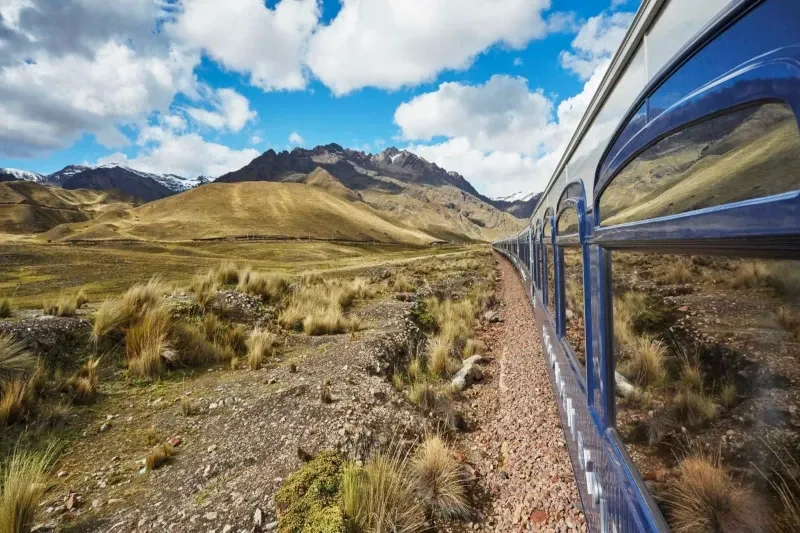
Getting around without exhausting everyone
The train to Aguas Calientes is a highlight in itself, with big windows and a journey short enough to hold attention.
Remember the strict hand-luggage limit on the train: one small bag per passenger. Leave the rest at the hotel.
Road transfers in the Sacred Valley are winding. If anybody in the family gets carsick, sit in front and travel with something to nibble.
Private transport costs more but buys flexibility, which with children is usually worth the difference.
Food, sleep and practical details
Peruvian food is generally an easy sell with children: rice, potatoes, grilled chicken, soups and fresh juices are everywhere.
Stick to bottled or boiled water, and be careful with raw salads and street food during the first days.
Bring the medicines you normally use at home, including something for fever and for upset stomachs, since brands differ here.
Warm layers matter more than you think: the temperature drops sharply after sunset, even in the dry season.
High-factor sun protection and hats are essential. UV levels at this altitude are severe, and children burn faster.
A realistic seven-day plan
Days one and two: arrive and sleep in the Sacred Valley. Gentle walks, a market, no set schedule.
Day three: Maras salt pans and Moray, both short visits with plenty of visual interest for children.
Day four: Ollantaytambo, then the train to Aguas Calientes and an early night.
Day five: Machu Picchu on the first slot, back down for lunch, train and transfer.
Days six and seven: Cusco, now properly acclimatised. San Blas, the San Pedro market and Sacsayhuamán, which is the site most children enjoy most.
Build in one completely free day. With children, the day you leave empty is the one that saves the trip.