


 EN
EN ES
ES FR
FRIn the heart of the Andes, where the mountains touch the sky and the fertile soil tells ancient stories, one of Peru’s most representative treasures is born: the potato. This humble tuber, domesticated over 8,000 years ago, is not only an essential ingredient in Peruvian cuisine, but also a symbol of cultural identity. With over 3,000 varieties registered, Peruvian potatoes represent a biological wealth that is unique in the world.
Why does Peru have so many varieties of potatoes?
Peru’s geography offers diverse microclimates ideal for potato cultivation, from the coast, to the jungle to the Andes. Andean communities have also practiced traditional and sustainable agriculture for generations, preserving native varieties that today constitute a food heritage of incalculable value.
Main types of Peruvian potatoes
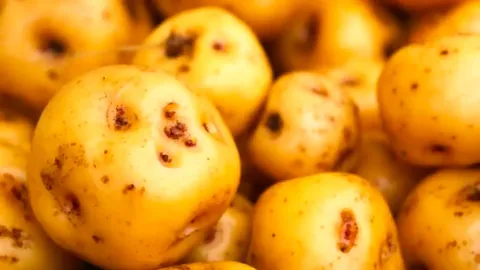
1. Yellow Potato
With a smooth texture and buttery flavor, it is the queen of many Peruvian cuisines. Ideal for mashed potatoes, causa and stuffed potatoes. The yellow potato melts in your mouth and provides a unique creaminess.
2. Papa Huayro
With purple or pink skin and firm flesh, it’s perfect for boiling or preparing in stews. It’s highly prized in the central region of the country for its intense flavor.
3. Papa Canchán (Pink)
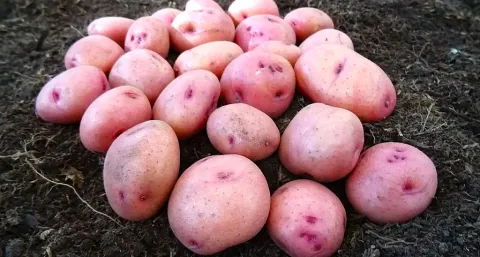
With pink skin and white flesh, this variety is very common in markets. It adapts well to any type of cooking: fry, boil or bake.
4. Peruvian Potato
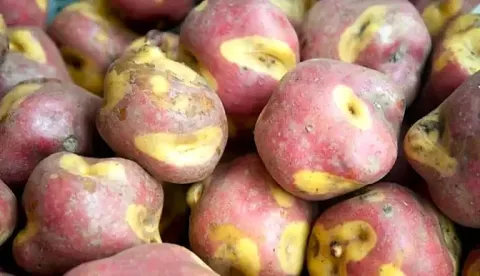
With its two-tone skin (yellow with reddish spots), it is one of the most striking potatoes. It is mainly used boiled or in steamed dishes, ideal for traditional accompaniments.
5. Andean Black Potato
With a dark skin and white flesh, it grows at high altitudes. Its flavor is strong and it is used in typical dishes such as carapulcra and in thick soups.
6. Papa Moray or Native Multicolor
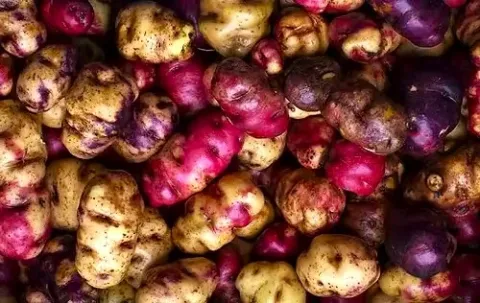
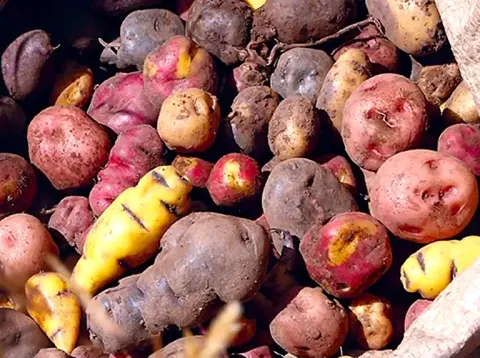
These potatoes can be purple, blue, red, or even marbled. They are the oldest and most nutritious, and are often used in gourmet dishes and tastings for their presentation and earthy flavor.
7. Chuño
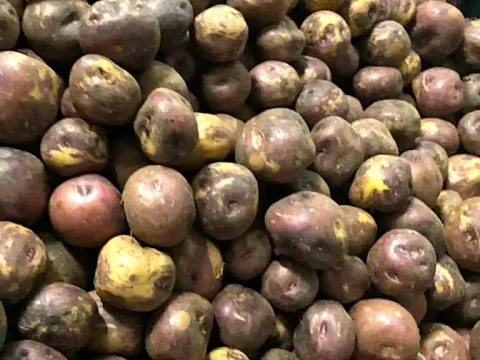
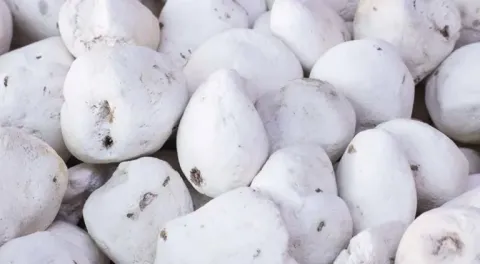
It is not a variety in itself, but a dehydrated potato. This is created using the ancestral conservation technique of the potato, of dehydrating it in the sun and freezing it on Andean nights. Chuño is used in soups such as chuño broth or chuño lawa.
8. Oca, Mashua y Ulluco
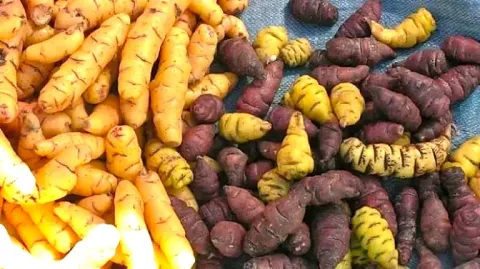
Although they aren’t strictly speaking potatoes, these Andean tubers are often confused with them and are also part of our food heritage. They are prepared boiled, in stews, or even in desserts.
The potato in Peruvian gastronomy and culture
Potatoes are not only present in typical dishes, but also in celebrations such as National Potato Day (May 30) and food fairs that promote responsible consumption and the conservation of native varieties.
In addition, farmers in high Andean communities continue to use traditional methods such as seed exchange and terraced cultivation, which guarantees biodiversity and respect for the land.
Nutritional benefits of Peruvian potatoes
- Rich in complex carbohydrates and fiber.
- Source of vitamin C, potassium and antioxidants.
- Some native varieties have high anthocyanin content and flavonoids, especially those with purple or blue skin.
Where to try these potatoes?
Many gourmet restaurants In Lima and other Peruvian cities incorporate native potatoes in their menus. You can also find them in local markets like San Pedro in Cusco, where you can enjoy unique and authentic flavors.
Conclusion
The diversity of Peruvian potatoes is not only a testament to the country’s agricultural wealth, but also an invitation to explore flavors, colors, and textures found nowhere else in the world. With each bite, you honor a millennia-old history of tradition and respect for the land.