


 EN
EN ES
ES FR
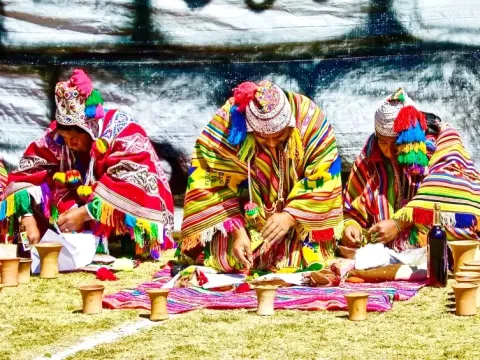
FRDeep within the Peruvian Andes, a millennial culinary tradition remains alive: the Pachamanca. More than a dish, it is an ancestral ceremony that unites earth, fire, community, and flavor. Its name comes from Quechua: “pacha” (earth) and “manka” (pot), which literally means “earth pot.” This Andean banquet not only delights the senses but also connects those who prepare it with their cultural and spiritual roots.
What is Pachamanca?
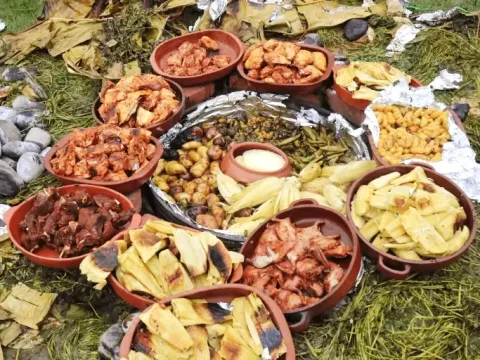
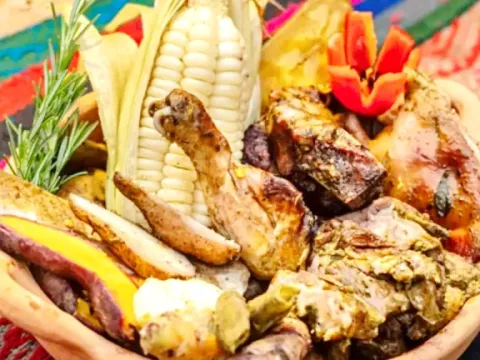
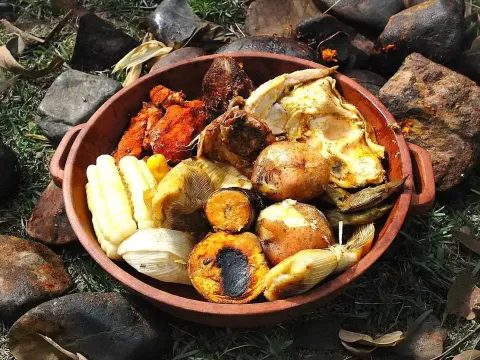
Pachamanca is a traditional Andean cooking technique that involves cooking meats, potatoes, fava beans, corn, and other ingredients underground, using volcanic stones heated red-hot. This technique has more than 2,000 years of history and is considered a cultural heritage of Peru.
Key Ingredients:
- Various meats (chicken, pork, lamb, and guinea pig)
- Andean potatoes and ocas
- Huacatay leaves (typical aromatic herb)
- Green fava beans, yuca, and sweet potato
- Choclo (Andean corn)
- Aji peppers and natural seasonings
Preparation: A Ceremony of Respect
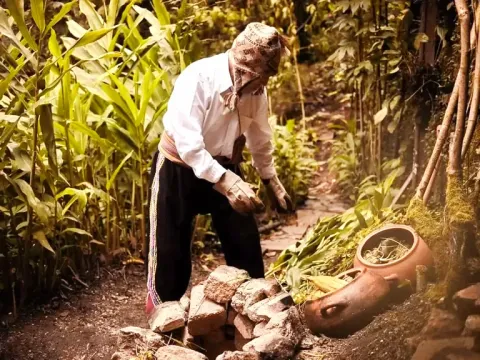
The process begins with gathering firewood and stones. The stones are heated for hours until they reach an extreme temperature. Then they are placed in a hole dug in the earth, where they are alternated with the food wrapped in banana or corn leaves.
Everything is covered with earth, sealing the heat inside. After approximately two hours, the hole is uncovered, releasing an unmistakable aroma that marks the essence of this delicacy.
Cultural and Spiritual Significance
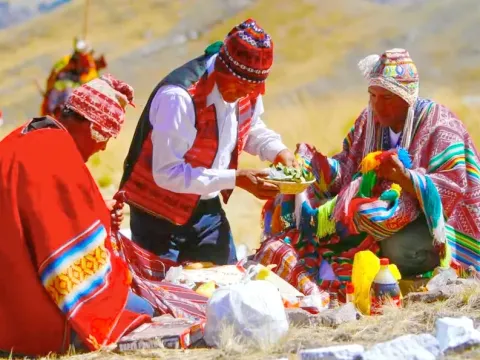
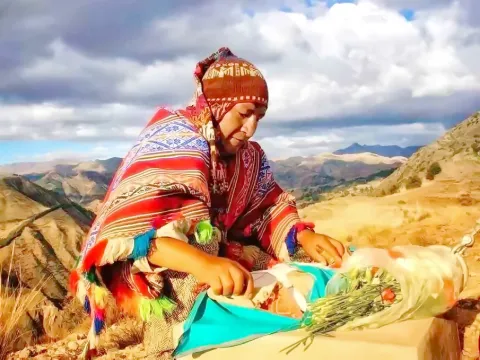
Pachamanca is not just food; it is a ritual of gratitude to Pachamama (Mother Earth) for her fruits. It is usually prepared during traditional festivals, weddings, and harvests, where collective work strengthens community ties.
Regions where Pachamanca is Celebrated
Although it is mainly associated with the Mantaro Valley (Junín), it is also found in regions such as:
- Huancavelica
- Ayacucho
- Cusco
- Ancash
- Apurímac
Each region contributes its style, varying ingredients and preparation methods, but always preserving respect for the earth.
Where to Eat a Good Pachamanca?
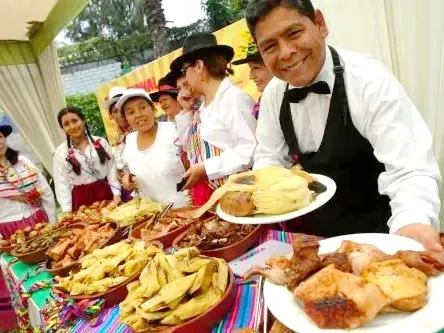
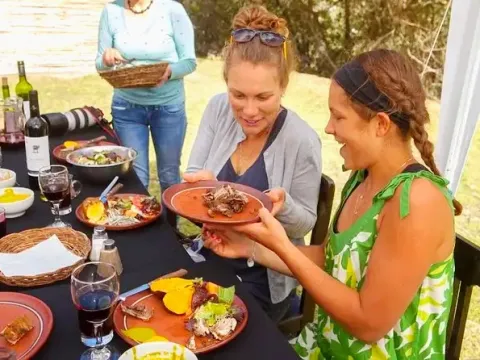
Currently, many typical Peruvian food restaurants offer oven-baked or pot-cooked versions of Pachamanca. However, to experience the authentic experience, nothing beats participating in a traditional-style pachamanca, in the Andean countryside, surrounded by music, dance, and community.
Gastronomic Tourism: A Feast for Travelers
Thanks to the boom in gastronomic tourism in Peru, more and more visitors are seeking to live this unique experience. Culinary tours include collective preparation, tasting, and even basic Quechua lessons to understand the spiritual dimension of the feast.
Pachamanca and Peruvian Identity
More than a dish, Pachamanca is a symbol of identity, resistance, and cultural pride. It is a living heritage that reminds us that the best cuisine is one that respects nature and honors traditions.
Conclusion
The Peruvian Pachamanca not only satisfies the appetite but also the soul. It is a fusion of flavors, history, and spirituality, deserving a privileged place at the table and in the hearts of those who seek to understand Peru from its deepest essence.
Where to Eat Pachamanca Near Cusco
This is the question most travellers actually ask, and the honest answer is that pachamanca is not everyday restaurant food. A true pachamanca takes hours to cook and is made for a group, so you will rarely find it on a weekday lunch menu in the city centre. Knowing where and when to look makes all the difference.
- Countryside restaurants (recreos campestres). On the outskirts of Cusco and throughout the Sacred Valley, around Urubamba and the surrounding countryside, family-run places specialise in Andean feasts. They are your most reliable option, and they are busiest at weekends.
- Community and rural tourism experiences. The most authentic version is the one cooked underground in an Andean village, often as part of a visit where the family prepares it with you. This is pachamanca as a ceremony, not just a meal.
- Festivals and harvest celebrations. During community festivities and the harvest season, pachamanca appears naturally as part of the celebration.
The practical rule: aim for a weekend, and ask in advance. The underground version almost always needs to be arranged beforehand, because someone has to heat the stones and dig the oven hours before you eat.
Pachamanca en Tierra vs. a la Olla: Know What You Are Ordering
Two very different things share the same name on Peruvian menus, and it is worth asking which one you will be served:
- Pachamanca en tierra (in the earth). The authentic method described above: hot volcanic stones, an underground oven, aromatic leaves. Smoky, earthy and ceremonial. Needs hours and a group.
- Pachamanca a la olla (in the pot). A restaurant adaptation cooked above ground with the same seasonings and ingredients. Perfectly tasty and far easier to find midweek, but it lacks the smoke and the aroma of the earth oven.
Neither is wrong, but if you have travelled to Peru for the real experience, say clearly that you are looking for pachamanca en tierra.
Tips Before You Go
- Book ahead for the underground version, ideally a day or more in advance.
- Go hungry. Portions are generous and communal: several meats, Andean potatoes, fava beans, corn and humitas all arrive together.
- Vegetarians can enjoy it too. The potatoes, ocas, fava beans, corn and humitas cook in the same oven; ask for a plate without meat.
- Allow two to three hours. The unearthing is part of the ritual, and rushing it misses the point.
- Altitude tip: it is a heavy meal. If you have just arrived in Cusco, give yourself a day to acclimatise first.
Frequently Asked Questions
Where can I eat pachamanca near Cusco?
Your best options are the countryside restaurants around Cusco and the Sacred Valley, or a community tourism experience in an Andean village. Weekends offer the widest choice.
Is pachamanca available every day?
Rarely. The underground version is prepared for groups and usually needs to be arranged in advance. The pot version is easier to find on ordinary weekdays.
What is the difference between pachamanca en tierra and a la olla?
En tierra is cooked underground with fire-heated volcanic stones and aromatic leaves; a la olla is cooked in a pot above ground. Same flavours, very different experience.
What does pachamanca taste like?
Smoky and herbal. The huacatay and the hot stones give the meats and potatoes an earthy aroma you cannot reproduce in a conventional oven.
Is there a vegetarian pachamanca?
Yes in practice: potatoes, ocas, sweet potato, fava beans, corn and humitas are all cooked in the same oven and make a complete meal on their own.
How long does pachamanca take to cook?
Roughly two hours underground, plus the time needed to heat the stones beforehand.
Explore the Peaks and the Enigmatic Charm of Peru
Your adventure begins with every step! At Xtreme Tourbulencia, a local operator in Cusco since 1998, we can build a pachamanca into your Sacred Valley or community tourism day so you experience it the way it is meant to be: cooked in the earth and shared with the family that prepared it. Tell us your dates and we will arrange it.