


 EN
EN ES
ES FR
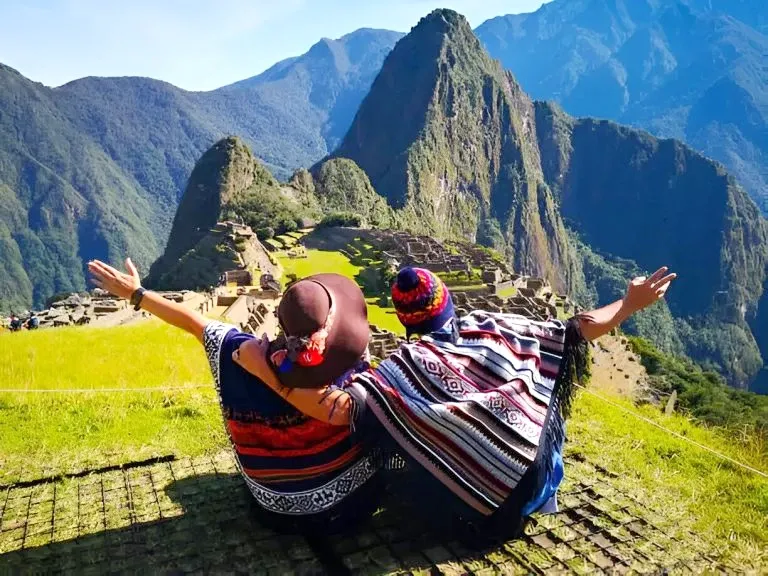
FRTraveling to Cusco, the historic capital of Peru, is an unforgettable experience. Its landscapes, its people, its history, and, above all, its iconic destinations such as Machu Picchu, the Mountain of Colors (Vinicunca) or the Sacred Valley of the Incas, make it a jewel of world tourism. However, its altitude (3,399m above sea level) can pose a significant physical challenge for some visitors: the dreaded altitude sickness, also known as soroche.
In this guide, we explain how to prevent it, what to do if it occurs, and how to enjoy your tours without incident. We also tell you which routes experience altitude sickness most frequently, so you can take precautions when planning your trip.
What is altitude sickness and what are its symptoms?
Altitude sickness, also known as soroche, is a common condition that affects many people in places above 2,500 meters above sea level. Cusco, for example, is located at 3,399 meters above sea level, which causes some travelers to experience this discomfort during the first hours or days.
The most frequent symptoms include:
- Throbbing headache
- Dizziness or feeling of vertigo
- Nausea and loss of appetite
- General fatigue or weakness
- Difficulty sleeping
- Rapid breathing or shortness of breath
- In more severe cases, vomiting or disorientation



Although symptoms are usually mild and temporary, it is important to pay attention from day one to avoid complications.
Where is altitude sickness most common?
Soroche, or altitude sickness, can occur starting at 2,500 m above sea level, but it intensifies at higher altitude. Many of the famous routes around Cusco ascend to higher altitudes such as:
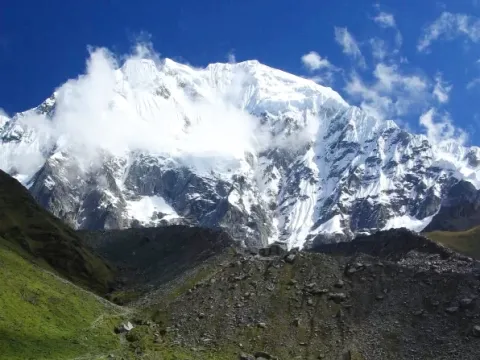
Salkantay Trek to Machu Picchu, one of the most intense routes, reaches 4,650 m.
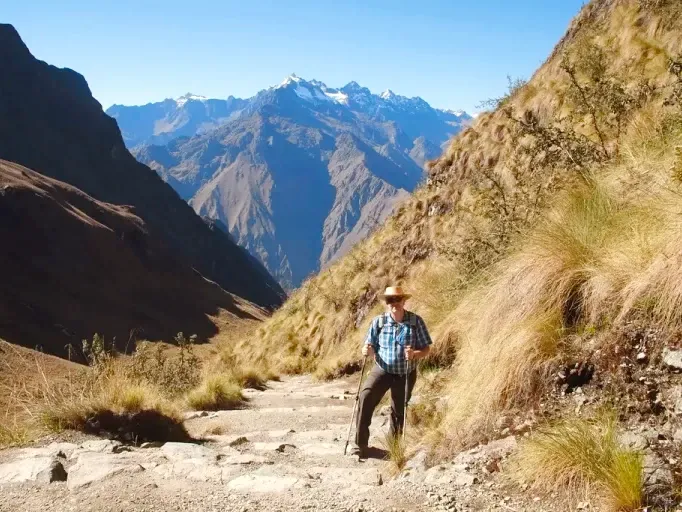
Inca Trail to Machu Picchu, Dead Woman’s Death (4,215 m)
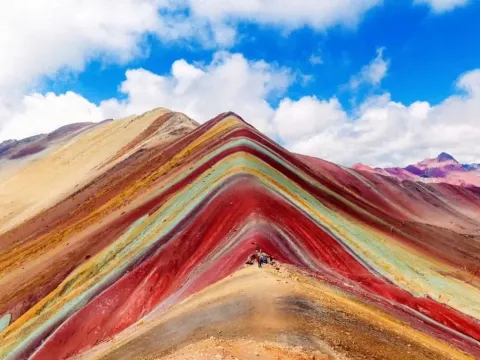
Mountain Mountain (Vinicunca), located at more than 5,000 m., is one of the places where altitude sickness affects visitors the most.
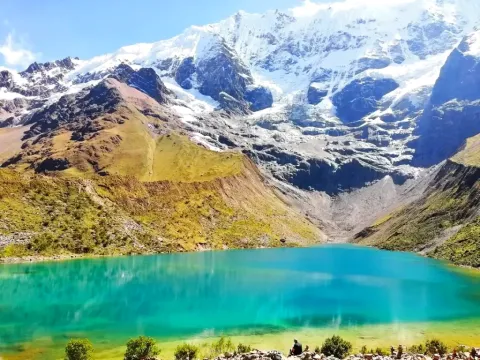
Humantay Lake (4,200 m), part of the Salkantay trek, the ascent is short but very steep.
All of these routes require prior aclimatization in order to give your body time to adjust to the higher atitude.
Practical tips to avoid altitude sickness in Cusco
The good news is that you can prevent altitude sickness by following a few simple recommendations before and during your visit:
1. Acclimatize calmly
Avoid strenuous physical activity on the first and second day. Take gentle tours such as City Tour Cusco or a light walk through the historic center to allow your body to adapt.
2. Hydrate yourself constantly
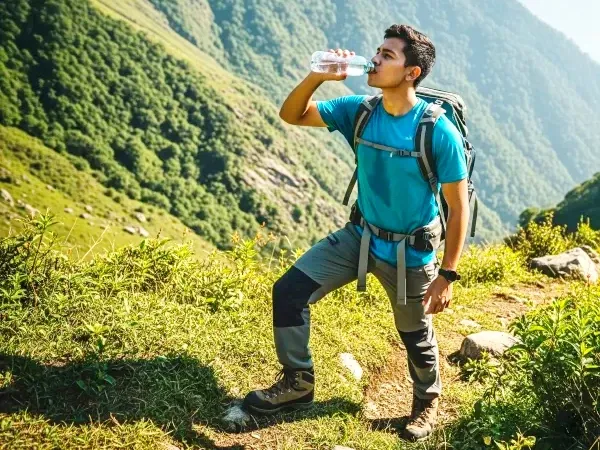
Drinking plenty of water helps oxygenate your body better. Avoid alcoholic or caffeinated beverages for the first 48 hours.
3. Drink Andean infusions
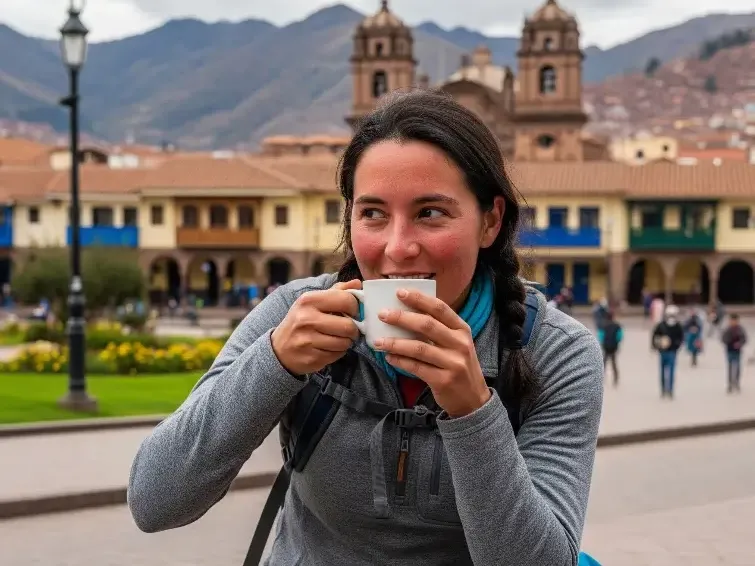
The coca mate, or coco tea, and la muña, or muña tea, are traditional drinks that help relieve the symptoms of altitude sickness and improve digestion at high altitude.
4. Eat light
Choose bland foods, such as soups and fruits. Avoid heavy or highly seasoned foods that can make digestion difficult.
5. Sleep well
Getting a good night’s sleep allows your body to adapt more quickly to the altitude. Wear warm clothing at night, as temperatures in Cusco can drop significantly.
6. Use supplemental oxygen if available
Many hotels and tour operators, like our agency, have portable oxygen for rapid assistance in case of severe symptoms.
7. Plan your tours wisely
Start with lower altitude tours and leave the more demanding excursions such as Rainbow Mountain, Humantay Lagoon or the Inca Trail for the last few days of your itinerary.
Remember to acclimate in Cusco to avoid altitude sickness and hydrate constantly. It is recommended to spend at least two days in Cusco before going on a more strenous trek such as the Inca Trail to Machu Picchu.
Conclusion
Altitude sickness shouldn’t be an obstacle to enjoying Cusco and its wonders. By following these tips and planning well, you can have a safe, comfortable, and enriching experience.
At Xtreme Tourbulencia, we make sure to provide you with the right support, itineraries tailored to your pace, and assistance at all times so you can discover the Andes with peace of mind and good health.
Cusco awaits you with open arms, and we’ll help you enjoy it to the fullest!