


 EN
EN ES
ES FR
FRThe Andean condor, a majestic bird emblematic of South America, is much more than a symbol on shields and coins. It is a living witness to the natural history of the continent, the protagonist of ancestral legends and a key player in mountain ecosystems. In this article we explore the legend of the condor, its biological characteristics and the best places to see it.
The Andean Condor: A Mythical Bird
In the indigenous cultures of the Andes, the condor represents strength, wisdom, and freedom. For the Quechua and Aymara peoples, this bird is a messenger from the world of the gods. It is said that when a condor flies high, it carries the prayers of humans to heaven. His image is synonymous with spiritual power and respect for nature.
Characteristics of the Andean Condor
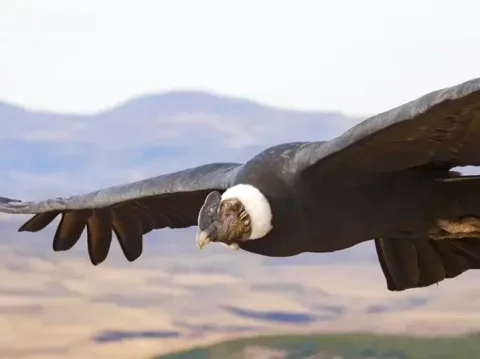
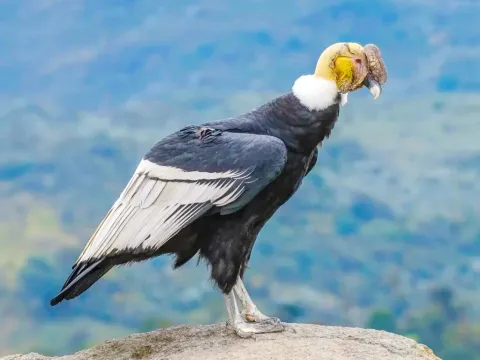
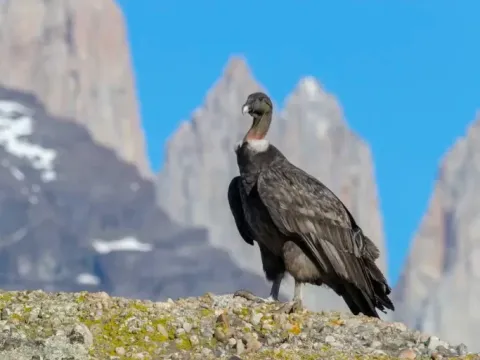
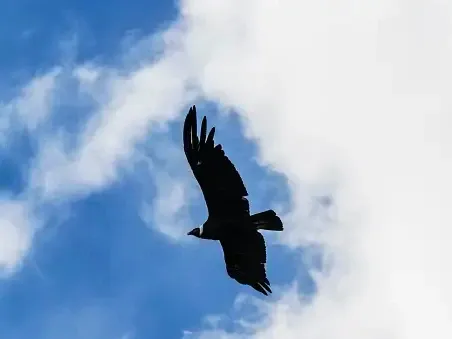
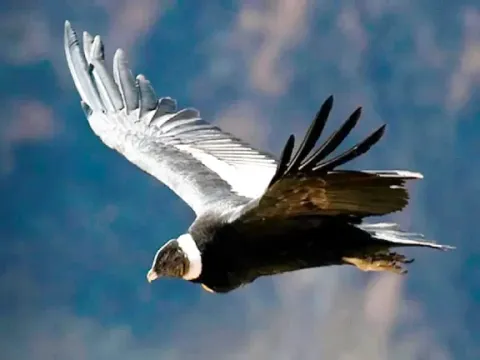
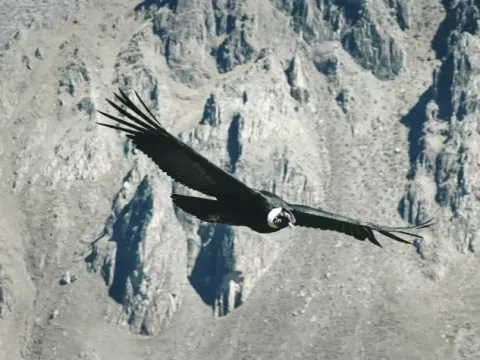
The Vultur gryphus, the scientific name of the Andean condor, is one of the largest flying birds in the world. It can reach a wingspan of up to 3.3 meters and weigh between 8 and 15 kg. Its black plumage with white details on the wings and a distinctive white collar on the neck make it unmistakable.
Although it is a scavenger bird, it serves a vital function in ecosystems: cleaning the remains of dead animals and thus preventing the spread of diseases. Its longevity is also impressive, it can live for more than 60 years in the wild.
Conservation Status
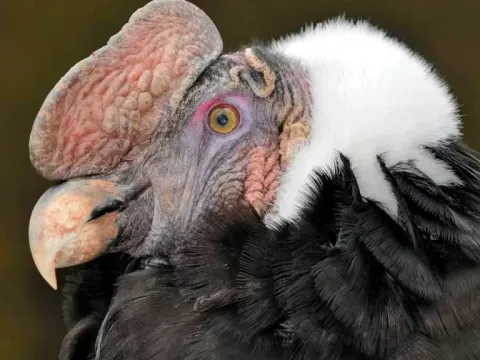
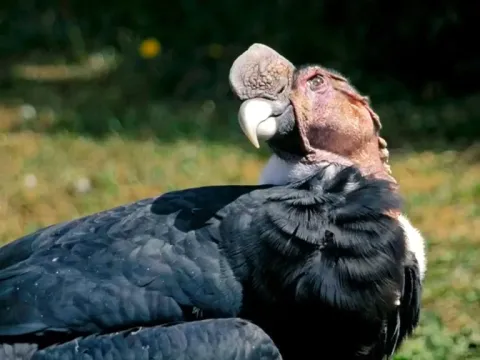
Currently, the Andean condor is listed as a vulnerable species according to the IUCN. Poaching, poisoning by toxic bait and habitat loss are its main threats. A number of countries have implemented conservation programs, including captive breeding and release into protected areas.
Best Places to See Condors in the Wild
If you want to see a condor in its natural environment, these destinations are ideal:
- Colca Canyon, Peru
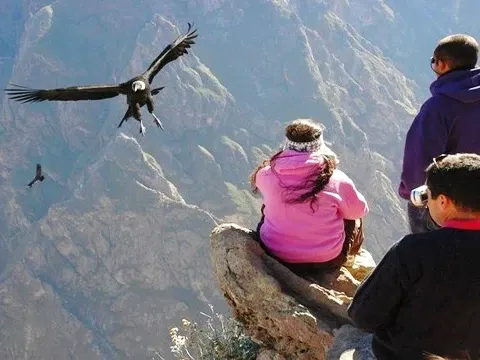
Considered one of the best places in the world to observe condors. At dawn, these birds emerge from the canyon and glide over the cliffs.
2. Torres del Paine National Park, Chile
In addition to condors, this park offers breathtaking views of Patagonia. The area is a natural habitat for several species of birds of prey.
3. Los Glaciares National Park, Argentina
Near the Perito Moreno glacier, condors are often seen gliding over snow-capped mountains.
4. Ecuador – Cotopaxi National Park
The Ecuadorian Andean region is home to one of the smallest but significant populations of Andean condors.
5. Sierra Nevada de Santa Marta, Colombia
A lesser-known place but very rich in biodiversity. Here, the condor coexists with indigenous communities that consider it sacred.
How to Spot Condors Responsibly?
- Visit protected areas and respect the park’s rules.
- Use binoculars instead of getting too close.
- Do not feed birds or leave garbage.
- Hire certified guides who promote ecotourism.