

 EN
EN ES
ES FR
FRMachu Picchu seems like something out of a dream. Its ancient Inca ruins, perched high in the Peruvian Andes, exude a magic that transcends time and history. However, as with any great adventure, choosing the ideal time to visit Machu Picchu can significantly enrich your experience.
Would you like to know what the weather is really like in Machu Picchu? What is the best time of year to visit? Or which month will make your trip unforgettable? While any day may seem ideal for contemplating the grandeur of this Inca citadel, each season presents its own unique charm.
In this blog, we’ll explore how each month reveals a different aspect of this historical and natural treasure. Join us as we unravel the mystery of when might be the perfect time for your visit to Machu Picchu.
How to choose the best time to visit Machu Picchu
When planning your visit to Machu Picchu, it’s essential to consider several factors that will affect your experience, such as weather conditions, the number of tourists, and your individual preferences. Below are some recommendations to help you choose the best time to travel and enjoy this Wonder of the World:
Weather Conditions: The weather is a determining factor when planning your visit to Machu Picchu. The dry season, which runs from May to September, provides sunny days and pleasant temperatures, contributing to a more enjoyable experience. In contrast, frequent rains and high humidity can complicate your visit between October and April, although they also add a mystical charm to the site.
Large number of visitors: Machu Picchu attracts a large number of tourists due to its remarkable popularity. During peak season (June, July, and August), the site can be quite crowded. If you’d like to enjoy a more serene experience, we suggest visiting during the shoulder months (April, May, September, or October), when there are fewer visitors but the weather is still pleasant.
Ticket Reservations: Access is restricted, and tickets to Machu Picchu can sell out quickly, especially during peak periods. It’s essential to plan ahead and secure your tickets if you plan to visit during peak season.
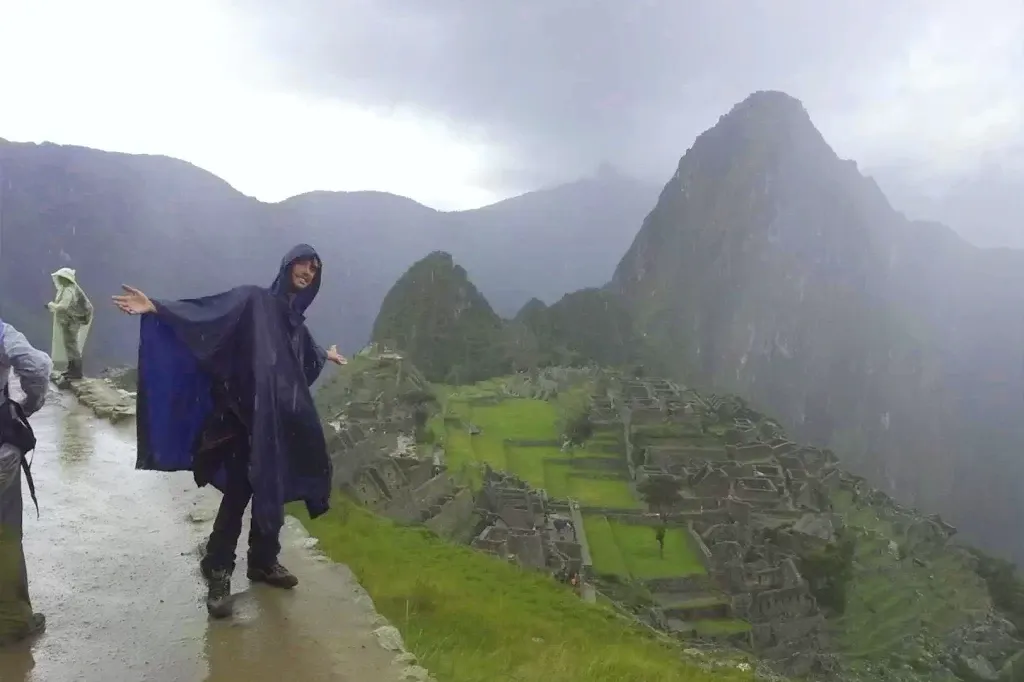
Variable weather: The climate in the Andean region is variable, which means unexpected rainfall can occur even during the dry season. It’s advisable to be prepared with waterproof clothing and have flexible plans to adjust to sudden changes in weather conditions.
Rainy season in Machu Picchu, Peru
The rainy season begins between October and November and lasts until March or April. During this time, rainfall is more common, but the idea of a perpetually gray landscape is incorrect. In reality, rain occurs mainly in the afternoons, leaving clear mornings to enjoy the breathtaking views of Machu Picchu.
January and February can see more continuous rainfall, giving the surroundings a particular charm, as you can see Machu Picchu in more vivid colors. Flowers bloom, and the landscape becomes lush and green.
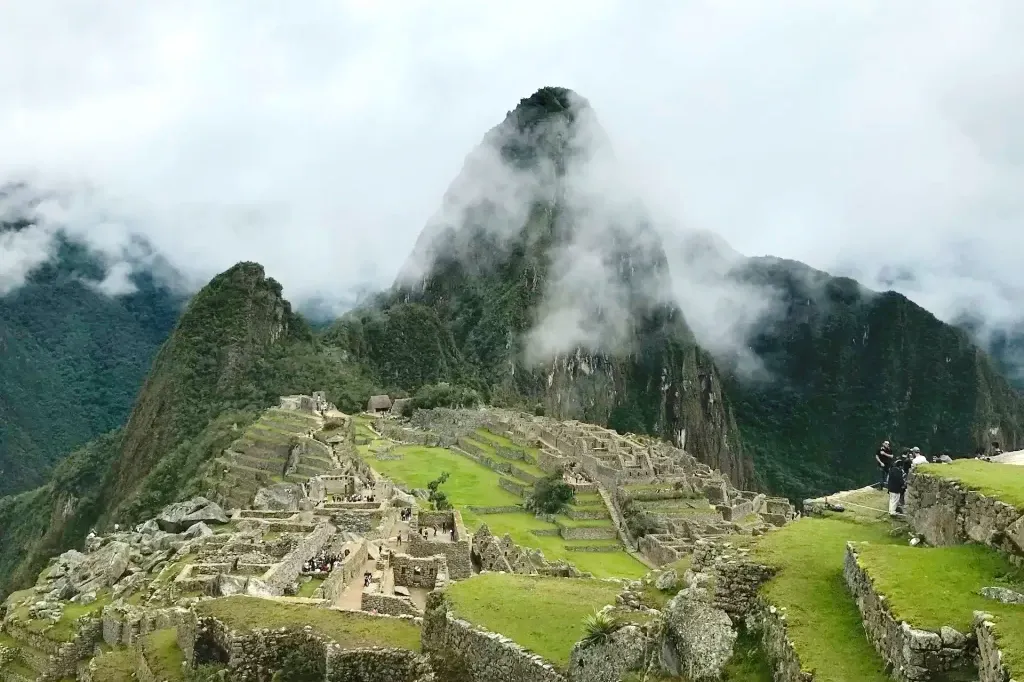
During the rainy season, foggy mornings and rainy afternoons are experienced. Daytime temperatures range between 12°C and 18°C, and nighttime temperatures hover around 10°C. As for nature, this season offers green and humid landscapes, with ruins surrounded by lush vegetation and unobstructed views that highlight architectural details.
In terms of crowds, there are fewer tourists, allowing you to enjoy Machu Picchu more peacefully. Prices for hotels, tours, and services are lower during this time. The experience is described as peaceful and magical, ideal for uninterrupted exploration. It is recommended to wear appropriate waterproof clothing.
This time of year is known as the “low tourist season.” With a decrease in the number of visitors, the experience becomes more serene and peaceful. Furthermore, during this season, you can find cheaper rates on accommodations, excursions, and services, making it an affordable option for travelers.
Dry Season in Machu Picchu
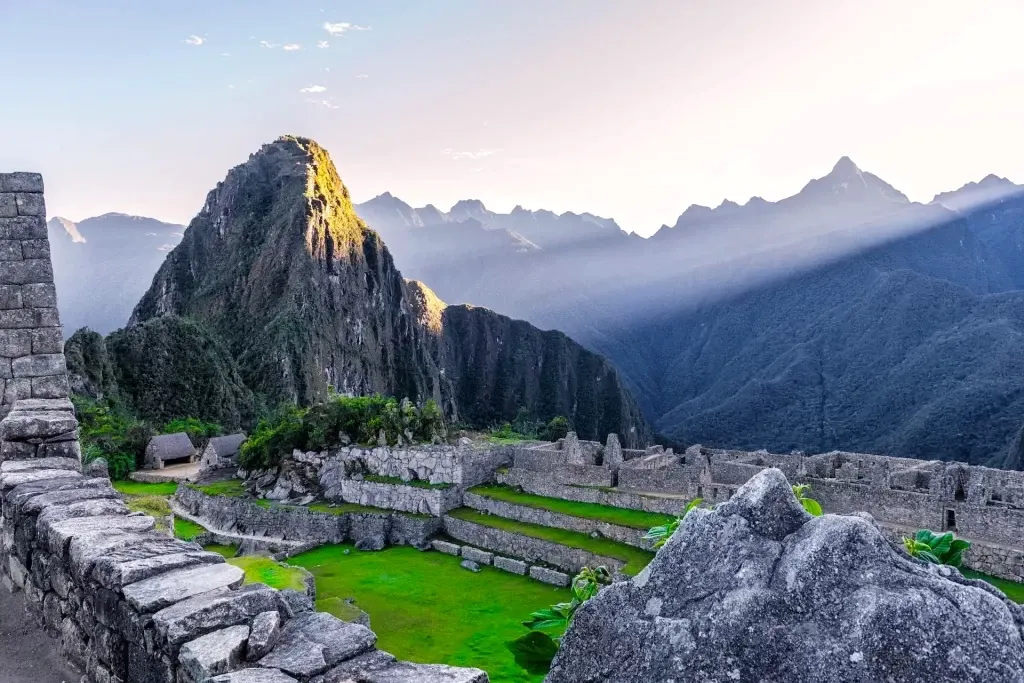
In contrast, the dry season is characterized by clear skies and a low chance of rain. Daytime temperatures range between 18°C and 22°C, and nighttime temperatures are close to 6°C. As for nature, the ruins contrast with the blue sky. The dry season attracts more visitors, especially between June and August.
The costs of hotels, tours, and services may be higher. The experience offered is more predictable and sunny weather. It is recommended to bring sunscreen along with light, warm clothing.
When is the best time to visit Machu Picchu?
Machu Picchu is located in a transition zone between the Andes and the Peruvian Amazon rainforest, giving it a variety of microclimates and weather conditions that can change throughout the day. Throughout the year, Machu Picchu has a warm climate, although it can also be humid and rainy.
This site of great historical and cultural significance attracts visitors year-round, both during the rainy and dry seasons, with thousands of local and international tourists marveling at this magnificent archaeological citadel.
Additionally, it’s important to consider the weather in Cusco, the closest city to this impressive Inca structure, where most tourists stay to explore other attractions.
Therefore, it’s advisable to be prepared for the city’s variable weather conditions. Below is a month-by-month breakdown of the weather in Machu Picchu.
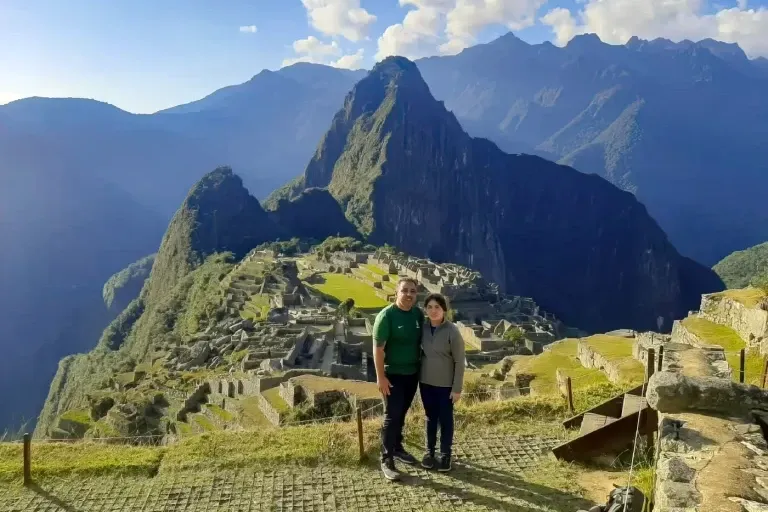
Ideal Months to Visit Machu Picchu (Dry Season):
- April: Marks the beginning of the dry season. Rainfall is less frequent, and the landscape can still be green. It’s a good time, with fewer crowds than during peak months. No festivities in Cusco are directly related to Machu Picchu in April.
- May: Considered one of the best months. The days are sunny and the temperatures are pleasant. Tourist numbers are moderate. There are no festivals in Cusco directly related to Machu Picchu in May.
- June: This is a very popular month due to Cusco’s dry weather and festivities. Temperatures can be chilly at night. Important Holiday: Inti Raymi, or the Festival of the Sun (June 24), is an ancient Inca celebration honoring the sun god. Although the main ceremony takes place in Sacsayhuamán (near Cusco), the festive atmosphere extends throughout the city and highlights the region’s Inca heritage, symbolically connecting it with the importance of Machu Picchu.
- July: The dry season continues with sunny days. It’s high season, so there will be more tourists. Important festival: The Feast of the Virgin of Carmen of Paucartambo (around July 15-18) is a vibrant religious and cultural celebration near Cusco. While not directly about Machu Picchu, it showcases the region’s rich Andean traditions. The Fiestas Patrias del Perú (Fiestas Patrias) (July 28-29) is also celebrated with parades and celebrations in Cusco.
- August: Similar to July in terms of weather and tourist numbers. Sunny days and cool nights. There are no festivals in Cusco directly related to Machu Picchu in August.
- September: The weather remains good, with fewer crowds than during the peak months of June and August. Landscapes may start to look a little drier. No festivities directly related to Machu Picchu are identified in Cusco in September.
- October: Marca la transición hacia la temporada de lluvias. Todavía se pueden esperar días soleados, pero la probabilidad de lluvia aumenta hacia el final del mes. La cantidad de turistas disminuye. No se identifican festividades en Cusco directamente relacionadas con Machu Picchu en octubre.
Months to Consider (Transition or Rainy Season):
- November: The rainy season begins. The likelihood of rain increases, although it’s generally not torrential all day. Fewer tourists and lower prices. No festivities in Cusco are directly related to Machu Picchu in November.
- December: The rainy season is in full swing. Cloudy days and more frequent rain showers. However, the landscapes turn green. Tourists increase during the end-of-year holidays. No festivities directly related to Machu Picchu this month in Cusco
- January and February: These are the rainiest months. Partial or complete trail closures may occur, including the Inca Trail (generally closed in February for maintenance). Tourist numbers are lower. No festivities in Cusco directly related to Machu Picchu in January or February.
- March: The rainy season begins to wind down, but precipitation can still be expected. The landscape is lush. Tourist numbers remain lower than during the dry season. There are no festivals in Cusco directly related to Machu Picchu in March.
The best time to hike in Machu Picchu is during the dry season, which runs from April to October. During these months, the weather tends to be more stable, with less rain and more pleasant temperatures.
This guarantees an ideal hiking experience during your visit to Machu Picchu. The rainy season in Cusco runs from November to March. Although hiking is possible during this period, conditions can be more challenging due to frequent rainfall.
Trails may become slippery, and the landscape may be covered in clouds and fog, which could limit visibility of the region’s impressive views. Additionally, some routes, such as the Inca Trail, may be closed for safety reasons.