


 EN
EN ES
ES FR
FRCarnival celebrations in Cusco are much more than a festival: they are an explosion of color, music, ancestry and community union. Every year this cultural celebration brings together Cusqueños, national and international visitors in a magical mix of typical dances, water games, yunzas (decorated, ceremonial trees) and regional gastronomy.
If you are planning to travel to Cusco or simply want to better understand this Andean tradition, here we tell you everything: dates, origin, typical activities and recommendations to fully enjoy Carnival in Cusco.
When is Carnival celebrated in Cusco?
Carnival has no fixed date: it follows the Catholic liturgical calendar and falls on the Sunday before Ash Wednesday, forty days before Holy Week. In practice this means late February or early March, and the exact date shifts every year. In 2027 it falls in early February. The celebrations are not limited to a single day: they build up over the preceding weeks and continue for several days, with activities that include comparsas (dance troupes), contests, parades, yunzas (decorated, ceremonial trees) and musical events in different districts.
Traditions that give life to the Cusco carnival
1. Typical Dances
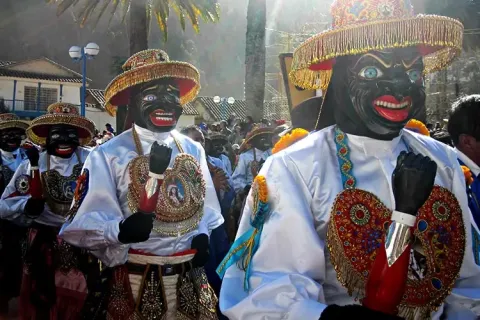
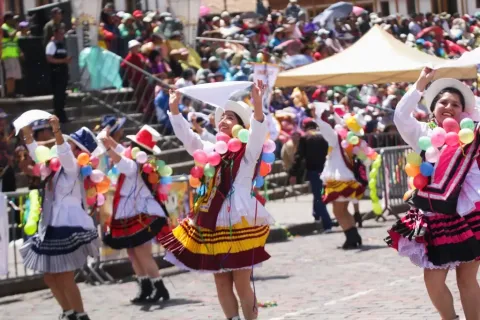
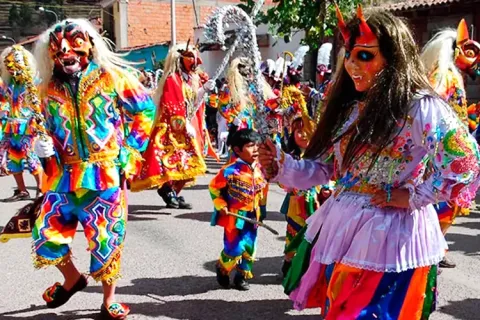
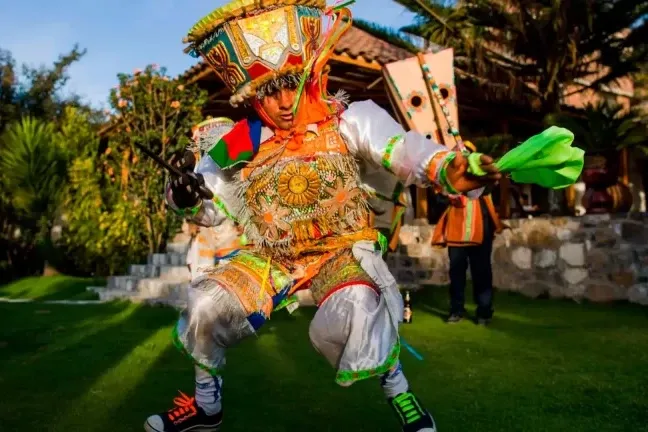
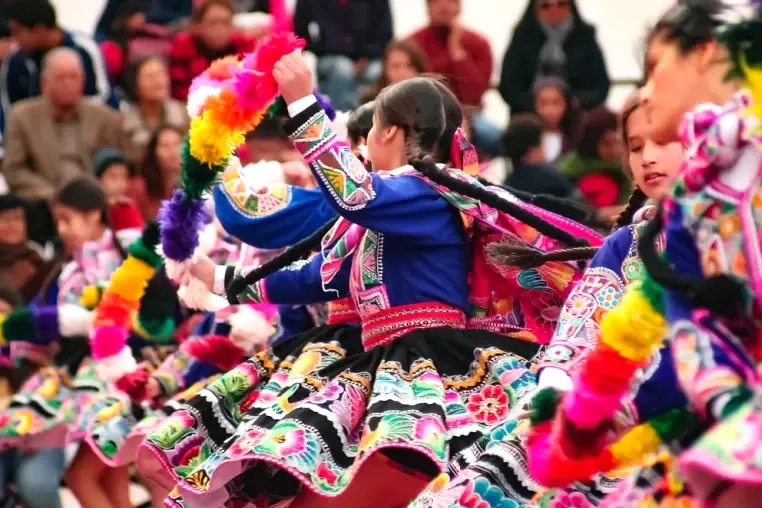
The comparsas prepare for weeks to present dances such as:
- Qhapac Negro
- Cusco Carnival
- Saqra (festive devils)
Tijeras (influence from the southern Andes) Each group wears colorful handmade costumes, embroidered with golden threads, feathers and masks.
2. The Yunza or “Corta Monte” (Tree Cutting)
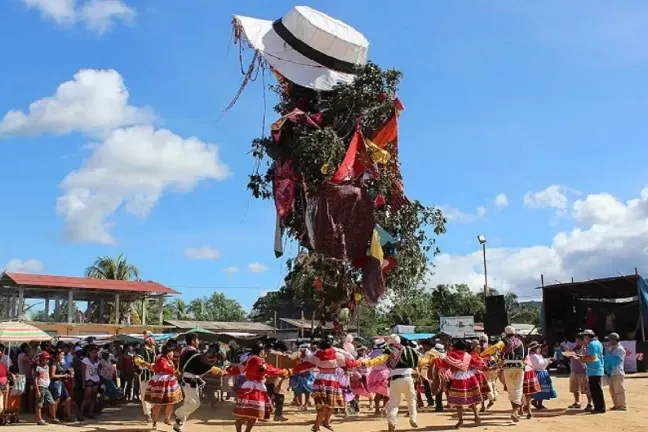
The yunza, or Carnival tree cutting, is one of the central events. A tree is adorned with gifts, fruits, toys and streamers. Participants dance around it while cutting the tree with an axe to the rhythm of the music. The person who fells the yunza arranges the next celebration.
3. The Water and Paint Game
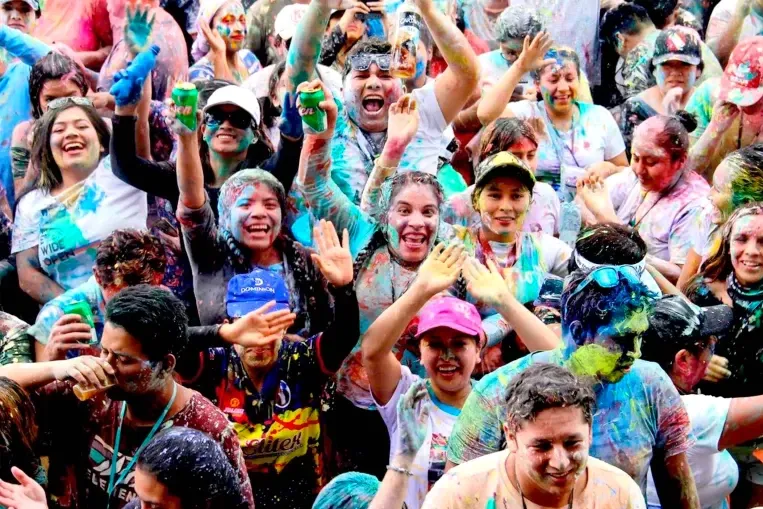
This Carnival game is a fun, but controversial custom. In many neighborhoods, people throw water, foam, talcum powder and even vegetable paint at each other. It is recommended to wear old clothes and protect cameras or cell phones.
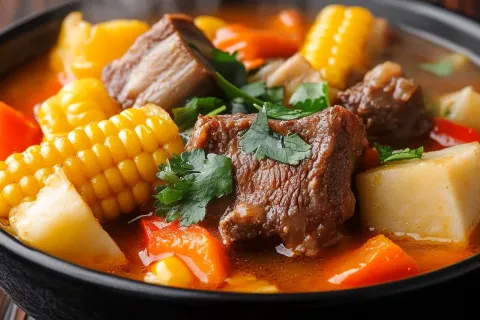
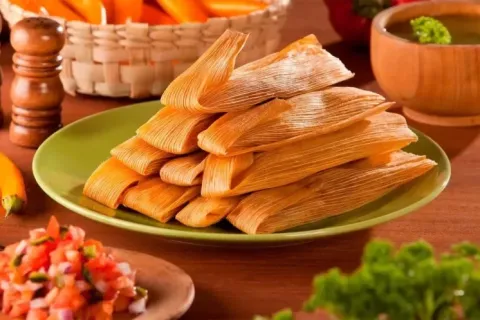
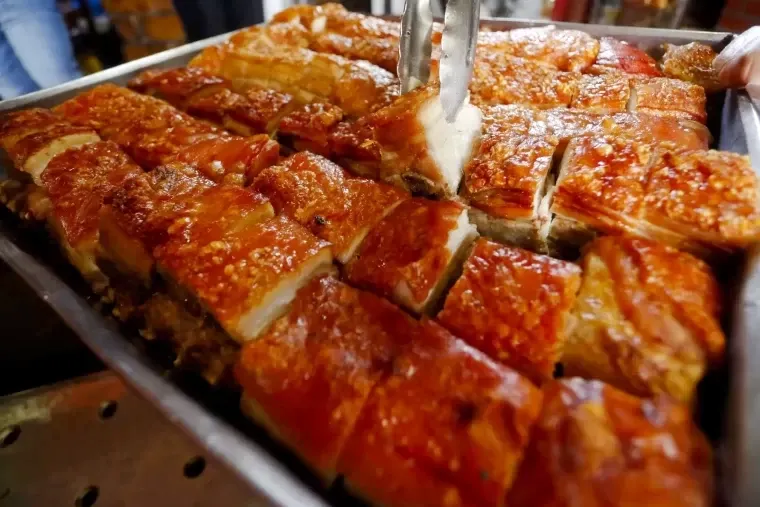
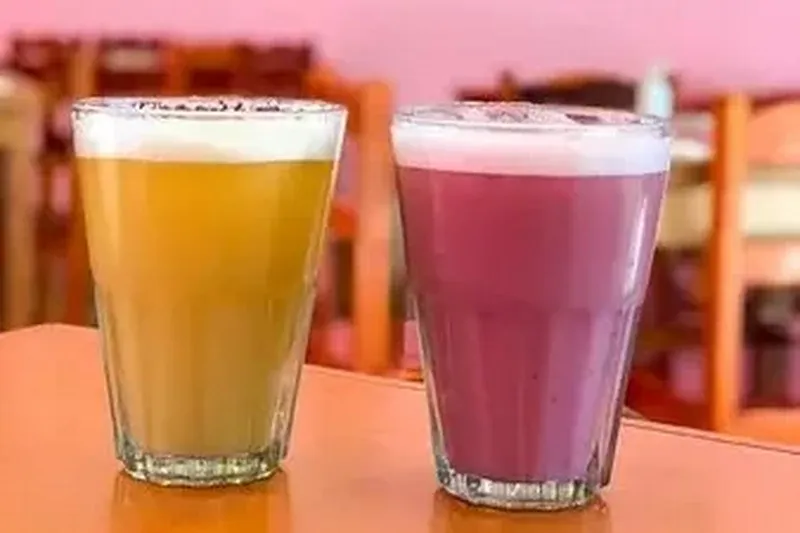
4. Typical Gastronomy
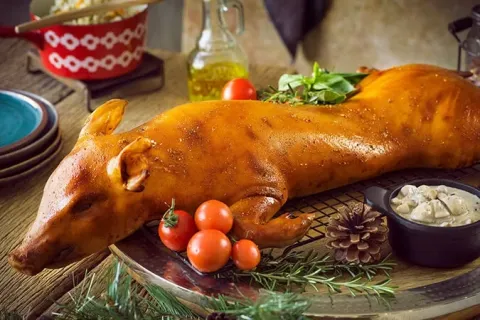
During the carnival, Peruvians usually eat:
- Roast suckling pig
- Tamales
- Puchero (pot of different meat with vegetables)
- Chicha de jora and frutillada (ancestral beverages)
Key places to experience Carnival in Cusco
- Plaza de Armas of Cusco: epicenter of the main parades.
- San Jerónimo and San Sebastián: districts with the most traditional yunzas.
- Calca, Pisac and Urubamba: in the Sacred Valley, carnivals with their own identity are also celebrated.
Tips to enjoy the Cusco Carnival
- Arrive early to find a good spot at the parades.
- Bring waterproof and spare clothing.
- Use sunscreen and a hat: the Andean sun can be strong.
- If you do not wish to participate in the water game, stay away from the most boisterous areas or carry a white handkerchief (symbol of “peace”).
Cultural tourism on the rise
Cusco carnivals attract more and more international tourists interested in experiential and cultural tourism. Many communities offer lodging and direct experiences such as:
- Dressing in traditional costumes
- Participating in the yunza
- Learning traditional dances
- Cooking local dishes
This form of sustainable tourism strengthens the local economy and keeps traditions alive.
Conclusion
The 2'25 Carnivals in Cusco will be a unique opportunity to witness the syncretism between the Andean and the Western, in one of the most emblematic cities of Peru. Whether dancing, eating or simply observing, every moment will be an experience full of living culture.
If you want to reconnect with ancestral traditions and celebrate with joy, Cusco awaits you with open arms, food, drink, and music!