


 EN
EN ES
ES FR
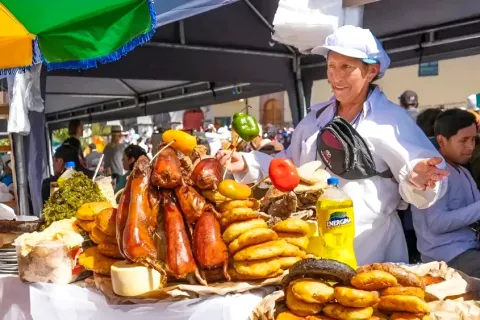
FRChiriuchu Cusqueño is much more than a typical dish of Peru; it is a living celebration of Andean cultural identity. This traditional delicacy, which is mainly served during the Corpus Christi festival in Cusco, represents a symbolic mixture of flavors, textures and ancestral knowledge that have endured over the centuries.
What is Chiriuchu?
The word Chiriuchu comes from the Quechua: chiri (cold) and uchu (chili pepper or spicy stew), which suggests its essence as a cold and spicy dish. This emblematic dish is a combination of ingredients from the three natural regions of Peru: coast, mountains and jungle.
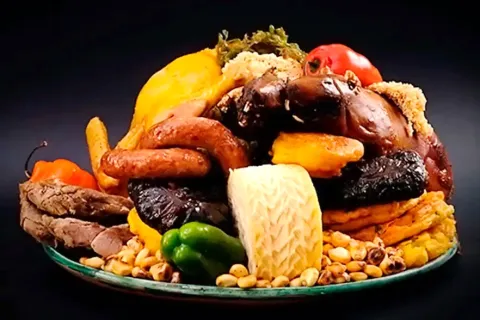
Traditional Ingredients of Chiriuchu Cusqueño
Each component has a cultural significance, and its presence is not accidental:
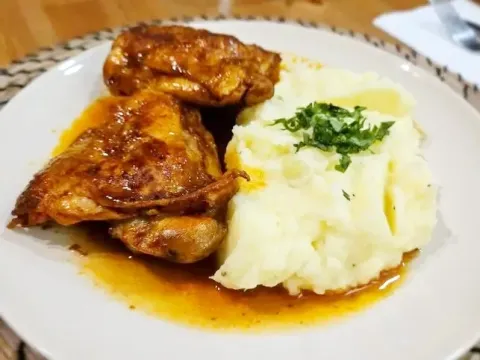
- Cooked chicken or baked chicken – Provides the main protein.
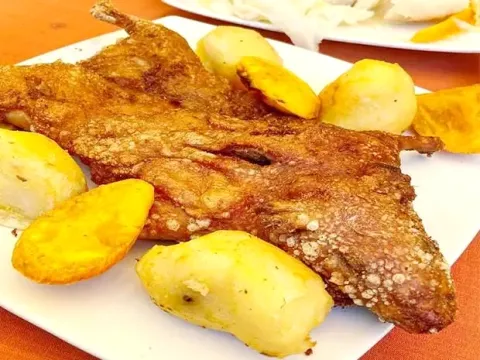
- Fried guinea pig – Symbol of pre-Hispanic Andean food.
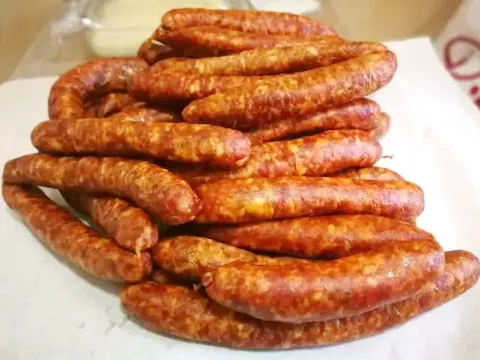
- Cusco Chorizo – Colonial introduction adapted to the local gastronomy.
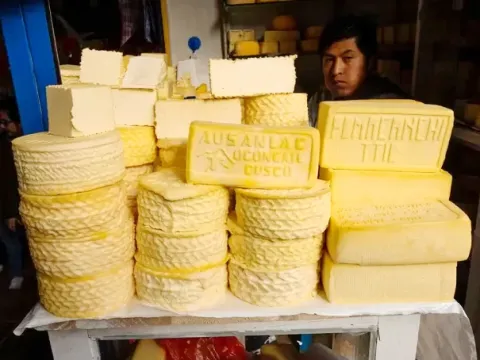
- Queso fresco – Represents the dairy products of the mountains.
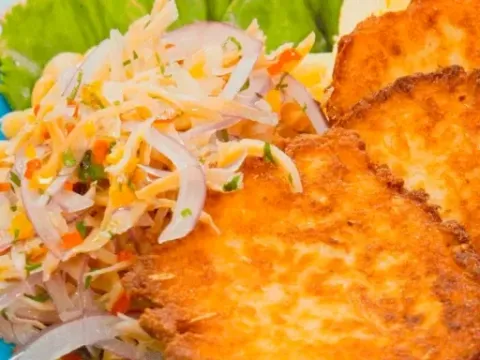
- Corn Torreja (type of egg omelet) – Texture balanced with flavor.
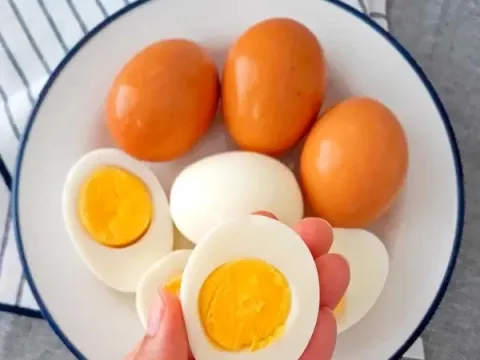
- Boiled egg – Protein supplement.
- Cochayuyo seaweed – Collected from Lake Titicaca.
- Egg cup or dried fish – Brings the marine flavor from the shore.
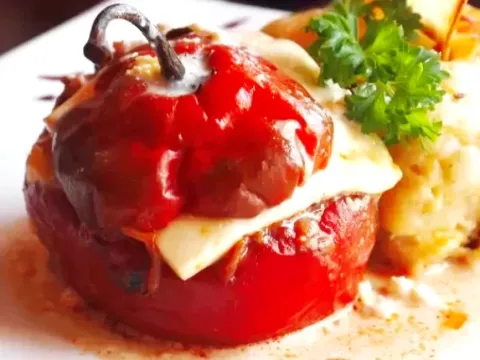
- Stuffed or Fresh Rocoto – Fundamental spicy touch.
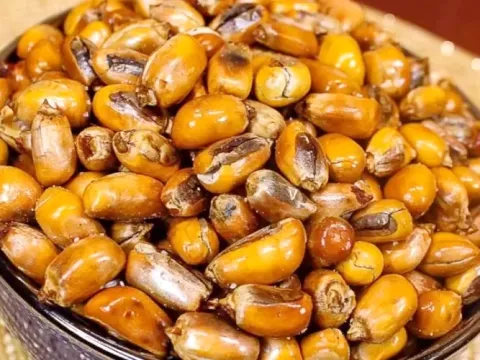
- Cancha corn – Crunchy, ancestral toasted corn.

Origin and Cultural Significance
Chiriuchu dates back to pre-Columbian times and has evolved with Spanish and Creole influences. Its preparation reflects the Andean worldview, where food not only nourishes, but also connects with the spiritual world. During Corpus Christi, this dish is consumed in the streets and squares of Cusco as a collective offering to the saints and to Andean-Catholic religious syncretism.
Why is Chiriuchu Important for Peru’s Gastronomic Heritage?
This dish is an icon of Peru ‘s food diversity. Not only because of its variety of ingredients, but because it encapsulates the history of colonization, cultural resistance, and the integration of flavors from different regions of the country. Eating Chiriuchu is not simply eating: it is reviving a sacred tradition.
Chiriuchu and Gastronomic Tourism
Thanks to its cultural richness, Chiriuchu has become an attraction for gastronomic tourists. Foreigners and Peruvians travel to Cusco not only to visit Machu Picchu, but to taste this unique dish that is only offered at certain times of the year.
Where to eat chiriuchu in Cusco?
During Corpus Christi in June, the Plaza de Armas and the surroundings of the Cathedral are filled with stalls where Cusco matrons prepare this dish. You can also find versions in traditional restaurants during special seasons.