


 EN
EN ES
ES FR
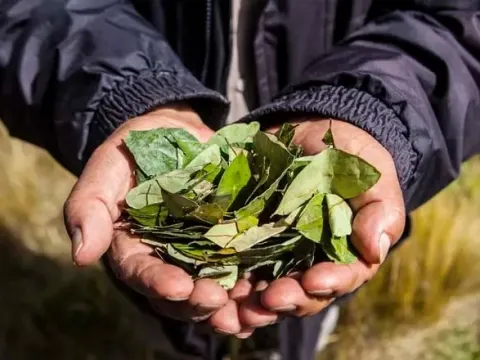
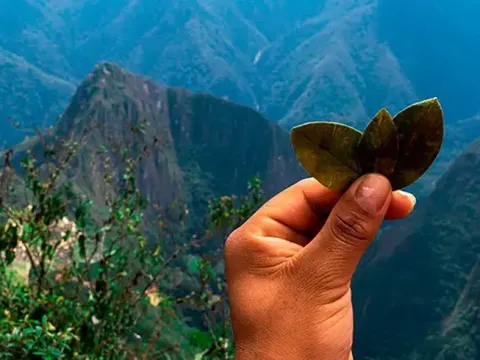
FRTraveling to high-altitude regions in the Andes can be a unique experience, but it also represents a physical challenge for many visitors: altitude sickness or soroche. One of the oldest and most effective natural remedies to combat this discomfort is the Andean coca leaf, a sacred plant used for centuries by the indigenous cultures of South America.
What is altitude sickness?
Altitude sickness occurs when the body does not receive enough oxygen as it rapidly ascends to high altitudes, usually above 2,500 meters above sea level. Among the most common symptoms are:
- Headache
- Nausea
- Dizziness
- Weariness
- Insomnia
The coca leaf: an ancient tradition
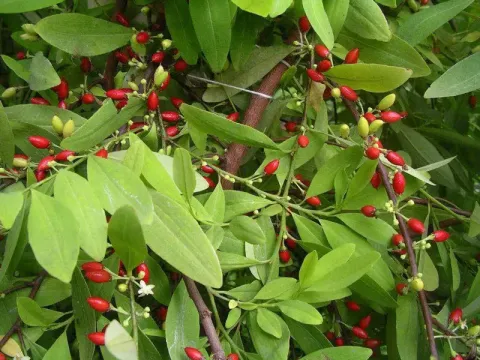
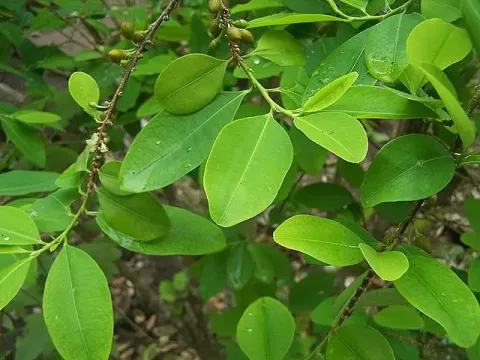
Erythroxylum coca, commonly known as coca leaf, is native to the high Andean areas of Peru, Bolivia, Colombia, and Ecuador. Its use dates back more than 3,000 years, being fundamental in religious rituals, traditional medicine and daily activities of Andean communities.
Medicinal properties
The coca leaf contains more than a dozen alkaloids, the best known being cocaine, although in its natural state it is present in minimal quantities and does not generate psychoactive effects. Its therapeutic benefits include:
- Stimulates oxygenation in the blood
- Acts as a natural analgesic
- Increases physical endurance
- Promotes digestion
- Decreases appetite and tiredness
How coca leaf is used against altitude sickness
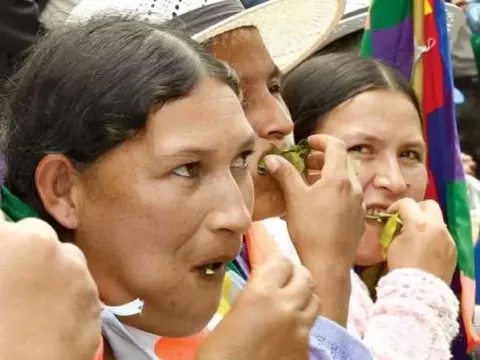
- Chewing (acullico): Leaves are placed in the mouth and chewed slowly, allowing the compounds to be absorbed through the mucus barrier.
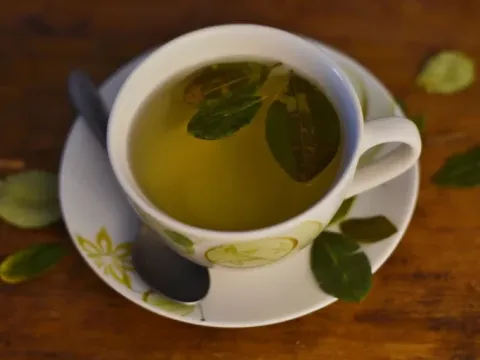
- Coca infusion or tea: Common in Andean hotels and restaurants. A cup of coca tea helps to adapt to the altitude.
- Coca candies or capsules: Modern alternatives used by travelers.

Is it legal to consume coca leaf?
In countries such as Peru and Bolivia, the traditional consumption of coca leaf is completely legal and protected by law. However, its export is restricted due to international regulations associated with drug trafficking.
Important: Although it is not a drug when consumed in its natural form, its legality may vary outside of South America.
Precautions and contradictions
Although it is a natural remedy, it is not recommended for use by pregnant women or people with high blood pressure without medical supervision. It is always best to consult with a health professional before frequent consumption.


Conclusion
The Andean coca leaf is not only a fundamental part of the culture and traditional medicine of the Andes, but it is also an effective and natural solution to combat altitude sickness. Respecting its traditional and legal use, it can become an invaluable ally for those who want to explore the majestic landscapes of the Andean mountain range.