


 EN
EN ES
ES FR
FRMachu Picchu is one of the wonders of the modern world and Peru’s most iconic tourist destination. This Inca citadel, located in the Peruvian Andes, attracts millions of visitors each year for its history, mystery, and stunning natural scenery. If you’re planning your trip, here’s everything you need to know.
What is Machu Picchu?
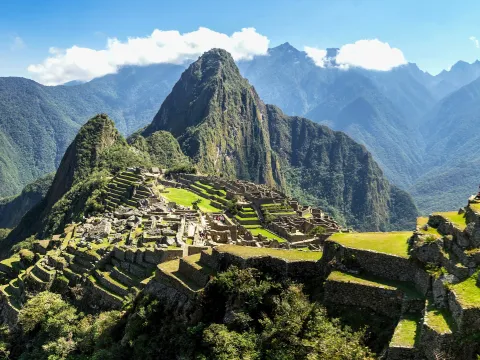
Machu Picchu is an ancient Inca city built in the 15th century by Emperor Pachacútec. It is located more than 2,400 meters above sea level, in the Cusco region, and was rediscovered in 1911 by American explorer Hiram Bingham.
What makes it special is not only its advanced architecture, but also its location: nestled among mountains, surrounded by unique biodiversity and enveloped in an atmosphere of mysticism.
How to get to Machu Picchu?
There are several routes to get there, depending on your budget, time, and the type of experience you’re looking for:
Train to Machu Picchu
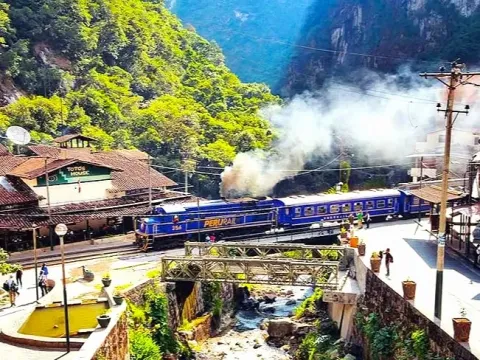
This is the most convenient and fastest way. You can take it from Cusco, Ollantaytambo or Urubamba until Aguas Calientes (the nearest town). There are different services such as the companies Peru Rail and Inka Rail.
Hikes to Machu Picchu
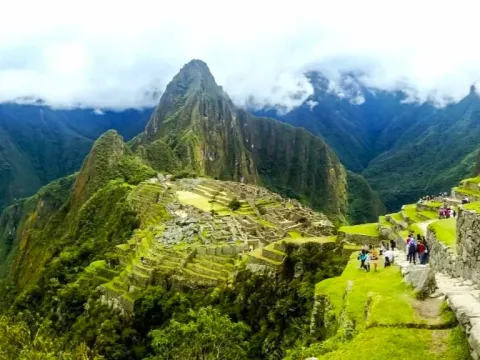
Ideal for the more adventurous. Some routes include:
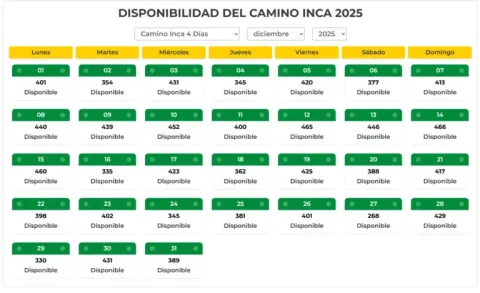
- Classic Inca Trail (4 days) requires permits booked in advance
- Salkantay Trek (5 days)
- Trek Homes
- Inca Jungle Trek
These routes offer spectacular scenery and a more spiritual and cultural experience.
What to see in Machu Picchu?
Once in the citadel, you can’t miss:
- The Temple of the Sun
- The Sacred Rock
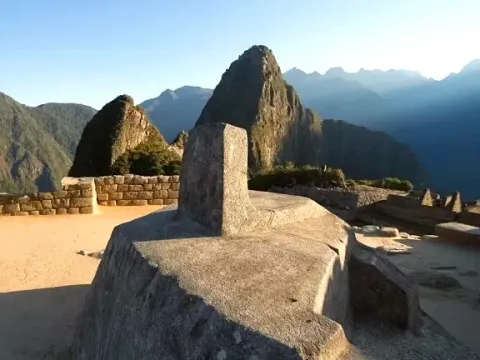
- The Intihuatana (Inca sundial)
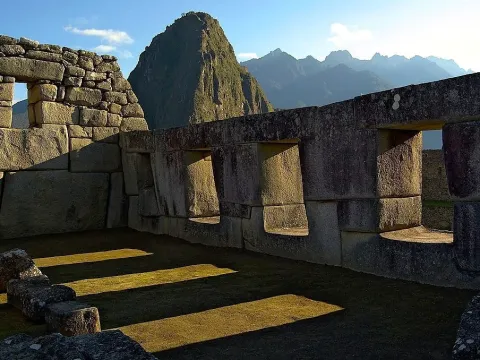
- The Temple of the Three Windows
- The Sacred Square
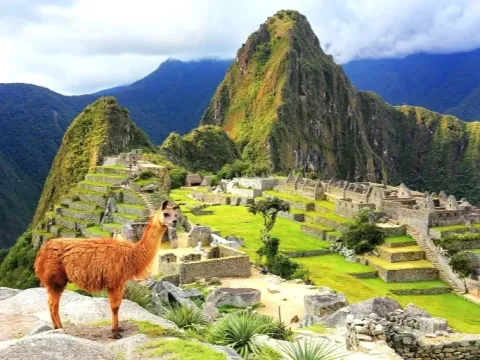
- The Guardian’s House (from where the classic photos are taken)
Optional:
- Machu Picchu Mountain: panoramic view.
- Huayna Picchu: Limited access, but with an incredible view.
What is the best time to visit?
- Dry season (April to October): Ideal to visit without rain.
- Rainy season (November to March): Fewer tourists, but slippery paths.
It is recommended to book tickets and trains at least 2 months in advance, especially in the high season (June-August).
Entries and requirements
Machu Picchu tickets are limited per day. You can purchase them at:
- Agencies like Xtreme Tourbulencia.
Requirements:
- Valid ID or passport
- Printed or digital entry
- Book in advance if you are going to Huayna Picchu or Machu Picchu Mountain

Useful tips for your visit
- Bring sunscreen, repellent, water and comfortable shoes.
- Large backpacks, drones, and selfie sticks are not permitted.
- Use the restrooms before entering; there are none inside the citadel.
- Hire a tour guide to understand Inca history and symbols.
Cultural and natural importance
It was declared UNESCO World Heritage Site in 1983 for its cultural and natural value. It is a testament to the Inca architectural ingenuity, with agricultural terraces, water channeling systems and perfect integration with the mountain.