


 EN
EN ES
ES FR
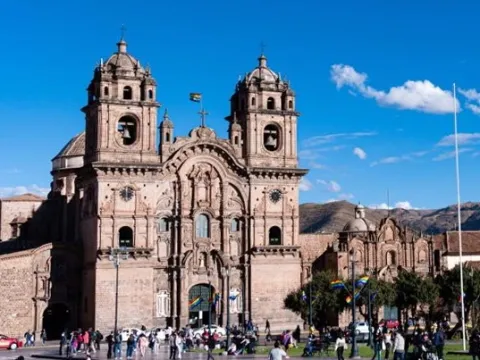
FRCusco, the ancient capital of the Inca Empire, is one of the most fascinating destinations in the world. However, there’s one thing that many travelers underestimate when planning their adventure: the Andean altitude. At more than 3,400 meters above sea level, it is normal for visitors to feel the effects of soroche or altitude sickness. Fortunately, with the right preparation, you can enjoy Cusco without any surprises.
What is altitude sickness?
Altitude sickness in Cusco occurs when the body does not adapt quickly enough to the decrease in oxygen at high elevations. Its most common symptoms include:
- Headache
- Nausea
- Dizziness
- Fatigue
- Difficulty sleeping
Although it is usually mild, in some cases it can become more serious if not treated properly.



When does it occur?
Symptoms of altitude sickness in Cusco can appear in the first 6 to 24 hours after arriving in Cusco, especially if you are coming from places at sea level such as Lima or abroad.
Tips to prepare before arriving in Cusco
- Progressive acclimatization: If possible, spend a few days in an intermediate location, such as Arequipa or the Sacred Valley, before arriving in Cusco.
- Avoid strenuous activities on the first day: Give your body time to adjust.
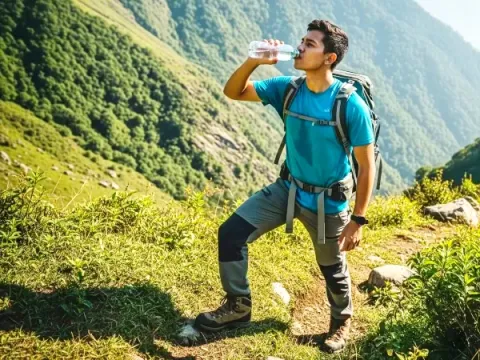
- Hydrate well: Water is key to cellular oxygenation. Avoid alcohol and caffeine.
- See your doctor: Medications such as acetazolamide can help prevent symptoms, begin taking 2 days before you arrive
- Eat light: Opt for easy-to-digest meals for the first few days.
What to do if you are already in Cusco
- Get plenty of rest. Don’t underestimate the importance of getting a good night’s sleep.
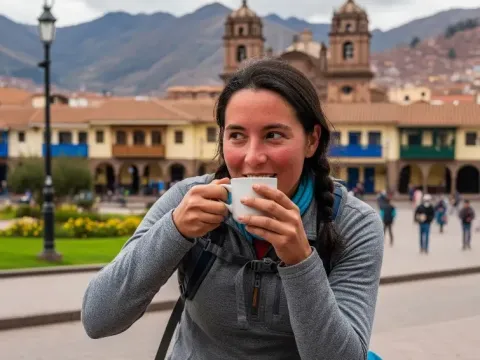
- Coca infusions: Highly recommended by locals, they help improve circulation and oxygenation.
- Supplemental oxygen: Many hotels and pharmacies offer small oxygen tanks.
- Doctor’s visit: If symptoms worsen, seek professional care immediately.
Bonus: Alternatives for a better adaptation
- Arrive by train from Ollantaytambo: You will gain time at lower altitudes before climbing to Cusco.
- Staying in the Sacred Valley: Urubamba (2,800 m) offers spectacular scenery and lower altitude.
Conclusion
Cusco is a destination that deserves to be fully experienced. Altitude doesn’t have to be an obstacle if you’re well-informed and prepared. With these tips, your trip will be full of memories and not unexpected surprises.