


 EN
EN ES
ES FR
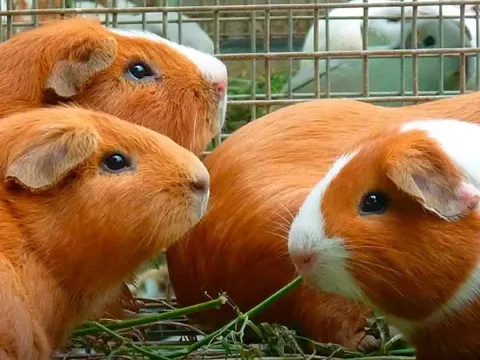
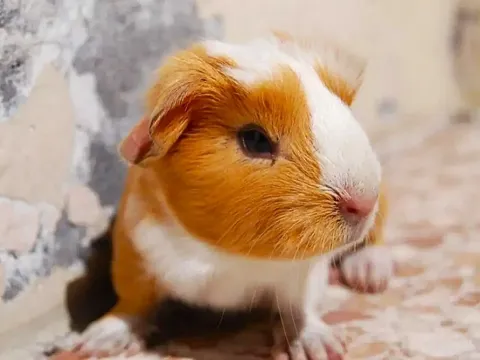
FRPeruvian gastronomy is famous worldwide for its fusion of flavors, ancient techniques, and native products. One of the most emblematic dishes, and perhaps most surprising for foreign visitors, is the guinea pig. This small rodent Cuy, known elsewhere as a guinea pig, is considered a true culinary delight in Peru and is an ancient tradition with roots in pre-Inca times.
What is guinea pig?
The guinea pig is a rodent mammal domesticated more than 5,000 years ago in the Andes. In Peru and other Andean regions its is a fundemental part of the traditional diet, although in many other cultures it is considered a pet. Its meat is rich in protein, low in fat, and considered an ideal source of nutrition in rural areas.
History of the guinea pig in Andean culture
Before the arrival of the Spanish, guinea pigs were raised by Pre-Columbian civilizations such as the Incas. They were primarily consumed during religious celebrations and rituals. Over the centuries, guinea pigs have evolved from being a ceremonial food to becoming a typical Peruvian dish with a privileged place at festivals and family tables.
How do you prepare a guinea pig?
There are different ways to prepare guinea pig, depending on the region of Peru. Some of the most popular include:
- Fried guinea pig: Fried until crispy, usually served with potatoes and corn.
- Baked guinea pig: Marinated with Andean herbs, garlic and chili, then baked until golden brown.
- Stuffed guinea pig: Festive variant filled with herbs, hard-boiled egg and spices.
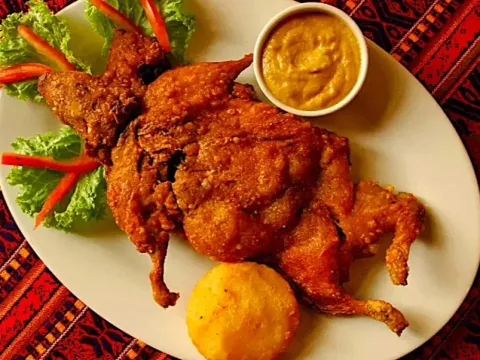
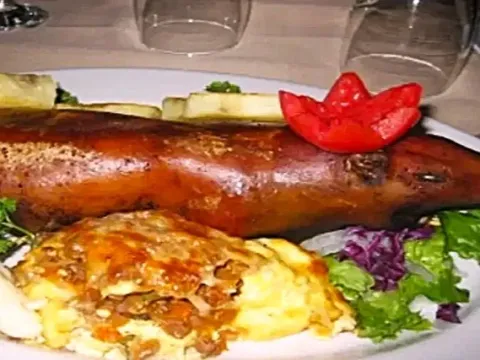
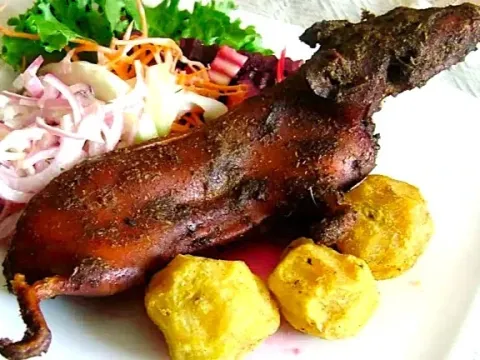
At food fairs and gourmet restaurants, guinea pig has been reinvented with modern touches, elevating its status in Peruvian haute cuisine.
What does guinea pig taste like?
Many compare it to a cross between chicken and rabbit. Its meat is juicy, firm, and has an earthy flavor that reflects its natural upbringing. Its traditional preparation with Andean herbs enhances its native flavors.
Nutritional benefits of guinea pig
The guinea pig is considered a sustainable and healthy alternative compared to other more popular meats. Its nutritional benefits include:
- High protein content.
- Low in cholesterol.
- Rich source of iron and omega-3.
This makes it an ideal option for balanced diets, especially in communities where access to beef or pork is limited.
The guinea pig today: a symbol of national identity
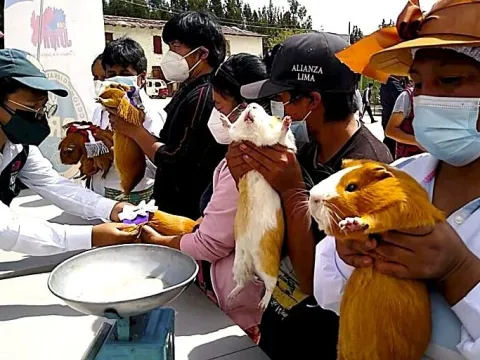
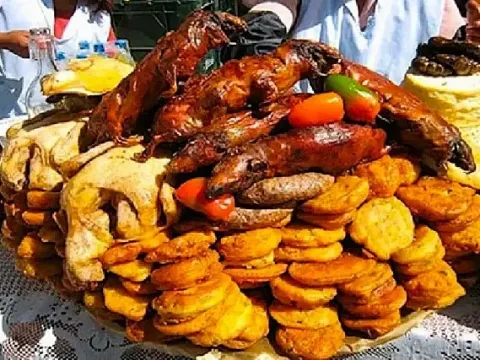
Beyond its nutritional value, the guinea pig represents a symbol of identity for Peruvians. It is celebrated at regional fairs such as the Guinea Pig Festival in Huancayo or at the Inti Raymi Festival in Cusco. There is even an official day : National Guinea Pig Day (the second Friday of October), where homage is paid to this typical dish.
Would you dare to try it?
Trying guinea pig is more than a culinary experience: it’s immersing yourself in centuries of Andean history, culture, and tradition. Whether in a rural community or a gourmet restaurant in Lima, tasting guinea pig is one of those authentic Peruvian experiences you shouldn’t miss.