

 EN
EN ES
ES FR
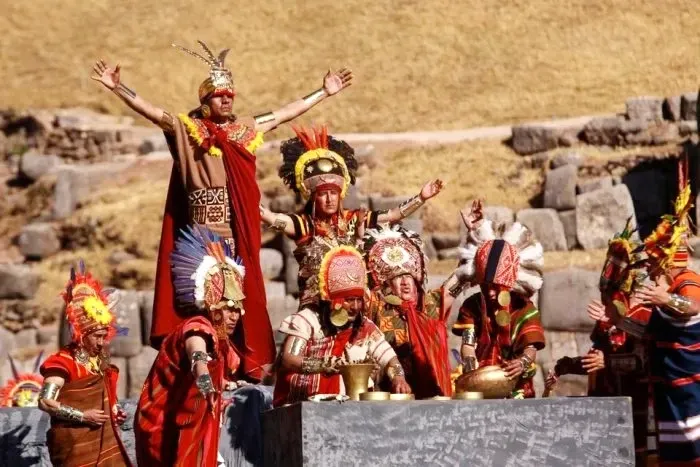
FRInti Raymi, the Festival of the Sun, illuminates Cusco, Peru. It’s a revival of an ancient Inca ceremony. Today, it draws visitors globally.
Held annually on June 24th, this event marks the winter solstice. Participants honor the Inca sun god, Inti. Colorful parades and rituals fill the streets.
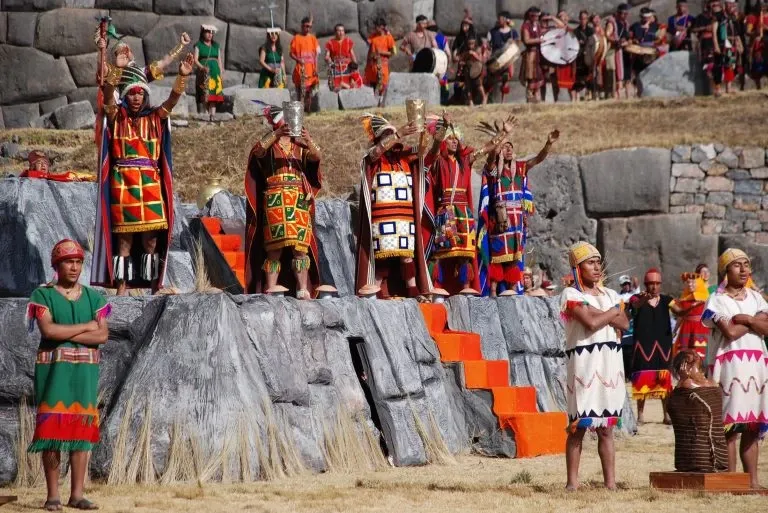
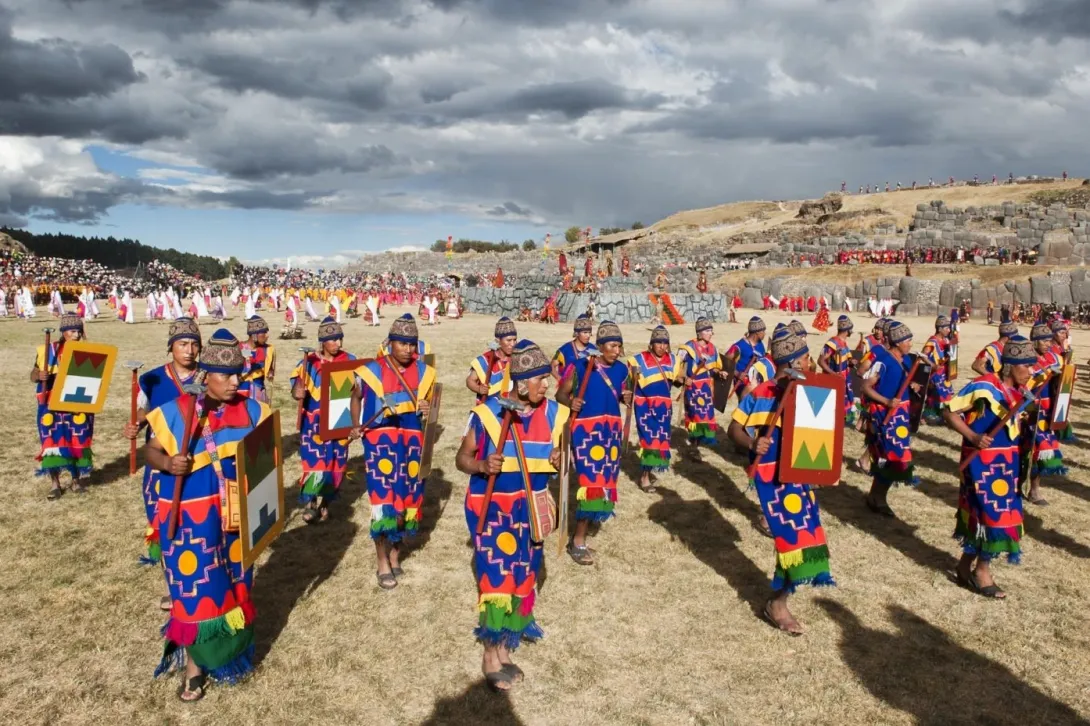
The festival begins at the majestic Sacsayhuaman fortress. Dancers and musicians wear traditional Inca attire. It’s a spectacle of culture and history.
Inti Raymi offers more than visual splendor. It’s a deep dive into Inca traditions and beliefs. For many, it’s a spiritual journey.
Tourists and locals alike join in the celebration. The event fosters unity and respect for heritage. Cusco transforms into a vibrant cultural hub.
Planning to take the Inca Trail to Machu Picchu? Research and respect local customs. Celebrating Inti Raymi is an unforgettable experience if you are visiting in the month of June.
Embracing the Splendor of Tradition: A Guide to Inti Raymi, Cusco’s Festival of the Sun
Every year, the city of Cusco bursts into life with the vibrant festival. This festival celebrates the Inca Empire’s deep connection with the sun. It transforms modern-day Cusco into a stage for historical reenactment.
The event takes place on June 24, coinciding with the winter solstice. This date marks the shortest day in the Southern Hemisphere. It’s a key moment in the agricultural calendar of South America.
Inti Raymi was originally a religious ceremony to the sun god, Inti. The Sapa Inca would lead the festivities, paying homage to the sun. This was crucial for ensuring the prosperity of the Inca Empire.
A Historical Tapestry Unfolds
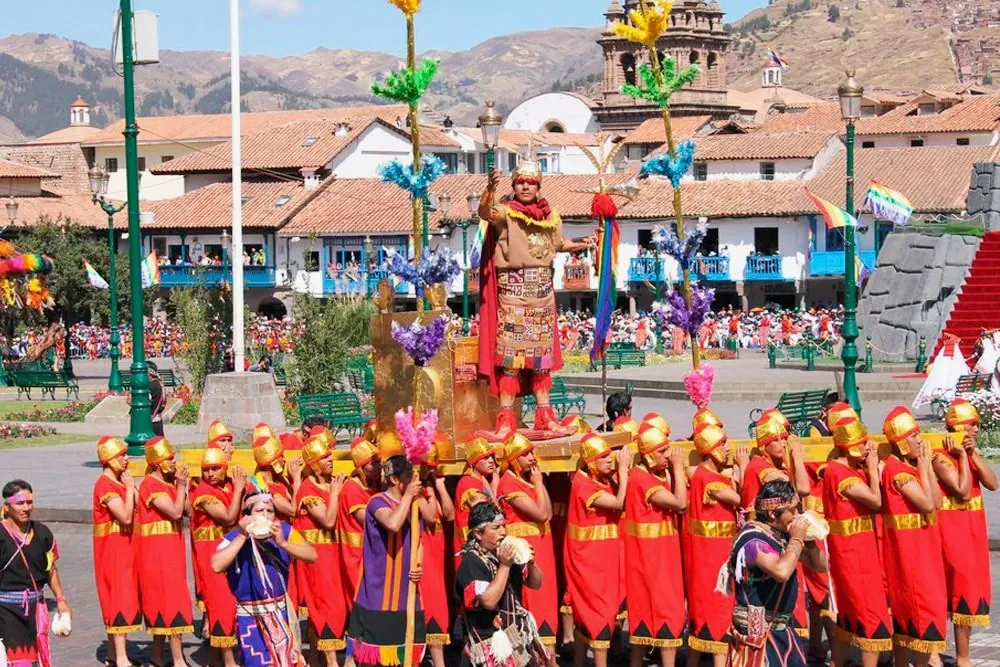
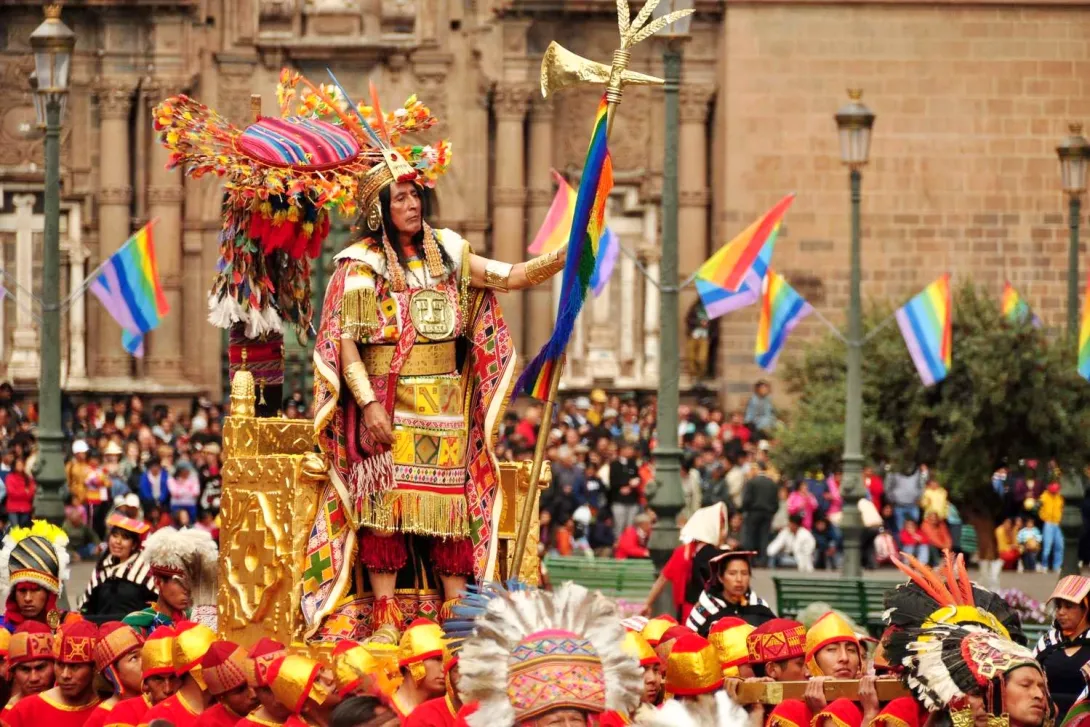
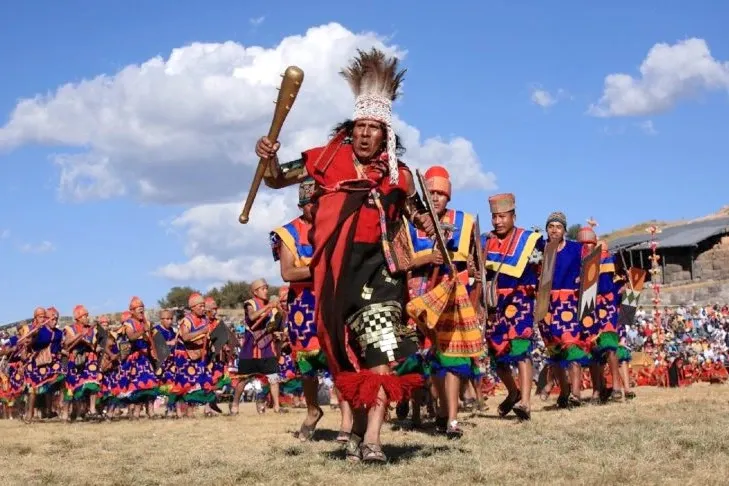
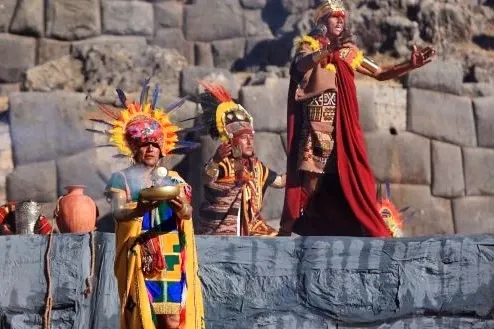
The central figure in Inti Raymi is the Sapa Inca, embodying the ancient Inca rulers. He delivers speeches and prayers, all in the Quechua language. These words are directed to the sun, asking for its blessing.
Faustino Espinoza Navarro revived Inti Raymi in the 20th century. His vision restored this crucial part of Inca heritage. Now, the festival attracts thousands from around the globe.
The main ceremonies take place in three historic sites. Each location offers a glimpse into the Inca Empire’s grandeur. The Plaza de Armas in Cusco serves as the initial point of celebration.
Traditions Alive in Every Step
From the Plaza de Armas, the procession moves to the ancient Inca temple. Here, rituals pay respect to Pachamama, or Mother Earth. The connection to nature is palpable in every ritual.
Traditional dances are a highlight of Inti Raymi. Performers dress in elaborate, authentic Inca costumes. Their movements tell stories of history, culture, and religion.
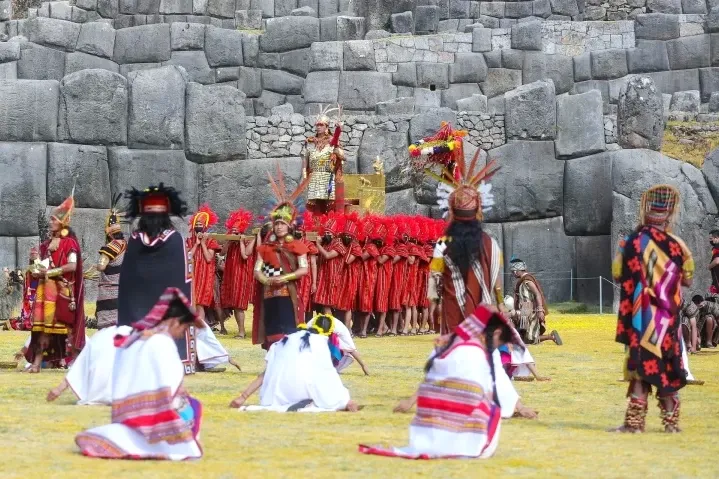
The festival concludes at the Sacsayhuaman fortress, just outside Cusco. Spectators fill the area, eager to witness the final ceremonies. The Sapa Inca’s closing blessings mark the end of the day’s events.
A Modern Day Pilgrimage
For many, attending Inti Raymi is a modern-day pilgrimage. It offers a unique opportunity to step back in time. Visitors immerse themselves in the traditions of the Inca Empire.
The festival’s revival has boosted Cusco’s tourism significantly. It’s a testament to the enduring allure of Inca culture. Inti Raymi bridges the past and present, showcasing the richness of Andean traditions.
Travelers from all corners of the world plan their visit around June 24. They come to experience the splendor of Inti Raymi firsthand. The city of Cusco welcomes them with open arms and vibrant festivities.
Connecting with the Cosmos
Inti Raymi reinforces the Inca’s celestial reverence. It highlights the importance of astronomy in Inca culture. The festival aligns with the natural cycles, celebrating the sun’s life-giving power.
The Sapa Inca’s role in the festival is a profound symbol. He represents the Inca’s divine connection to the sun. This link between leader and cosmos underscores the spiritual depth of Inti Raymi.
Participants and spectators alike feel a part of something transcendent. The festival is more than just a spectacle; it’s a communal act of faith. It embodies the Inca Empire’s enduring legacy in South America.
Legacy and Renewal
Inti Raymi stands as a powerful symbol of renewal. It marks a time to honor traditions and look forward to new beginnings. The festival reflects the resilience and continuity of Andean culture.
Faustino Espinoza Navarro’s efforts to revive Inti Raymi have ensured its place in modern times. His dedication preserved a key aspect of Inca heritage for future generations. Today, Inti Raymi is a bridge connecting the ancient and the contemporary.
The festival’s success lies in its ability to adapt while staying true to its roots. It has evolved into a global event that still respects its sacred origins. Inti Raymi remains a vibrant celebration of the sun, nature, and Inca spirituality.
A Celebration for All
Inti Raymi invites everyone to witness the glory of the Inca Empire. It offers a unique lens into the past, enriched by the setting of the majestic city of Cusco. The festival is a testament to the power of tradition and the beauty of cultural preservation.
Whether you’re drawn by history, spirituality, or the sheer spectacle, Inti Raymi has something to offer. It stands as a beacon of cultural pride and historical awareness. This June 24, let the Festival of the Sun illuminate your understanding of the Inca Empire and its lasting influence on South America.