


 EN
EN ES
ES FR
FRMillions of years ago, a tectonic depression was created by the fall of the layers or strata of rocks, it was then filled by the outpouring of glaciers and precipitation. In this way, Lake Titicaca initially formed at a height 60 to 100 meters higher than today.
According to the Inca cosmogony, the process of creation began in Lake Titicaca. Mythology holds that the god Viracocha emerged from the waters, generating the sun, the stars and the first Inca kings.
At an altitude of 3,800 meters above sea level, it is the highest maritime lake on the planet and its waters remain icy and unalterable throughout the year.
The water of Titicaca has an average temperature of 13° Celsius, ranging from 11° during the winter season to 15° during the summer. The coldest temperatures occur in July, while the highest are between December and March.
Discover Lake Titicaca, the highest navigable lake in the world, located in the heart of the Andean highlands between Peru and Bolivia. It is a mystical place, rich in ancestral culture, living nature and unique experiences that you cannot miss.
Location of Lake Titicaca
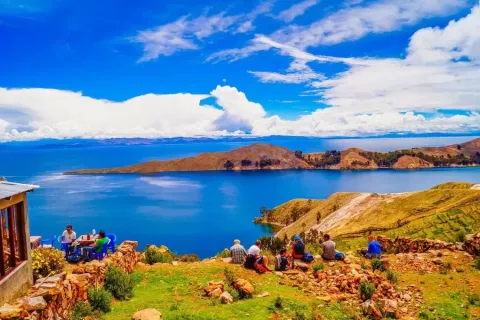
Lake Titicaca is located at 3,812 meters above sea level, shared between Peru (department of Puno) and Bolivia. It is a sacred lake for pre-Columbian cultures and is currently one of the most impressive tourist destinations in South America.
Iframe Map (ojo)
Flora and Fauna of Lake Titicaca
The ecosystem of Lake Titicaca is diverse and unique. You can find:
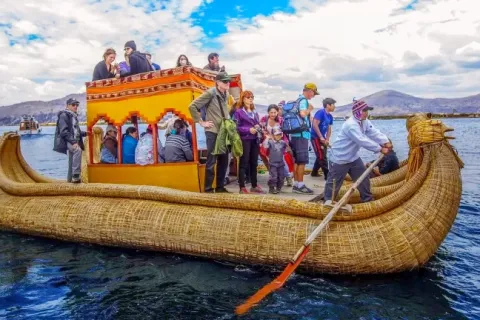
- Totora: an aquatic plant used in the construction of rafts and floating islands.
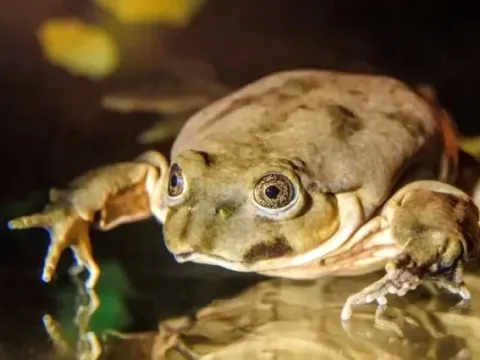
- Titicaca Giant Frog: an endemic species.
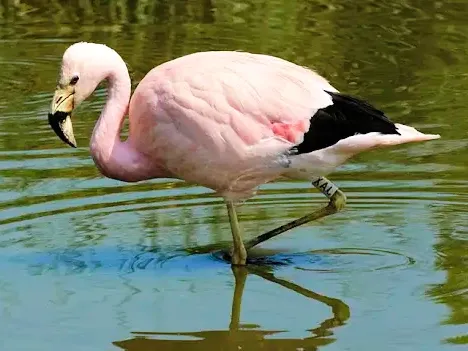
- Parihuanas (Andean flamingos),foxes, wild ducks, and more than 90 species of birds.

The Lake Islands
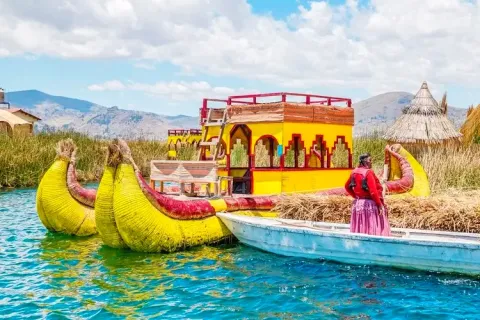
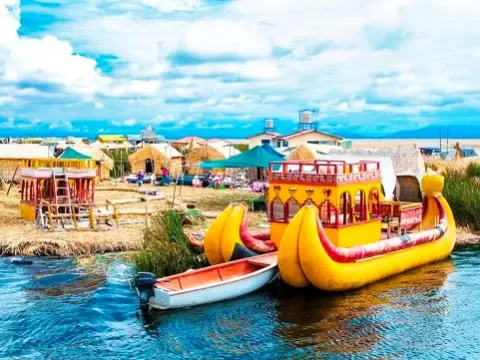
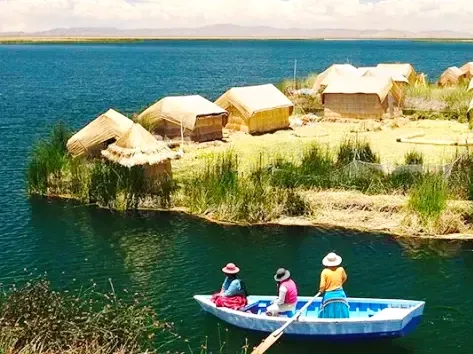
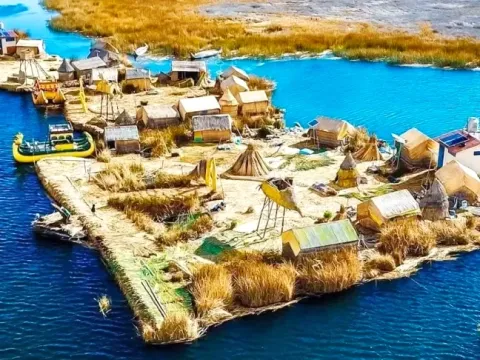
Uros Floating Islands
Known for being made entirely of reeds. The Uros maintain their ancestral customs and you can visit them on unforgettable cultural tours.
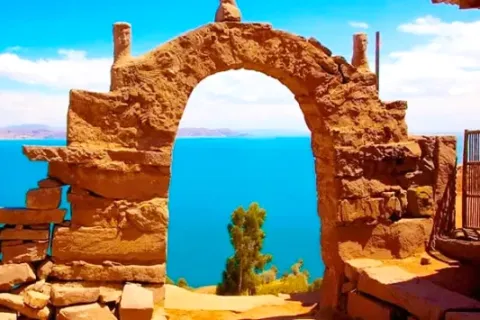
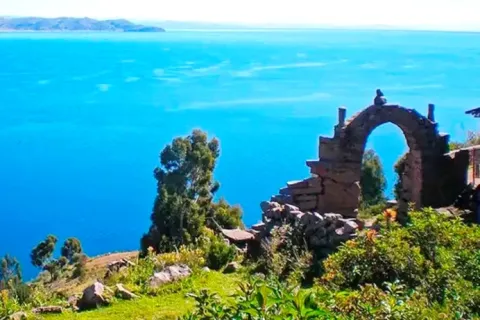
Taquile Island
Famous for its traditional weaving, considered Intangible Heritage of Humanity by UNESCO. In Taquile, there are no cars or fancy hotels, only genuine hospitality.
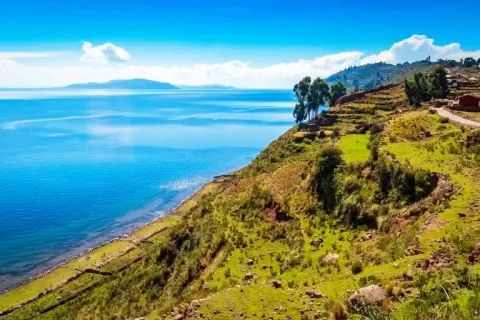
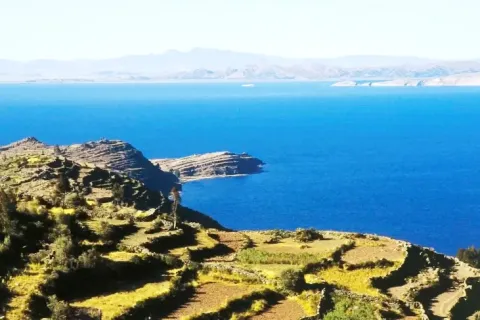
Amantani Island
Known as “the island of love”, it offers community accommodation, hikes to the Pachatata and Pachamama temples, and spectacular sunsets.
How to get to Puno?
- Lima or Cusco: flight to Juliaca, then 1-hour ground transfer to Puno.
- Cusco: tourist buses (10 hours) or Andean Explorer train (luxury).
- Arequipa: paved road (6-7 hours).
When is the best time to visit Lake Titicaca?
The best season is between May and October, where you will find:
- Dry weather and clear skies.
- Festivities such as the Fiesta de la Virgen de la Candelaria (February), if you prefer culture and folklore.
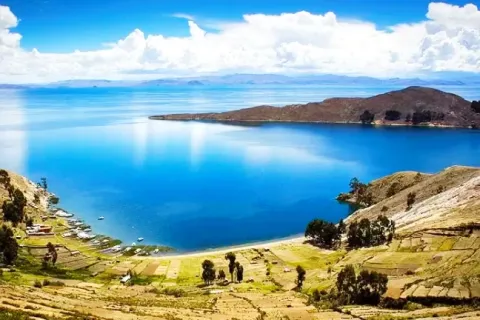
Tips for visitors
- Wear warm clothing, a hat, and sunscreen (the sun is strong at high altitude).
- Hydrate to prevent soroche (altitude sickness).
- Respect the traditions and cultural norms of the communities.
- Hire sustainable and certified tours.