

 EN
EN ES
ES FR
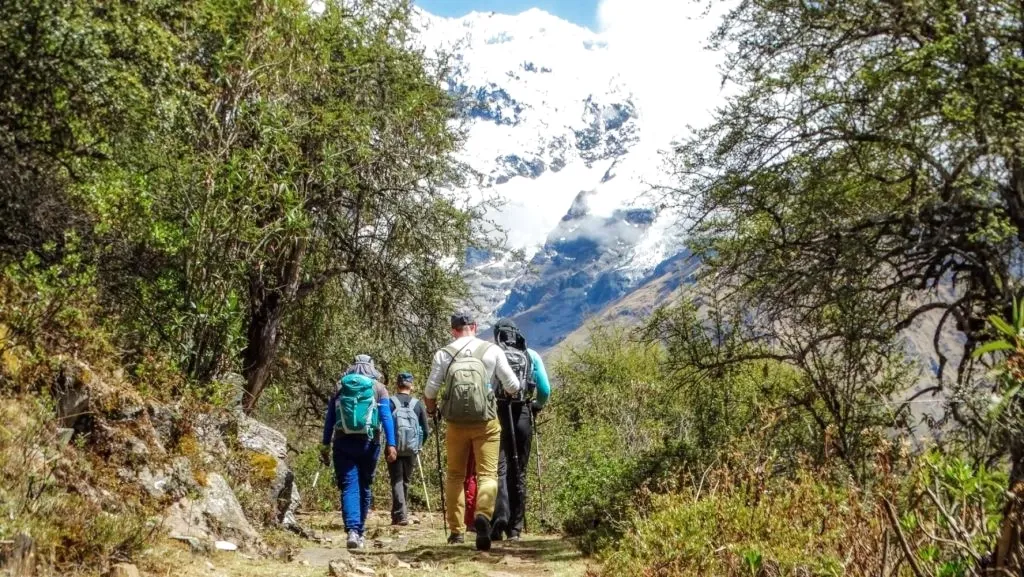
FREmbarking on the Lares Trek is an adventure of a lifetime. It’s crucial to understand the Lares Trek difficulty level. The difficulty is defined by the high altitude and diverse terrains which can challenge even the most seasoned of hikers. Preparation is key to your enjoyment of this trek. This article breaks it down.
We’ll explore the physical demands. Insights into the daily hiking realities await. Learn what to expect on the trail.
Elevation challenges: Preparing for high altitude hiking
The Lares Trek difficulty begins with its altitude. You’ll ascend to elevations where the air grows thin. Preparing your body is vital.
At high altitudes, your breathing may quicken. Acclimatization days become your best friend. They allow your body to adapt gradually.
Start training months in advance. Focus on cardio exercises that boost your endurance. Include hikes that simulate Lares Trek elevation changes.
Understand symptoms of altitude sickness. Headaches and fatigue may signal caution. Recognize these signs early to take action.
Drink plenty of water; dehydration worsens altitude effects. Consume a balanced diet rich in carbohydrates. Energy levels depend on good nutrition.
Plan for gradual ascents each day. Rushing increases the Lares Trek difficulty. Pace yourself to enjoy discovering the enchanting Lares Trek. Lares trek guides offer invaluable advice. Heed their knowledge about altitude challenges. They help you manage Lares Trek difficulty effectively.
Carry a light pack to reduce strain. Every pound feels heavier at high elevations. Efficient packing can make a significant difference.
Consider using hiking poles for balance. They redistribute weight and can reduce fatigue. Your knees will thank you during descents.
Sleep also becomes a vital component. Rest helps your body recover overnight. Ensure you have warm, comfortable gear for the cold nights.
In case of altitude sickness, descend. Lower elevations provide immediate relief. Always prioritize health over summit goals.
The Lares Trek offers a rewarding experience. Preparing for high altitude makes it enjoyable. Embrace the challenge with respect and excitement.
Terrain and weather: Navigating varied conditions
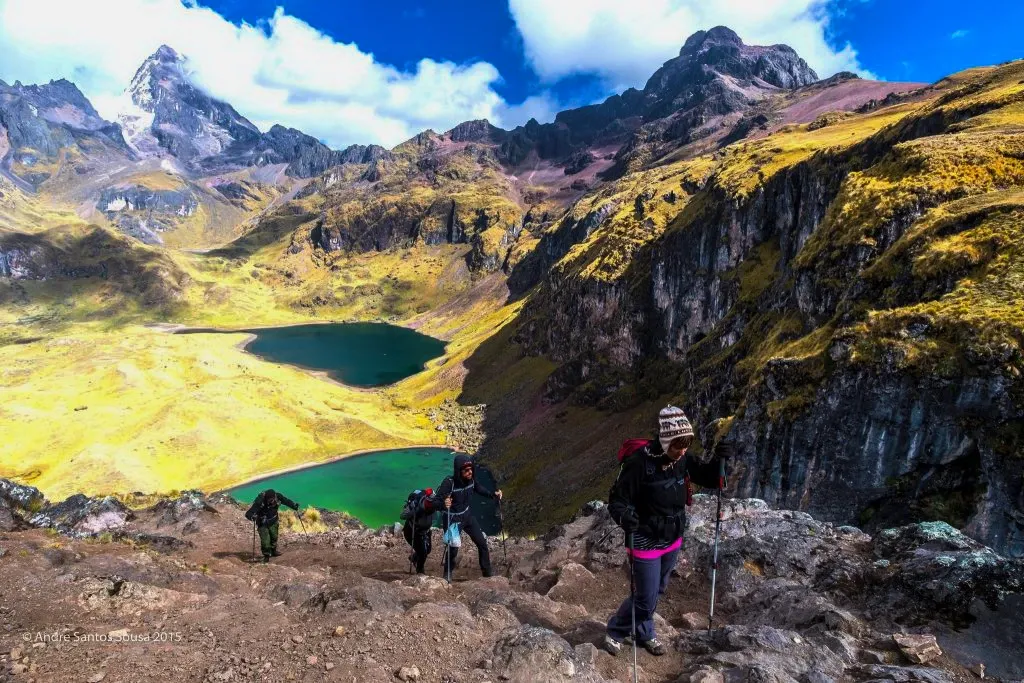
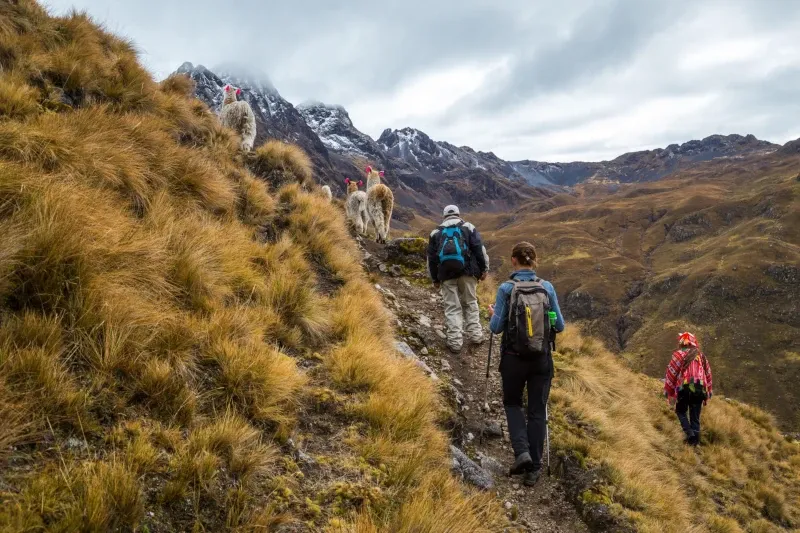
The Lares Trek difficulty encompasses more than altitude. Diverse terrain tests your footing and stamina. Expect rocky paths, mud, and streams.
Weather patterns in the Andes shift rapidly. Sunshine turns to rain with little warning. Prepare for all conditions; layer your clothing.
Good boots are non-negotiable. They must grip well and support ankles through uneven ground. They are Inca Trail to Machu Picchu essentials.
Lares Trek difficulty also comes from its path unpredictability. Some stretches may be narrow and steep. Keep a steady pace here. One moment you’re crossing lush valleys. Next, you could navigate scree slopes. Versatility in your skill set is crucial. Don’t underestimate river crossings. They require balance and caution. Sometimes, a guide’s hand is the best support you can have.
Fog can reduce visibility dramatically. Stay close to your group when it descends. Communication is key in these moments.
The Lares Trek difficulty is also weather-related. Afternoon downpours often occur. Waterproof your pack and wear a poncho. Even within a single day, temperatures fluctuate. Mornings are chilly, demanding warm layers. Afternoons may need sun protection and hats.
The alternative Trek Lares difficulty tests your preparation. A waterproof and windproof jacket is essential. It shields against the elements’ fickleness Nightfall brings a cold that seeps into your bones. Quality sleeping gear is vital. It ensures rest for the next day’s trek.
Lastly, remember that Lares Trek difficulty includes psychological challenges. Varied conditions can test your resolve. Keep a positive mindset throughout.
Physical demands: Assessing fitness levels
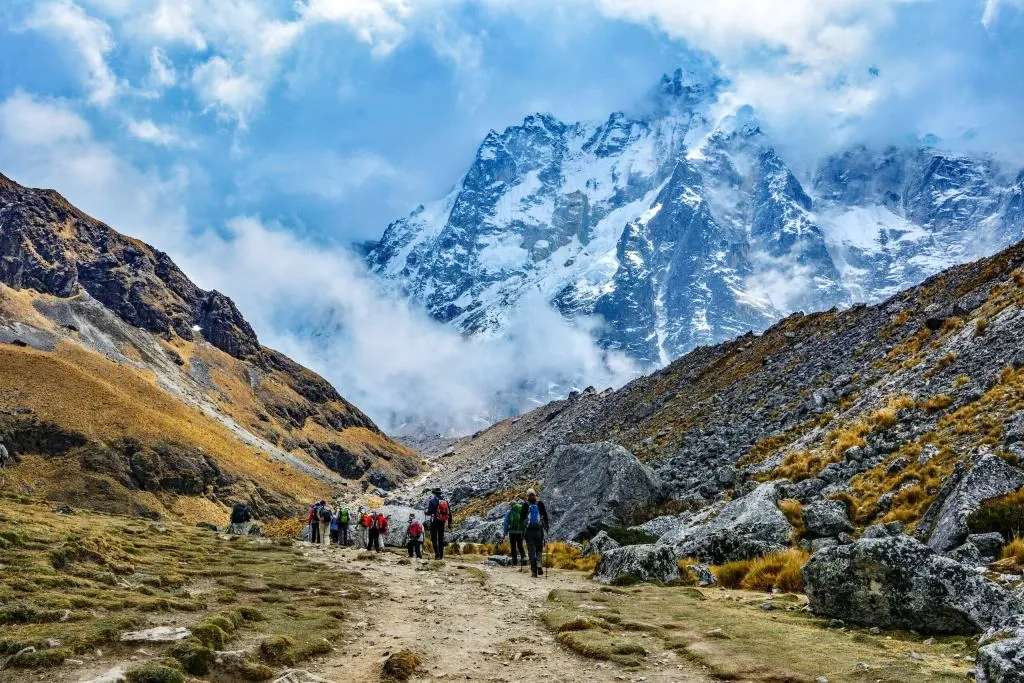
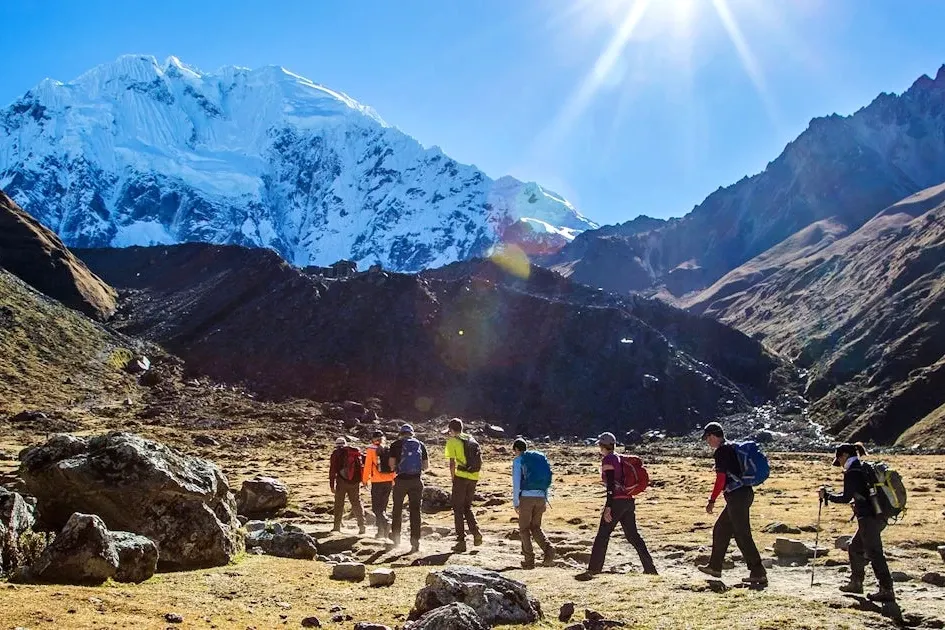
The Lares Trek demands physical stamina. It’s a test of one’s endurance. Assess your fitness level honestly before committing.
Hiking for hours requires cardiovascular health. Long walks should form part of your preparation. Add elevation to simulate the trail’s demands. Strength training is equally crucial. Your legs must carry you over high passes. Work on building core and leg strength.
Consider the weight of your pack. You’ll need to manage it comfortably. Practice hikes with a loaded backpack are advisable.
Balance and agility often go overlooked. The trail’s uneven terrain demands both. Incorporate balance exercises into your routine. Flexibility can prevent injuries. Stretch daily to improve this. Yoga or pilates can be beneficial practices to start.
Mental fitness plays a role. The trek is as much mental as physical. Build up your mental endurance with challenging activities.
It’s not a race; pacing is essential. Learn to listen to your body’s signals. It will guide you when to push and rest.
Training should mimic the trek’s conditions. Include back-to-back long hikes in your regimen. It prepares you for consecutive days of walking.
If the Lares Trek seems daunting, start smaller. Take shorter hikes that gradually increase in difficulty. It’s about building up to the challenge.
Remember to rest. Recovery days are important. They allow your muscles to heal and grow stronger. Hydration and nutrition also impact your fitness. Drink plenty of water and eat balanced meals. Your energy depends on it.
Are you ready for an adventure that tests your limits? Consider taking a Lares Trek to Machu Picchu. For a different challenge, choose a Salkantay Trek to Machu Picchu.
Both promise unforgettable experiences and breathtaking views. Assess your fitness, prepare thoroughly, and embrace the journey.