


 EN
EN ES
ES FR
FRThe Inca Empire, one of the largest and most advanced in pre-Columbian America, was not only notable for its architecture and political organization, but also for its profound spirituality.
At the center of their worldview were the Inca gods, powerful beings who guided the destiny of humanity, influenced nature, and were honored through complex rituals.
The worldview of the Inca gods: between the Sun and the Earth
The Incas believed in a tripartite universe: Hanan Pacha (upper world), Kay Pacha (phyiscal world), and Uku Pacha (underworld). Each of these planes was inhabited by deities who influenced all aspects of life.
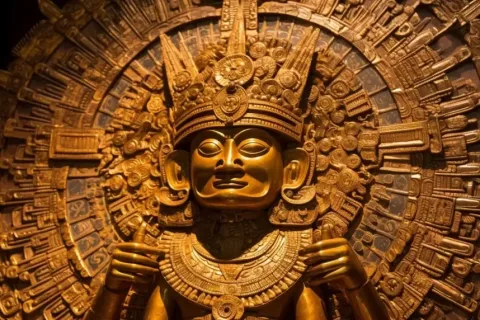
- Inti, the God of the Sun: Father of the Inca and a central figure in the religion. His temple, the Qorikancha in Cusco, was one of the most sacred ceremonial centers.
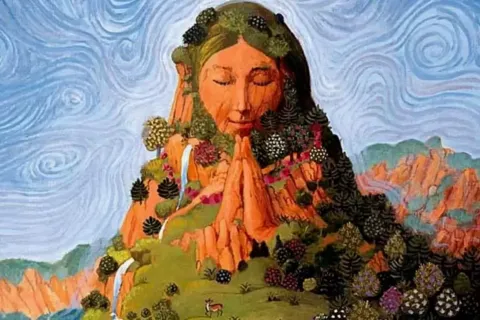
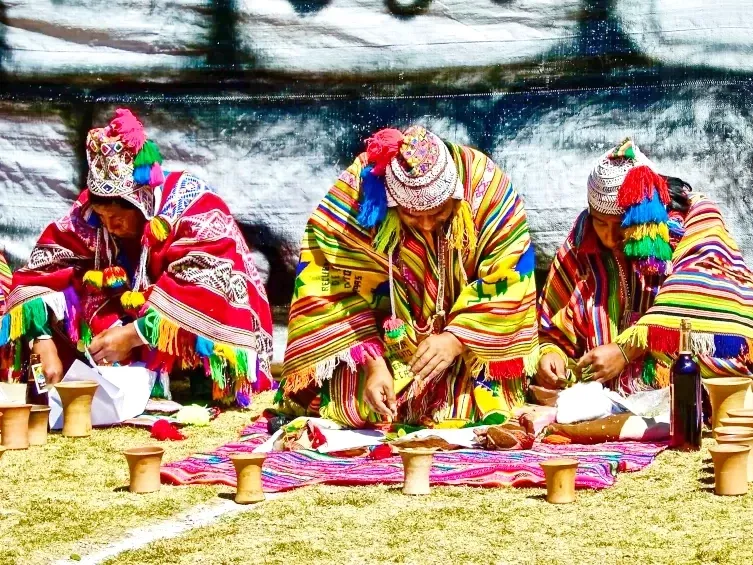
- Pachamama, Mother Earth: She represents fertility, agriculture, and the cycle of life. Offerings of food, coca leaves, and chicha were made to her.
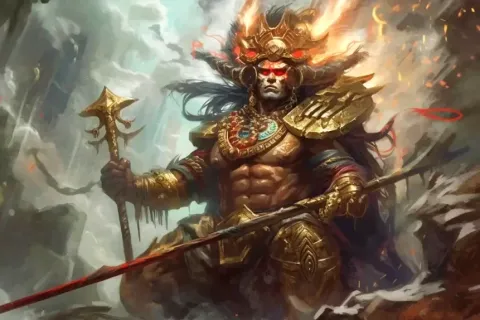
- Illapa, the God of lightning and rain: Protector of crops and feared for his destructive power.
Rituals and Festivities: Connection with the Divine
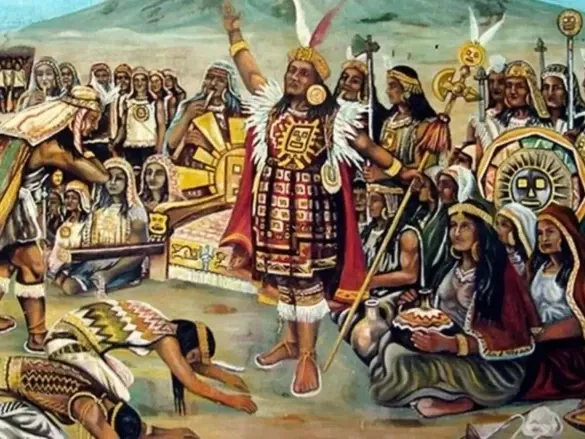
Inca rituals were not simple ceremonies: they were sacred acts laden with symbolism. Among the best known is the Sun Festival, a celebration of the winter solstice in June that honored Inti with dances, music and sacrifices.
- Capacocha: Ritual of human offering performed in times of crisis or important events.
- Dispatches: Offering packages buried to ask for favors or to thank Pachamama.
Temples and Sacred Places: Spiritual Architecture
Each Inca city had a spiritual center, one of which is Machu Picchu. In addition to being an architectural marvel, it is considered a religious sanctuary with astronomical alignments and temples such as the Temple of the Sun and the Sacred Rock.
Other sacred sites include:
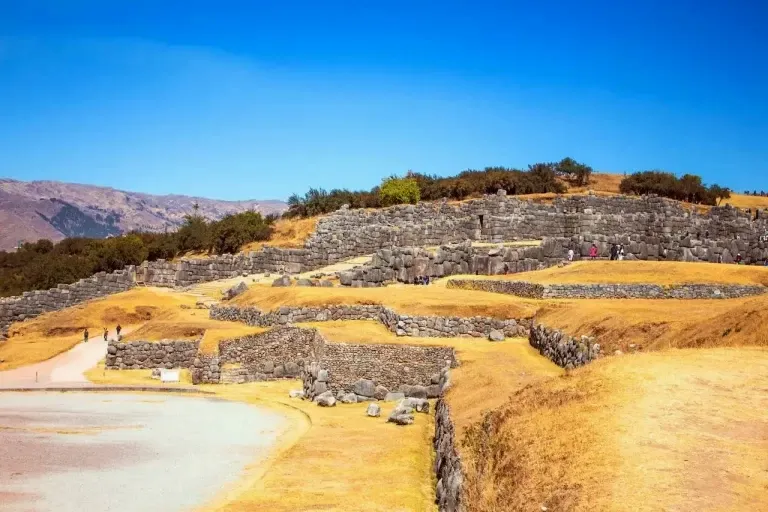
- Sacsayhuaman: Ceremonial fortress in Cusco.
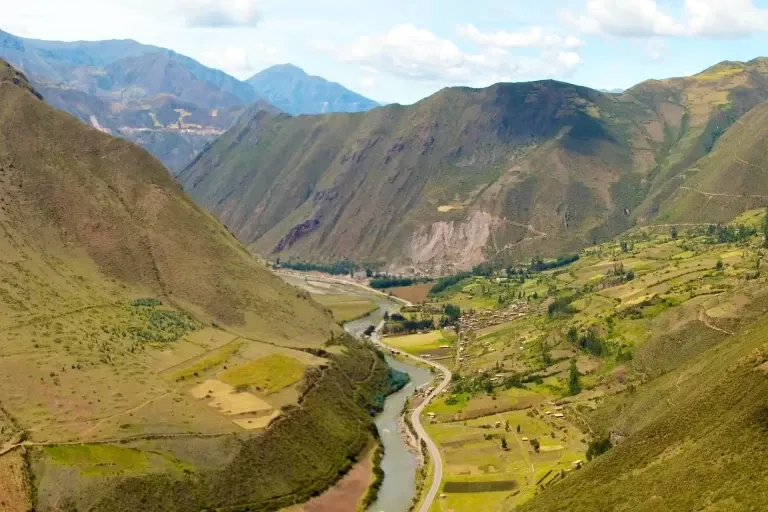
- Vilcanota: Sacred river related to the cycle of life and death.
Living Heritage: The Legacy of the Inca Gods Today
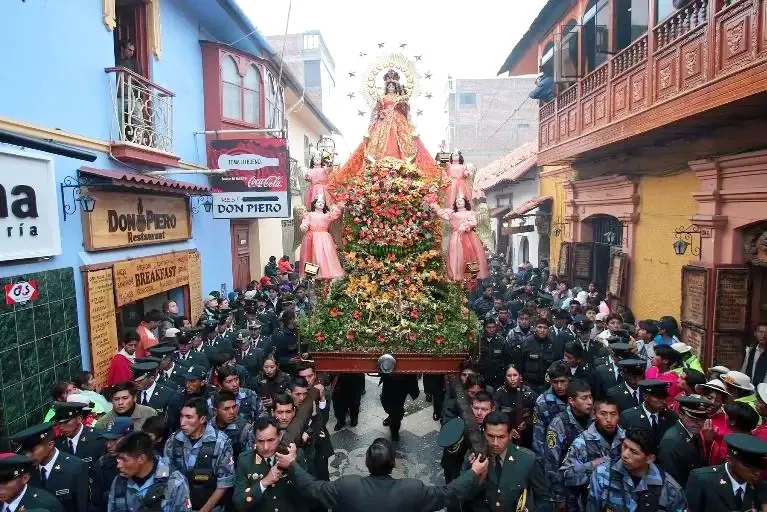
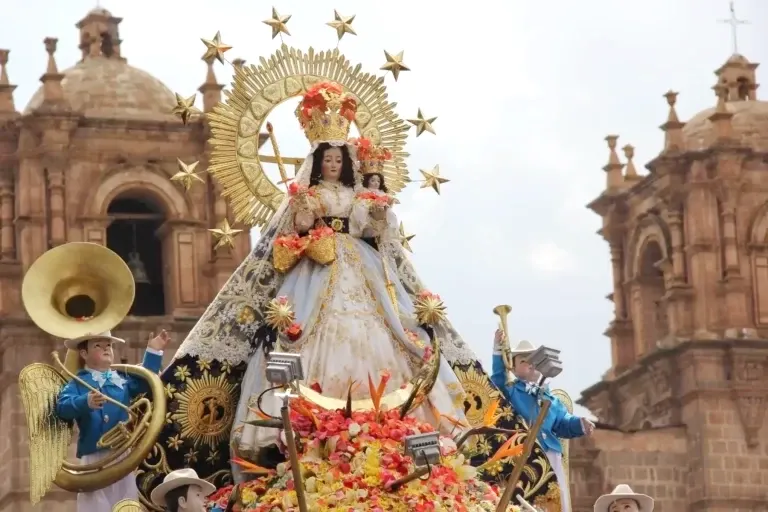
Despite the Spanish conquest, many Inca beliefs and rituals have survived, merging with Catholicism. Festivals such as the Feast of the Virgin of Candelaria in Puno preserve original Andean elements. Furthermore, in Quechua and Aymara communities of the Peruvian highlands, the Pachamama remains central to daily life.
Conclusion: An Empire Guided by the Sacred
The Inca gods not only explained the universe but also guided the daily lives of the people. Understanding their beliefs connects us with an ancient spirituality that continues to beat at the heart of modern Peru.