


 EN
EN ES
ES FR
FRThe Inca Empire, or Tahuantinsuyu, was one of the most powerful and sophisticated civilizations in pre-Hispanic America. Its political center, Cusco, was the cradle of an organized society, with advanced knowledge in agriculture, architecture, astronomy, and administration.
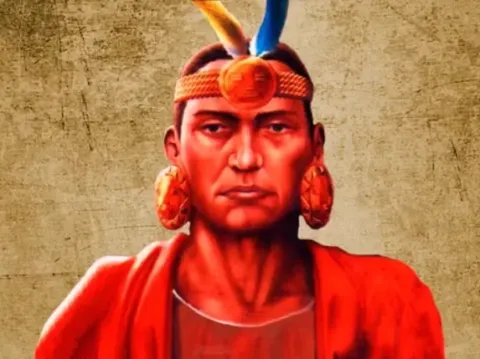
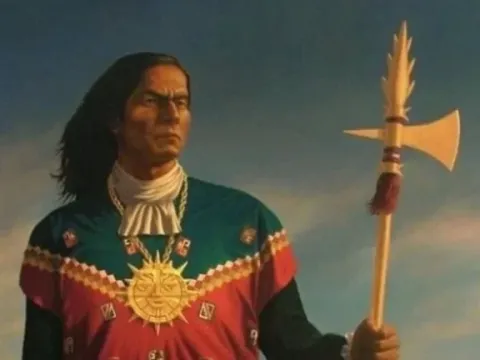
But behind this great empire were its leaders: the Inca rulers, known as Sapan Inca, who consolidated, expanded and defended the Andean territory for more than three centuries.
The following is a chronological overview of all the Inca rulers, explaining their historical context, their most important achievements, and how their legacy lives on in Andean culture today.
Inca Rulers in Chronological Order
1.- Manco Capac
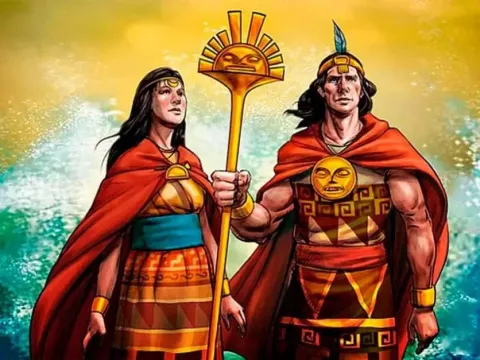
Considered the first Inca according to mythology, Manco Capac was sent by the Sun God to civilize the Andean people. He founded the city of Cusco and established the first social and religious norms. Although there is no archaeological evidence proving his actual existence, his figure holds a profound symbolic value in Andean identity.
2.- Sinchi Roca
Son of Manco Capac. His reign was more administrative than expansive. He implemented the first genealogical records and organized the Inca nobility. He is credited with institutionalizing the Inca nobility.
3.- Lloque Yupanqui
He wasn’t a conqueror, but he did strengthen central power. His leadership was characterized by consolidating royal authority and fostering urban development in Cusco.
4.- Mayta Capac
The first Inca to undertake significant military action. He began territorial expansion into nearby regions, laying the foundation for future growth.
5.- Capac Yupanqui
Extended Inca rule beyond the Cusco Valley. He was a skilled military leader, making him the first conquering emperor of the Inca Empire.
6.- Inca Roca
Remembered for his dedication to education. He founded the Escuela, the first public school for the children of the nobility. He also expanded the territory to the south.
7.- Yahuar Huacac
His name means “he who cries blood,” after a legend in which he was kidnapped as a child. His reign suffered instability, but he managed to regain the throne and maintain control.
8.- Viracocha Inca
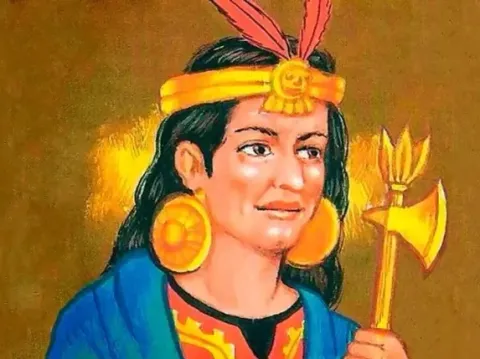
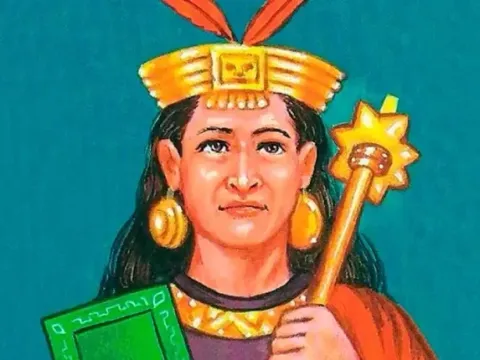
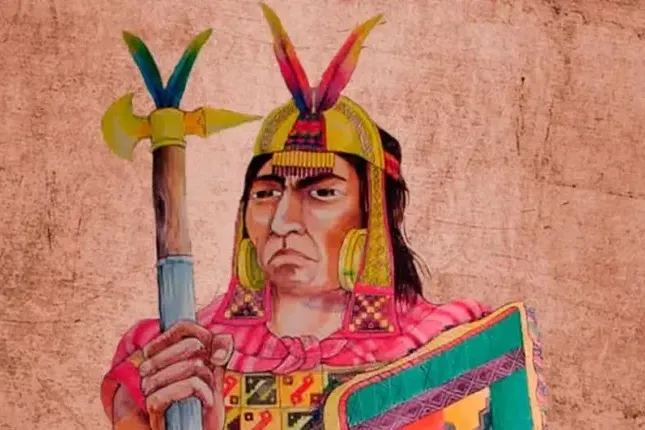
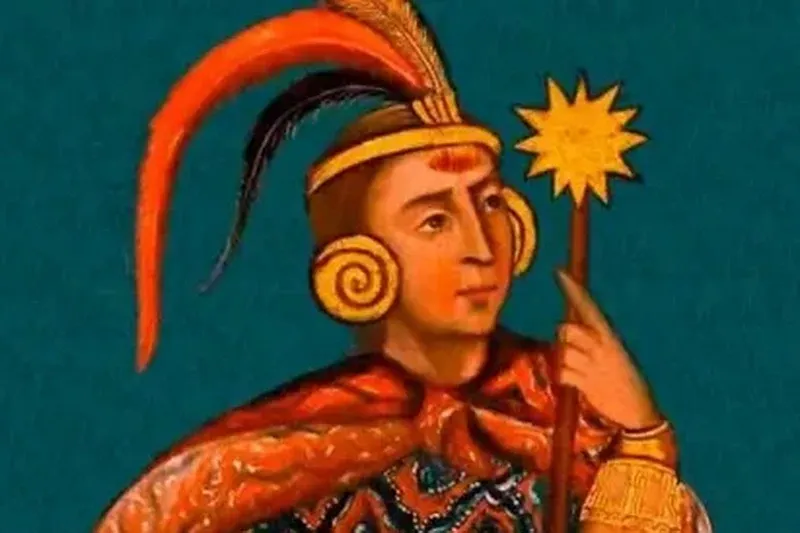
He attempted to confront the Chancas, but withdrew, ceding power to his son. This withdrawal allowed for the emergence of one of the greatest leaders of the Tahuantinsuyu.
The Height of the Inca Empire: Expansion and Consolidation
9.- Pachacutec (1438–1471 AD)
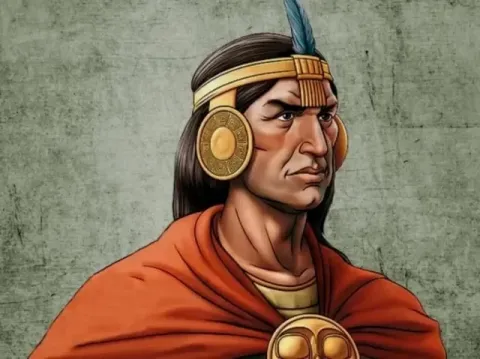
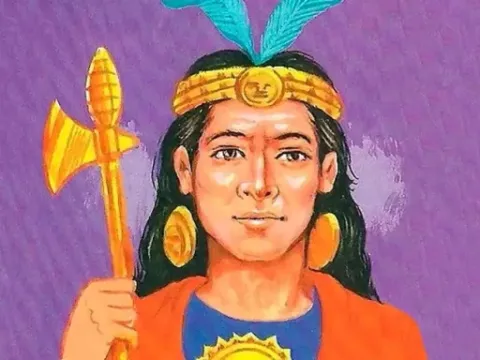
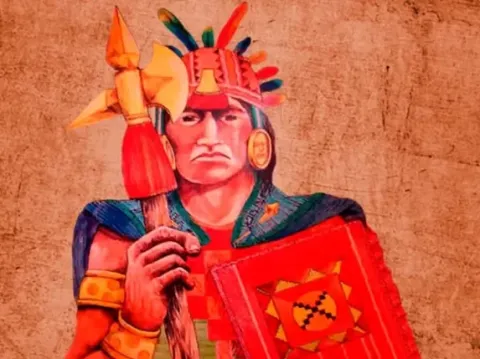
Architect of the Inca Empire. He reorganized the kingdom in the Tahuantinsuyu, divided the empire into four, and established a network of roads that connected the entire territory. He ordered the construction of Machu Picchu and transformed Cusco into an imperial city.
10.- Tupac Yupanqui (1471–1493 AD)
This Inca ruler continued the empire's expansion into present-day Bolivia, Argentina, Ecuador, and parts of Chile. According to some accounts, he even sailed to the Pacific islands. He was a skilled administrator and warrior.
11.- Huayna Cápac (1493–1527 AD)
He ruled the empire at its peak. He died of an epidemic (probably smallpox), leaving a disputed succession between his sons, Atahualpa and Huáscar, which sparked a devastating civil war.
Decline and End of the Empire
12.- Huáscar (1527–1532 AD)
Appointed heir in Cusco, his reign was marked by conflict with his half-brother Atahualpa. This fratricidal war severely weakened the empire just before the arrival of the Spanish.
13.- Atahualpa (1532–1533 AD)
He defeated Huáscar but was captured by Francisco Pizarro. Although he offered the famous “ransom of Atahualpa” composed of gold and silver, he was executed in Cajamarca, marking the end of effective Inca rule.
14.- Túpac Amaru I (1571–1572 AD)
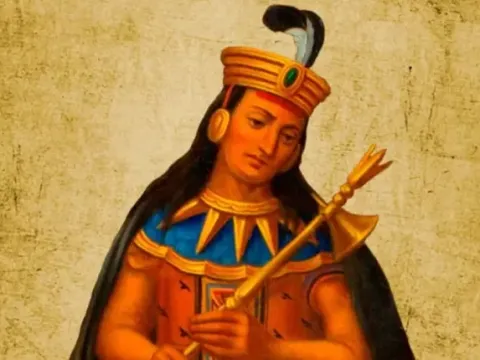
Last leader of the Inca state in Vilcabamba, a bastion of resistance against Spanish rule. He was captured and beheaded by the colonial authorities. His figure would later inspire the independence movement led by Túpac Amaru II.
Legacy of the Inca Rulers
- Advanced organization: From the system of families to the road network (The Rich Way), the Incas left social and physical structures that are still being studied.
- Efficient agricultural system: Terraces, irrigation canals and Andean climate management were developed to feed millions.
- Language and culture: Quechua is still in use, and many Andean customs and festivities are inspired by the Inca legacy.
- Impressive architecture: Machu Picchu, Sacsayhuaman and Ollantaytambo are examples of their precision and engineering.