


 EN
EN ES
ES FR
FRTipping is the question travellers ask us most often and the one guidebooks answer worst. In Peru it is not obligatory, but on a trek it is expected, and the difference matters.
The confusion is understandable. A restaurant in Lima and a four-day trek crew in the Andes work under completely different conventions.
This guide sets out who to tip, roughly how much, in what currency and at what moment. Figures are given as ranges because they change with group size and season. Reviewed August 2026.
The short answer
Tipping is voluntary everywhere in Peru and no service will be refused if you do not tip.
On treks, however, tipping is part of how the crew is paid on top of their wage, and skipping it is noticed.
In cities, tipping is much more casual and smaller in scale, closer to European habits than to North American ones.
Always tip in soles rather than foreign currency. Small notes are more useful than one large one, since crews split the money on the spot.
Trek crews: the part that really matters
On the Inca Trail, Salkantay, Lares or Ausangate, your crew normally includes a guide, an assistant guide on larger groups, a cook and porters or horsemen.
The tip is usually collected as a group on the last evening and handed over in a short ceremony where the crew is introduced by name.
A common approach is for each traveller to contribute a similar amount, which is then divided between the crew, with the guide and cook receiving a share of their own.
As a rough guide, travellers on a four-day trek typically contribute somewhere between 100 and 200 soles per person for the whole crew, more if the group is small.
The cook deserves particular mention: cooking three courses at 4,000 metres in a tent is harder than it looks, and cooks are often under-tipped.
Porters carry the camp, not your goodwill. If somebody carried your duffel, a direct handshake and a note is the clearest way to say thank you.
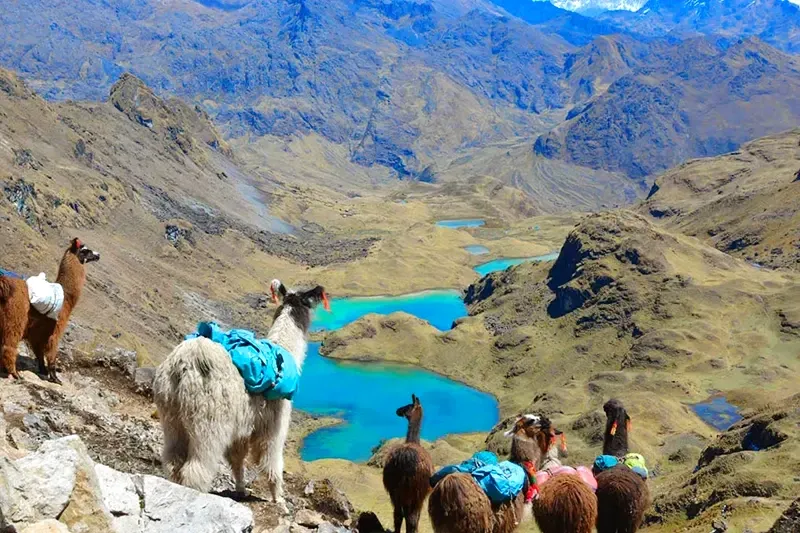
Day tours, city guides and drivers
On a full-day tour, a tip of around 20 to 50 soles per traveller for the guide is a normal gesture if you enjoyed the day.
Drivers are usually tipped separately and less, often 10 to 20 soles, handed over at the end of the day.
On a half-day city tour, smaller amounts are perfectly acceptable. Nobody expects the same as on a multi-day trek.
If a guide gave you something extra, such as arranging a doctor or fixing a ticket problem, it is normal to recognise that separately.
Restaurants, cafés and bars
In ordinary restaurants, rounding up or leaving around 10 per cent is generous and welcome, but not obligatory.
Check the bill first: upmarket restaurants sometimes add a service charge, in which case an extra tip is optional.
In markets and small local eateries, tipping is not customary at all, and rounding to the nearest sol is enough.
In bars and cafés, leaving the coins from your change is the usual practice.
Hotels, transfers and everyday situations
For hotel staff who carry bags, 5 to 10 soles is a normal gesture; for housekeeping, a similar amount left at the end of the stay.
Airport and station transfer drivers are usually tipped a few soles, particularly if they helped with luggage.
Nobody tips taxi drivers in Peru: the fare is agreed in advance and that is the end of it.
At the Rainbow Mountain or on horseback sections, the horsemen are paid a fixed price agreed beforehand, and a small extra is appreciated but not expected.
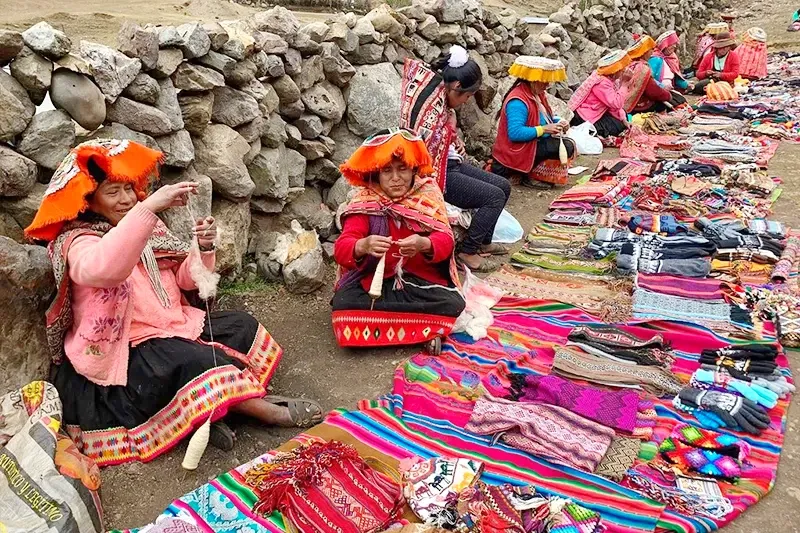
Practical rules that make it easier
Withdraw cash in Cusco before the trek. There are no cash machines after Km 82 and none at all in most trek areas.
Ask for small denominations at the bank. Trying to split a 200-sol note between eight people at 4,000 metres does not work.
Keep tip money separate from spending money, in a dry bag inside your daypack rather than in the duffel.
If you are travelling in a group, agree the amount among yourselves before the last night. It avoids awkwardness in the moment.
And tip in person where you can. Handing money to somebody directly, with their name, is worth more than an envelope passed along.
What matters beyond the money
Peruvian law regulates porter loads and minimum pay on the Inca Trail, and reputable operators comply with it. Choosing one of those is a bigger contribution than any tip.
Ask your operator how the tip is distributed. A straight answer is a good sign; evasiveness is not.
Learning two words of Quechua for the final evening, such as yupaychani for thank you, lands better than any amount of money.
Tipping in Peru is not a tax on tourists. It is a way of recognising work that is genuinely hard, done at altitude, often by people from the communities you have just walked through.