


 EN
EN ES
ES FR
FRTraditional Peruvian dishes are world-famous for their fusion of flavors, native ingredients, and ancient traditions. However, behind every emblematic Peruvian dish, there is a drink that complements, balances, or enhances that culinary experience.
From festive cocktails to ancestral infusions, Peruvian traditional drinks offer a unique window into Machu Picchu and the history and culture of the country. Today we present the most representative ones and how each can enrich your gastronomic journey.
Pisco Sour: The King of Peruvian Cocktails
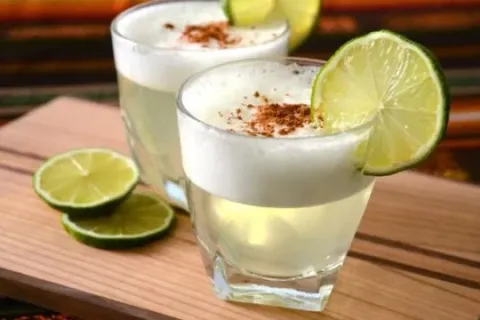
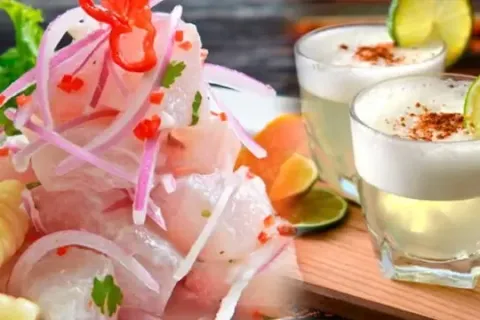
One cannot talk about traditional Peruvian drinks without mentioning the Pisco Sour, internationally recognized as the national cocktail. This drink is a harmonious blend of pisco (grape brandy), lemon juice, simple syrup, egg white, and a few drops of Angostura bitters.
What many don’t know is that this cocktail has Creole roots and its evolution dates back to the 1920s in Lima. Ideal for accompanying appetizers like classic ceviche, Pisco Sour provides acidity and freshness that cleanses the palate and enhances marine flavors.
Chicha Morada: Sweet Heritage of the Andes
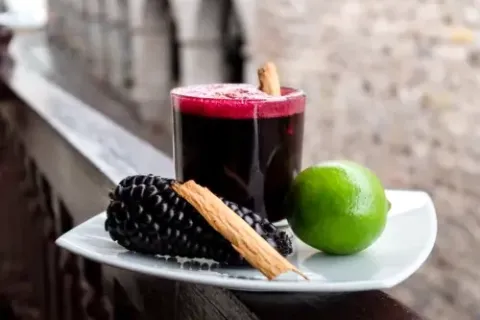
Chicha morada is more than a non-alcoholic drink; it is a symbol of cultural identity. Made with purple corn boiled with pineapple, cinnamon, and cloves, this drink offers a sweet, spiced, and deeply aromatic flavor.
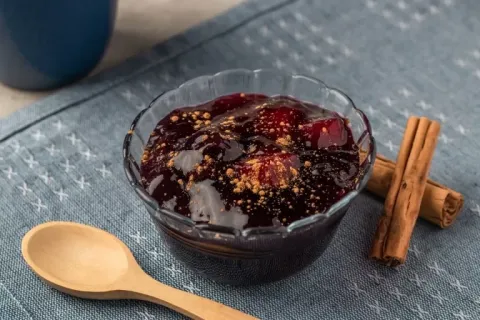
The fascinating thing about chicha morada is its versatility: it accompanies everything from Creole dishes like arroz con pollo to sweets like mazamorra morada, with which it forms a classic duo. Furthermore, modern studies highlight its antioxidant properties.
Inca Kola: The Refreshment that Defeated Coca-Cola
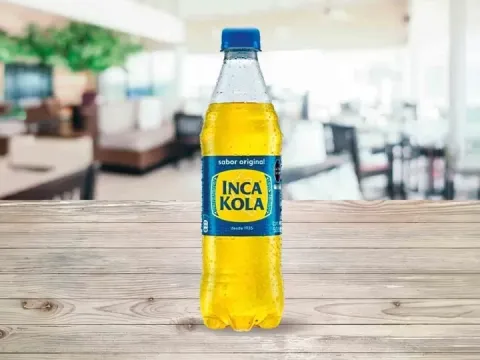
Although it may seem incredible, Peru is one of the few countries where Coca-Cola does not lead the soda market. The credit goes to Inca Kola, a bright yellow carbonated drink with a banana bubblegum flavor.
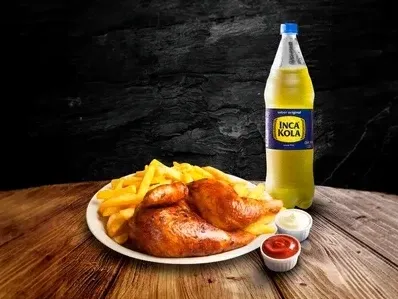
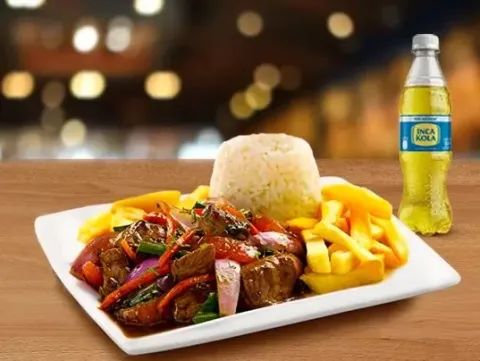
Created in 1935, this drink is a source of national pride. It pairs especially well with savory and fatty dishes such as pollo a la brasa or lomo saltado, thanks to its sweetness that balances the umami of the food.
Chicha de Jora: The Elixir of the Incas
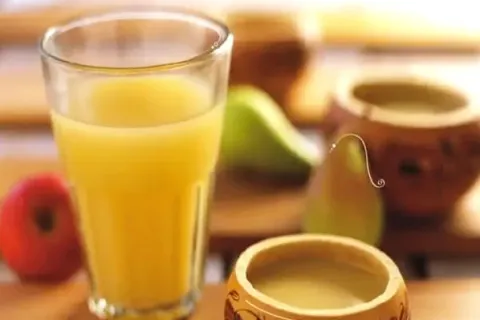
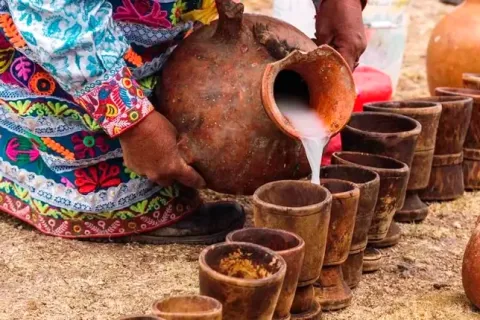
Unlike its purple counterpart, chicha de jora is a fermented drink, with a slight alcoholic content. It is made from germinated yellow corn, and its origin dates back to the Inca Empire.
It is typical of rural celebrations and traditional festivities in the highlands of Peru. Its earthy and slightly acidic flavor makes it ideal for pairing with grilled meats or dishes like cuy chactado.
Mate de Coca: Ancestral Energy in a Cup
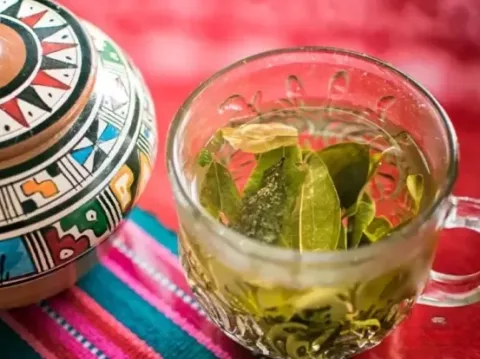
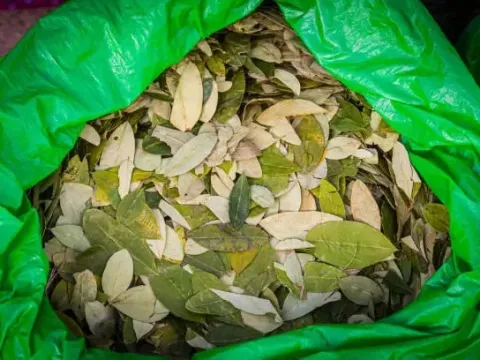
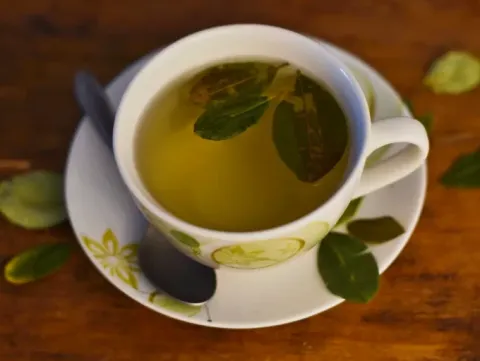
Originating from the Andes, mate de coca is an infusion made with dried coca leaves. In the high Andean regions, people drink it daily to alleviate altitude sickness, improve digestion, and provide natural energy.
Despite controversy abroad over its origin, in Peru, it is considered a medicinal and cultural practice. Its herbal flavor is perfect for the end of a heavy meal.
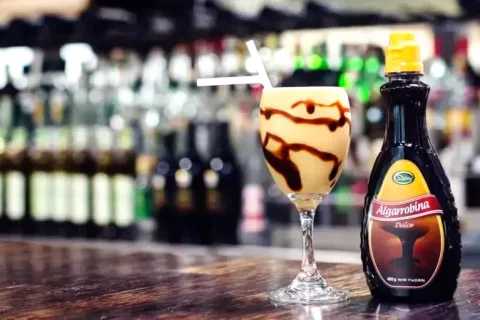
Algarrobina Cocktail: Sweet Tradition of the North
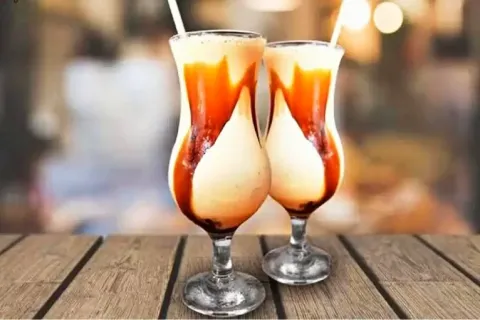
This cocktail combines carob syrup, evaporated milk, egg, and pisco, resulting in a sweet, energetic, and creamy drink. Common on Peru’s northern coast, it is typically enjoyed as a liquid dessert or digestif.
Its flavor resembles a milkshake with toasted notes, and its texture is smooth. It is frequently presented at family gatherings or as a sophisticated conclusion to a traditional meal.
Other Regional Drinks You Must Try
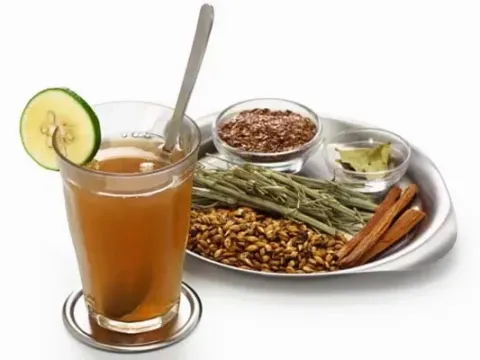
- Emoliente (Lima): hot herbal drink with flaxseed, barley, and herbs.
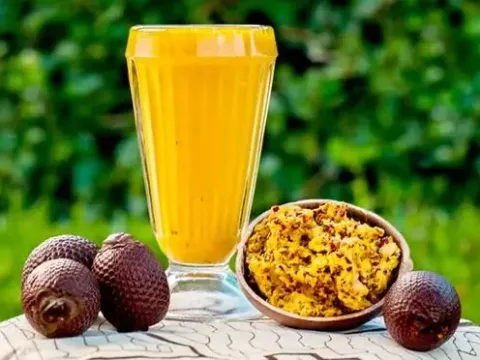
- Aguajina (jungle): aguaje juice, an Amazonian fruit rich in phytoestrogens.
- Camote Sour (variation of Pisco Sour with sweet potato): modern and sophisticated.
Conclusion
Peru’s identity can be savored in its food and its beverages. Each drink mentioned is an essential part of the country’s gastronomic culture. Whether you travel to Peru or cook a typical dish at home, accompany it with one of these traditional drinks to live the complete experience.