

 EN
EN ES
ES FR
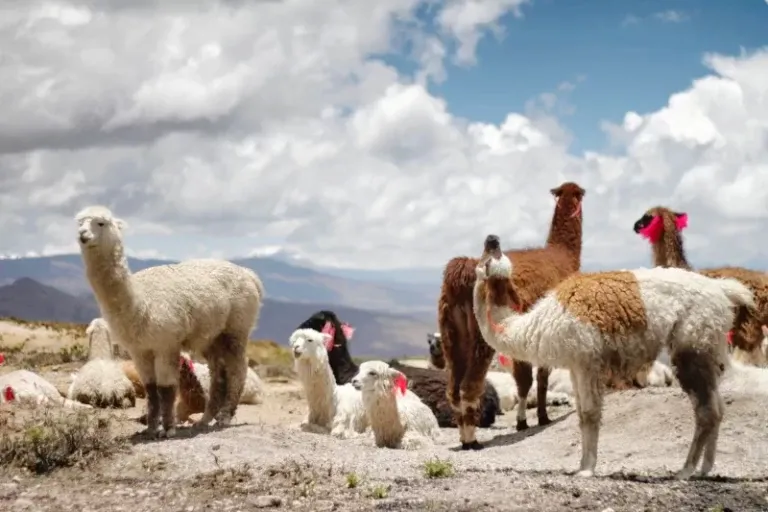
FRLlamas have long graced the landscapes of Peru in South America. These creatures are more than mere livestock to the Peruvian people. They’re symbols of heritage and pride.
Steeped in history, llamas have woven themselves into Peruvian tales and rituals. These animals have influenced daily life, arts, and ceremonies. Their impact is vast, touching various facets of Peruvian culture.
This article delves deep into the cultural significance of these majestic animals. It unveils their role in traditions that span centuries. Join us in exploring the fascinating relationship between Peruvians and their beloved llamas.
Llamas: Living symbols of Andean Heritage
Peruvian llamas are more than just animals. They’re vital pieces of Andean heritage, intertwined with local history and customs. These elegant creatures roam the highlands, showcasing their significance.
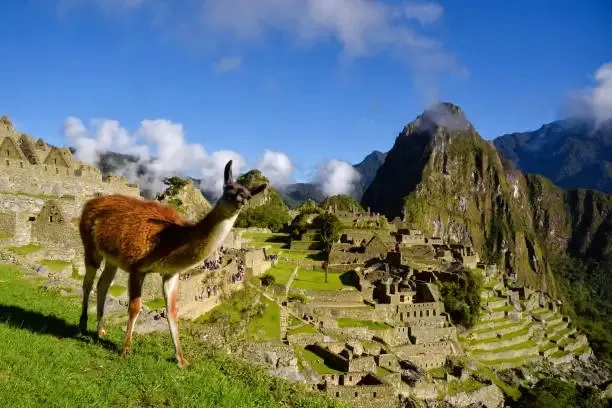
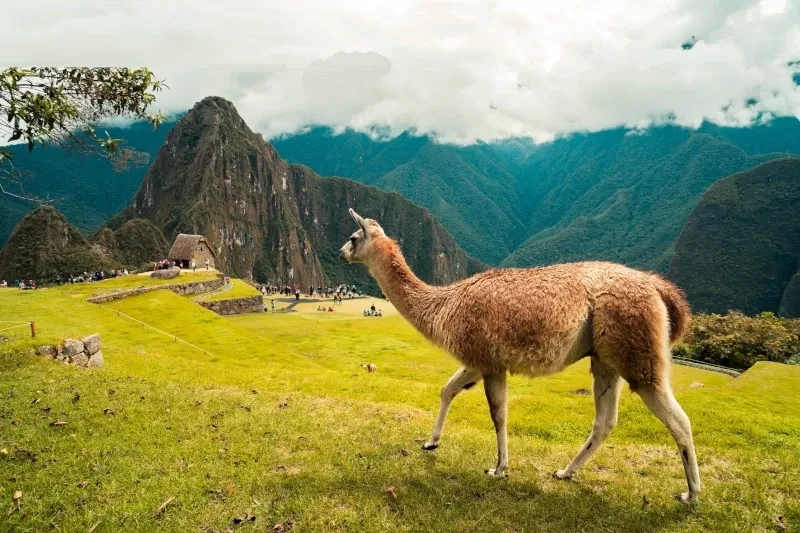
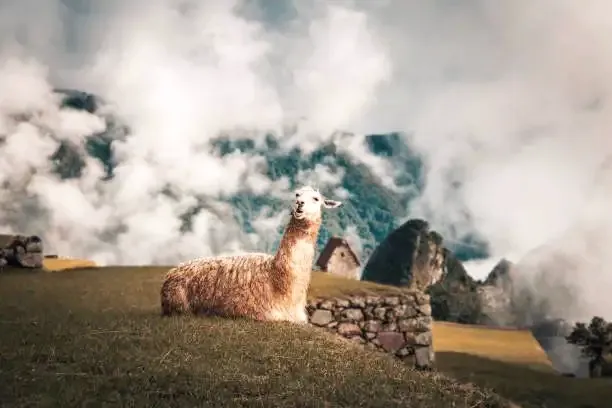
Peruvian Llamas aren’t the only iconic animals of the region. Many tourists spot various animals in Machu Picchu. However, llamas, with their poised stature, are unmistakably the most photographed. Their presence in this ancient citadel further underlines their cultural importance.
Peruvian llamas are more than just charming sights for tourists. They’re living testimonials to the rich Andean past. They represent resilience and cultural wealth.
The Historical Significance of Llamas in Peru
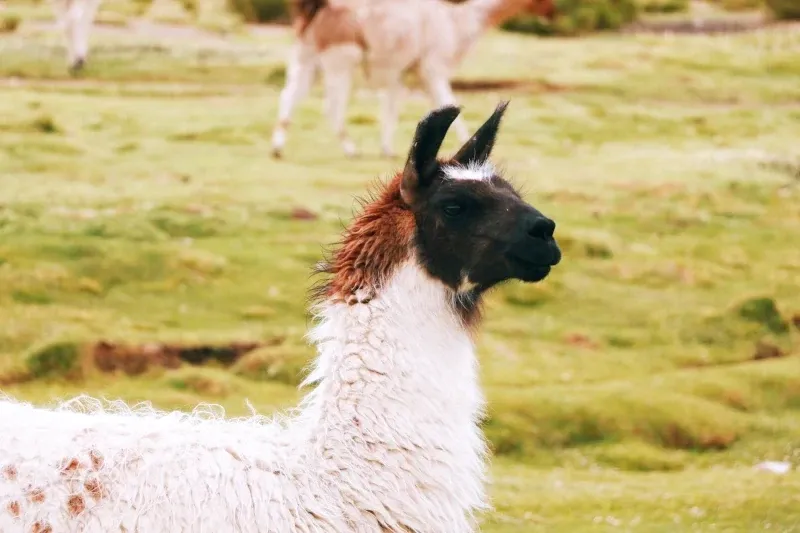
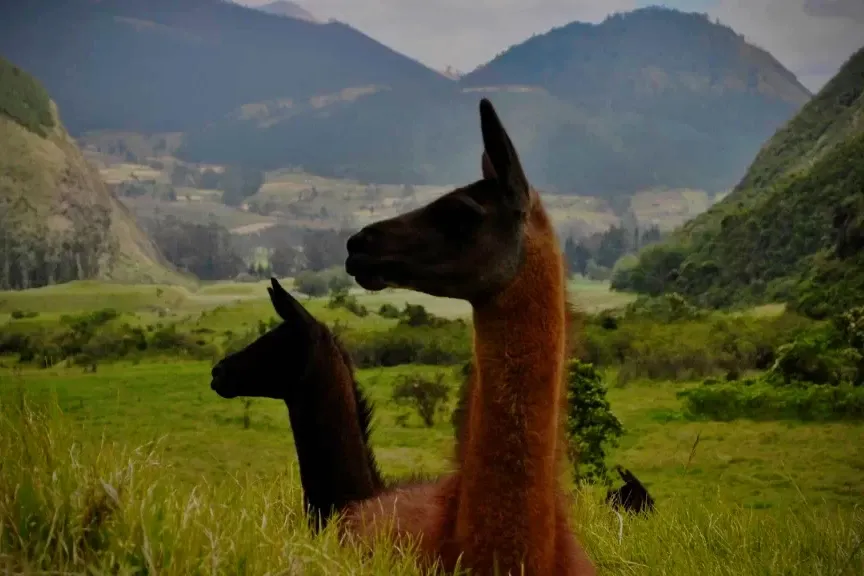
Peruvian llamas have always been more than just animals in Peru. Their historical significance is deeply rooted in ancient traditions. Llamas have witnessed centuries of cultural evolution in this region.
In ancient times, Peruvian llamas served as primary beasts of burden. They carried goods across the challenging terrains of the Andes. One cannot mention their historical contribution without referencing the Inca Trail to Machu Picchu. These animals transported supplies, aiding the growth of the Incan empire.
Peruvian rituals and traditions also prominently feature these animals. Llamas were integral to many ceremonies. They often symbolized prosperity, gratitude, and the interplay between humans and nature.The agricultural importance of Peruvian llamas can’t be ignored. Their manure served as a crucial organic fertilizer for the fields. This ensured the fertile grounds remained productive year after year.
Moreover, their wool provided warmth during the chilly Andean nights. Their meat, rich in protein, fed many Peruvian families, ensuring their survival in harsh conditions.
Today, the presence of Peruvian llamas reminds us of their undeniable role in shaping Peruvian history. Every gaze they cast, every step they take is a living testament to their enduring influence. While modernization continues, the bond between Peruvians and their llamas remains unbreakable.
The tapestry of Peruvian history is incomplete without its llamas. These animals have been companions, workers, and symbols of cultural pride. Their intertwined existence with Peruvians showcases the profound relationships humans can share with nature.
Cultural Practices and Rituals Involving Llamas in Peru
Llamas have long been central to Peruvian culture. Their involvement in rituals and practices showcases their profound importance. They are not just livestock; they’re cultural symbols.
Here, llamas are a gift to sacred places or Apus during ceremonies. This act symbolizes the spiritual connection between the Andes and its inhabitants.
Another key ritual is the “Pachamama” offering. Pachamama, the Earth Goddess, is believed to be appeased by offerings. At times, llamas serve as sacrificial beings in these ceremonies, ensuring fertility and good harvests.
Also, during the “Inti Raymi” festival, honoring the Sun God, llamas play a role. Their wool, meat, and presence form part of the grand celebrations.
Llamas also participate in weddings and births. They bring blessings, prosperity, and protection to new beginnings. Their presence signifies good luck and bodes well for the future. Moreover, in folklore and tales, llamas frequently appear.
Consider the experience of these rituals and the role of llamas and alpacas firsthand. A journey through the Lares Trek to Machu Picchu offers this opportunity. Or, a Short Inca Trail can immerse you in this world. These treks not only showcase nature’s beauty but also introduce travelers to age-old traditions. Come and witness the majestic llamas in their cultural splendor.